
Plant · GBIF taxon 3021850
Wild Black Cherry
Prunus serotinaAlso known as Black Cherry, Rum Cherry, Mountain Black Cherry, Wild Cherry
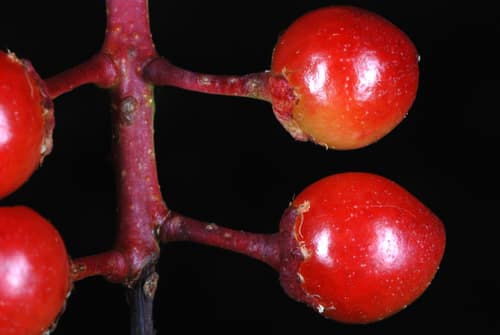
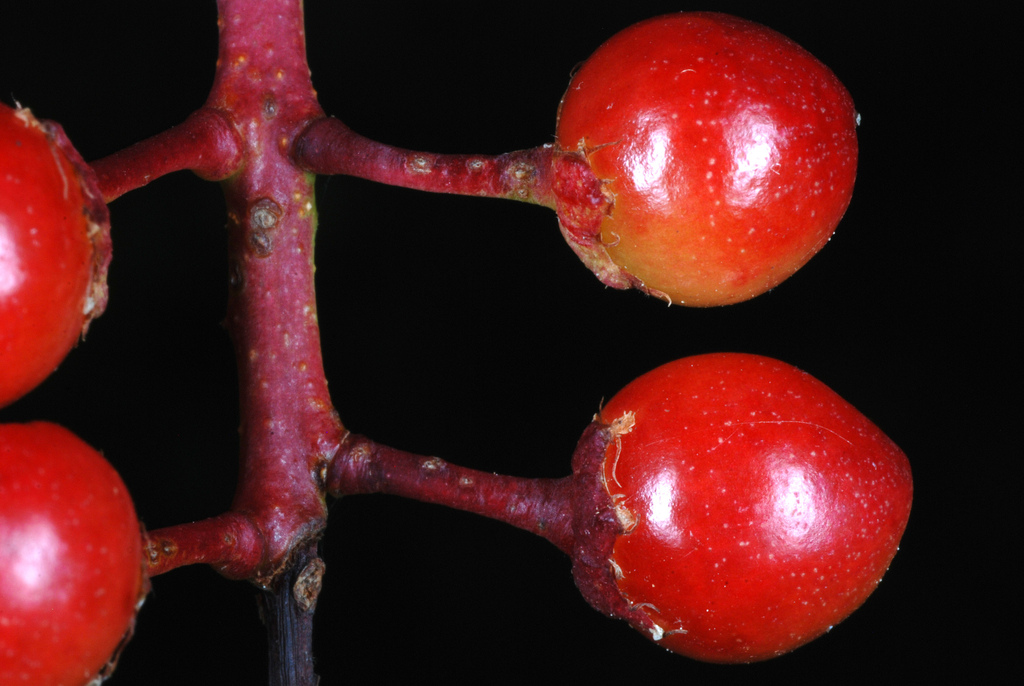
Wild black cherries form high canopy trees in eastern North American hardwood forests, distinguished by mature bark that breaks into dark, burnt cornflake scales. Long racemes of small white flowers bloom in spring, transforming into pendulous clusters of dark purple drupes that sustain dozens of bird species through late summer. Wilted foliage and seeds contain cyanogenic compounds that make them hazardous to browsing livestock and pets.
DeciduousTreeNative
 1 / 7
1 / 7—observations
—countries
—peak records
Least ConcernConservation statusIUCN Red List categoriesLCNTVUENCREWEXLeast ConcernRed List categories, explained →
Diet & prey
- Autotrophic (photosynthesis)
Predators
- Eastern Tent Caterpillar
- Black Knot Fungus
- White-Tailed Deer
ThreatsBlack knot fungus, forest fragmentation, invasive insects
HabitatsDeciduous forests, woodland edges, abandoned fields
Life span100–250 years
Size / weightNot available
Classification
- OrderRosales
- FamilyRosaceae
- GenusPrunus
- SpeciesPrunus serotina
Range data is not available yet.
Interaction riskHigh
- Low
- Moderate
- High
- Very high
- Why interaction risk is high
- Foliage and seeds contain cyanide precursors; wild berries have toxic look-alikes, so do not ingest.
- Why it is dangerous
- Leaves, twigs, and seeds contain prunasin, a cyanogenic glycoside that breaks down into toxic hydrogen cyanide when chewed or wilted.
- How to recognize a risky encounter
- Recognized by mature bark resembling dark cornflakes, pendulous white spring flower racemes, and dark purple fruit clusters.
- What to do
- Avoid consuming wild fruits or allowing pets and livestock to chew branches, twigs, or wilted leaves.
Responsible observation
- Bark Identification: Look for mature bark resembling dark, burnt cornflakes with reddish undertones on younger stems.
- Wildlife Viewing: Watch for migrating songbirds feeding on dark clusters of ripening drupes in late summer.
- Pet Safety: Keep livestock and pets away from fallen, wilted foliage that concentrates cyanide compounds.
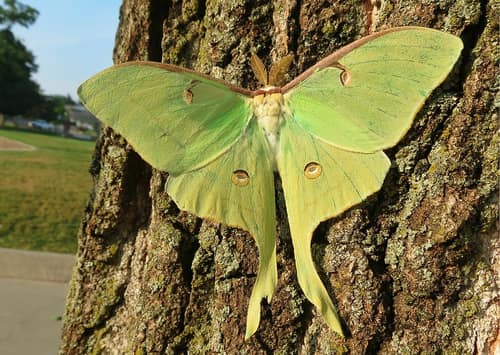
Host Plant "Lovely luna moth at the Neosho National Fish Hatchery" by U.S. Fish and Wildlife Service - Midwest Region is licensed under CC BY 2.0. To view a copy of this license, visit https://creativecommons.org/licenses/by/2.0/. · cc-by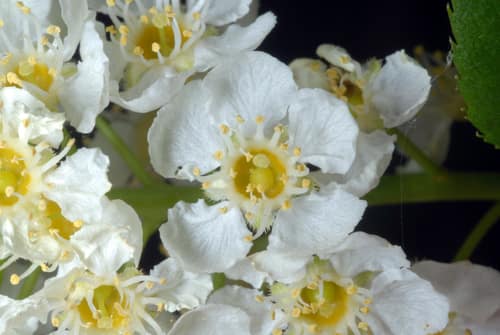
Close Relative (c) Douglas Goldman, some rights reserved (CC BY-SA), uploaded by Douglas Goldman · cc-by-sa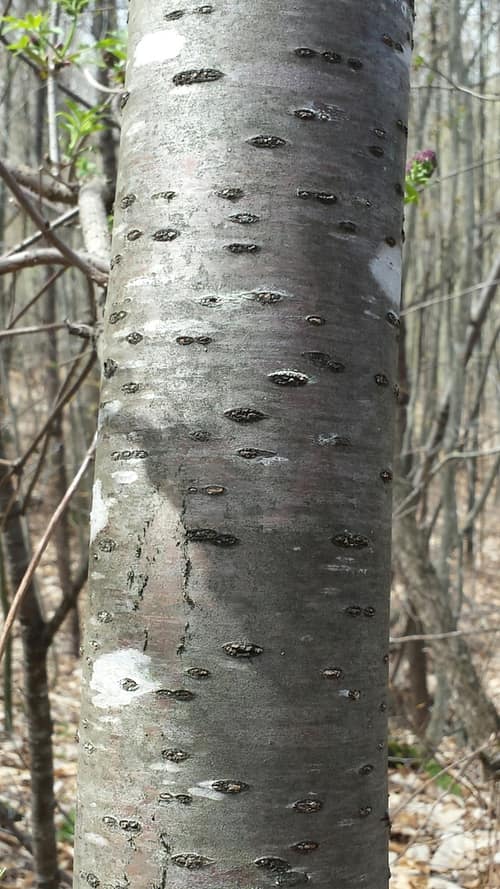
Close Relative (c) Tom Norton, some rights reserved (CC BY), uploaded by Tom Norton · cc-by
Help improve the field guideSomething wrong?
Checking your Fauna account…Report a name, category, or profile issue for review.