Also known as Wild Himalayan Cherry, Sour Cherry, Pahhiya, Bird Cherry
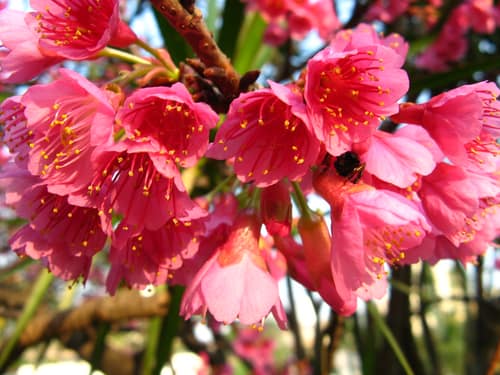
Wild Himalayan cherry blooms spectacularly during autumn and winter, painting mountainous slopes across South and Southeast Asia in shades of soft pink and white while surrounding broadleaf forests stand bare. The nectar-rich blossoms provide a critical midwinter food resource for altitudinal migrant birds, native honeybees, and fruit bats. Culturally revered across the Himalayas, its hard, finely grained wood is traditionally crafted into walking sticks and ceremonial objects.
ThreatsDeforestation, firewood harvesting, and habitat fragmentation
HabitatsMontane temperate forests, hillside ravines, and secondary woodlands
Life span50–100 years
Classification
FamilyRosaceae
SpeciesPrunus cerasoides
Range & activity
Range data is not available yet.
Safe observation
Interaction riskHigh
Low
Moderate
High
Very high
Why interaction risk is high
Seeds and foliage contain toxic cyanogenic glycosides; wild berries have toxic look-alikes, so never ingest wild fruit.
Why it is dangerous
Seeds, leaves, and bark contain cyanogenic glycosides that hydrolyze into toxic hydrogen cyanide when chewed, causing vomiting, dizziness, and respiratory failure in humans and pets.
How to recognize a risky encounter
Look for glossy reddish-brown peeling bark with prominent horizontal lenticels, paired nectar glands on leaf stalks, and clusters of pinkish five-petaled winter blossoms.
What to do
Admire flowers and foliage without picking; never chew seeds or stones, and keep pets from gnawing fallen twigs or prunings.
Responsible observation
Winter Viewing: Look for full flowering displays between October and December across higher elevations.
Bird Watching: Scan flowering canopies quietly for sunbirds and bulbuls seeking winter nectar.
Pet Safety: Prevent dogs and cats from chewing on fallen branches, foliage, or fruit stones.

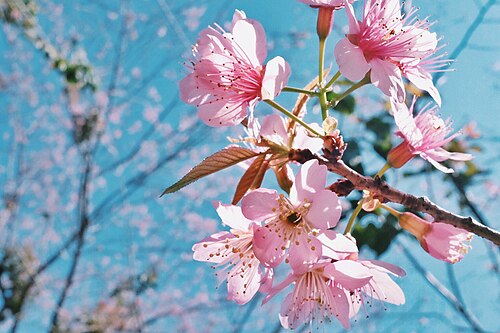
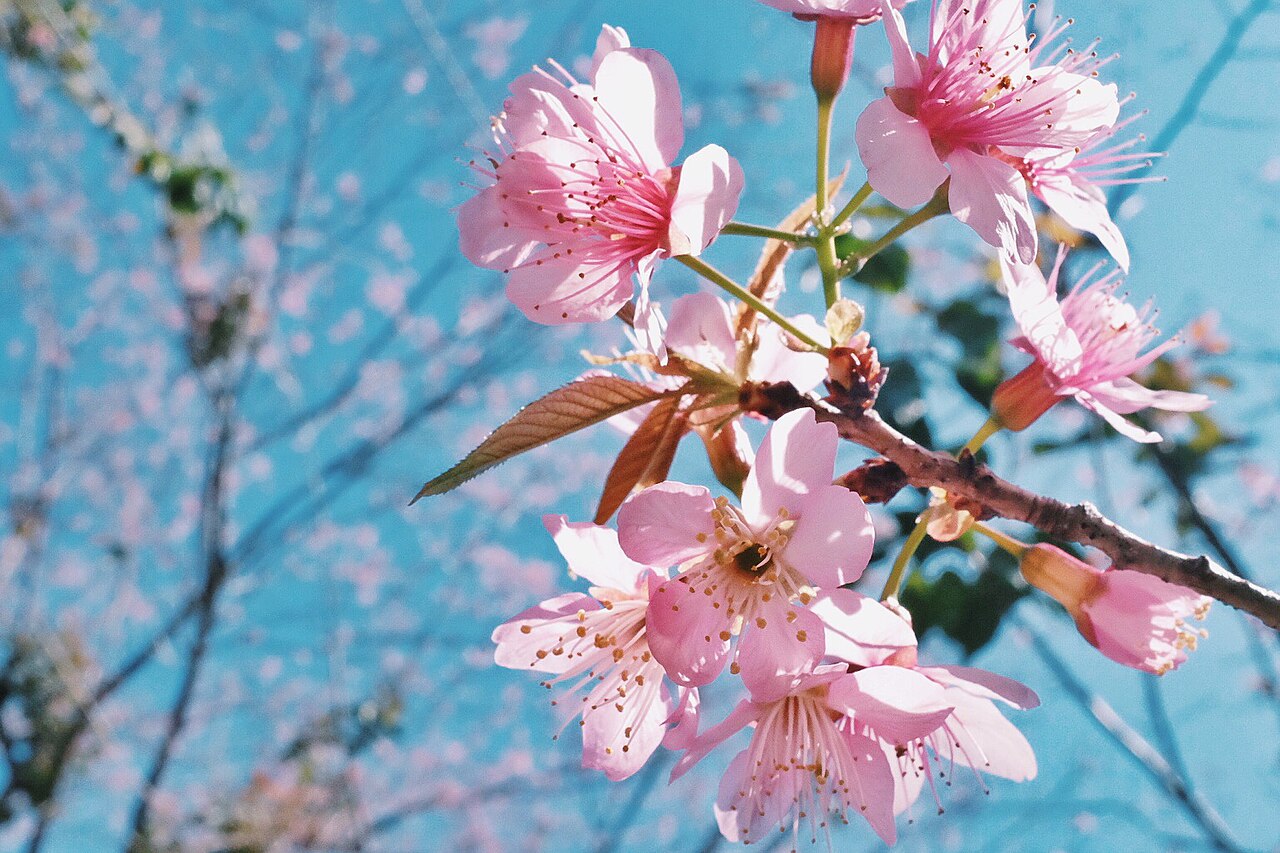
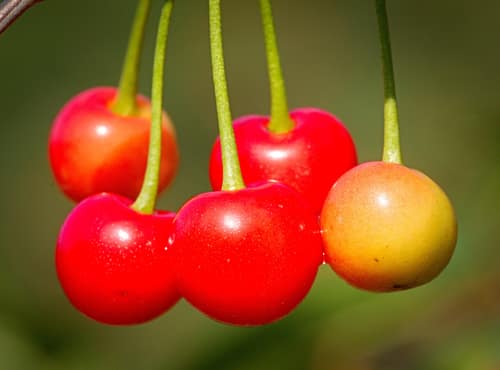
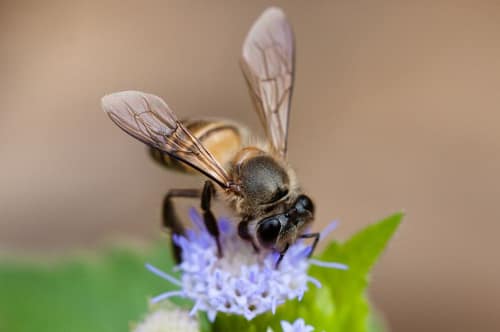
 Image unavailable