Also known as Cherokee Plum, Sand Plum, Sandhill Plum, Florida Sand Plum
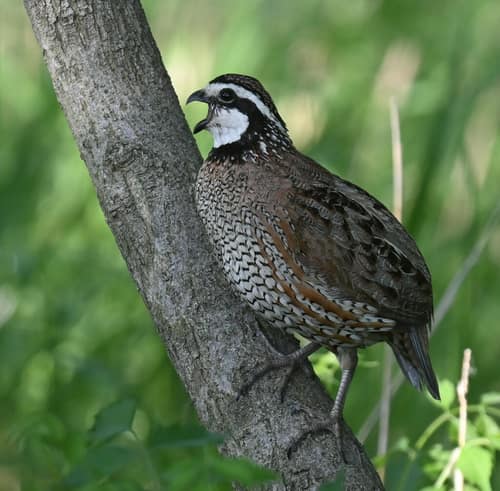
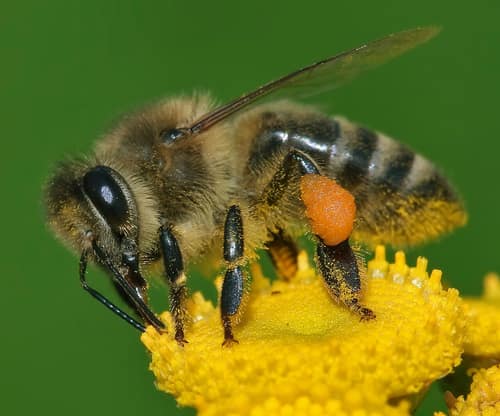
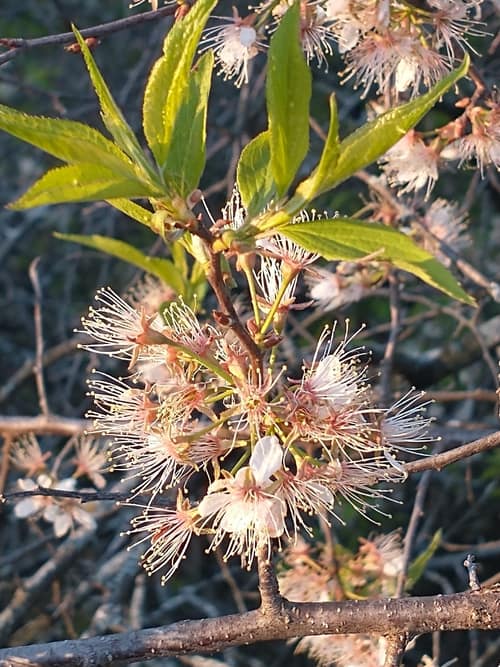
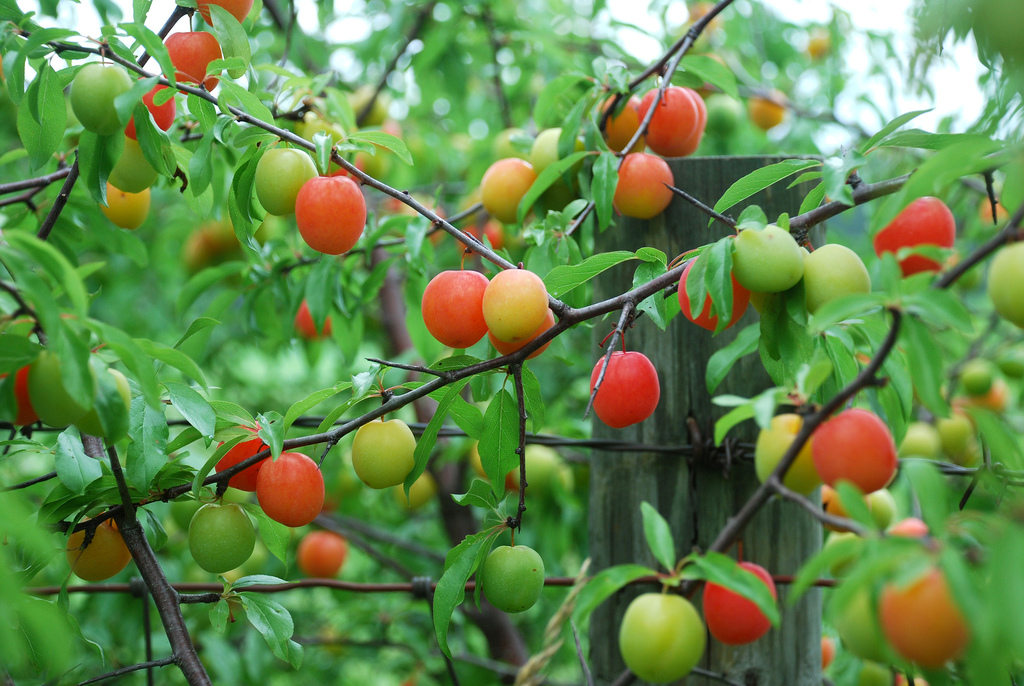
Chickasaw plum is a thicket-forming deciduous shrub or small tree native to sandy soils across the central and southeastern United States. In early spring, bare branches burst into dense clusters of aromatic white blossoms before the glossy, lance-shaped leaves emerge, providing an essential early nectar source for emerging native bees. Its extensive root suckering creates dense, thorny groves that offer crucial nesting cover and predator protection for bobwhite quail and songbirds.
ThreatsHabitat fragmentation, fire suppression, and agricultural clearing
HabitatsSandy savannahs, old fields, forest margins, fencerows, and sandhills
Life span15–30 years
Size / weightNot available
Classification
FamilyRosaceae
SpeciesPrunus angustifolia
Range & activity
Range data is not available yet.
Safe observation
Interaction riskHigh
Low
Moderate
High
Very high
Why interaction risk is high
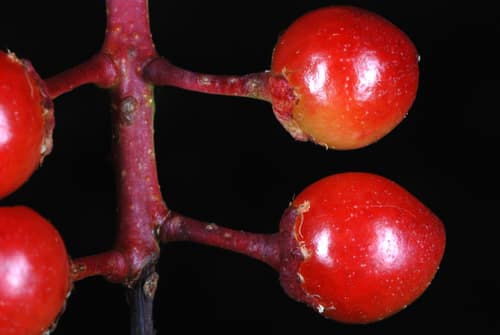
Pits and foliage contain cyanogenic glycosides toxic to pets; wild fruit has toxic look-alikes, never ingest.
Why it is dangerous
The pits, stems, and wilted foliage contain amygdalin, which hydrolyzes into lethal hydrogen cyanide when chewed or digested, posing a poisoning hazard to livestock and pets.
How to recognize a risky encounter
Look for narrow, trough-folded, finely serrated leaves on reddish-brown, often thorn-like zigzagging branches that form spreading colonial thickets.
What to do
Enjoy flowering thickets visually from a safe distance and prevent livestock, dogs, or curious pets from browsing the leaves or chewing fallen seeds.
Responsible observation
Spring Bloom Spotting: Look along sunny roadsides and fencerows in late February to April when white floral sprays coat the bare branches.
Thicket Caution: Watch for stiff, spine-tipped twigs when inspecting the dense inner branches.
Landscape Use: Plant in well-drained sandy or loamy soils to stabilize slopes and establish native wildlife hedgerows.

 1 / 7
1 / 7