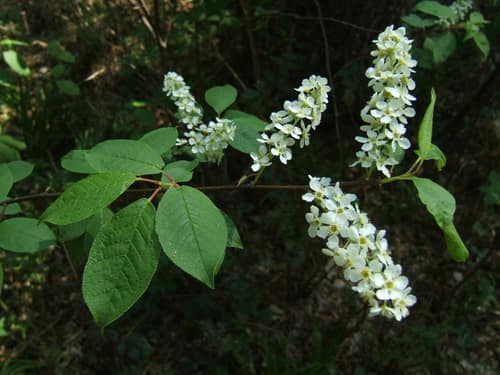
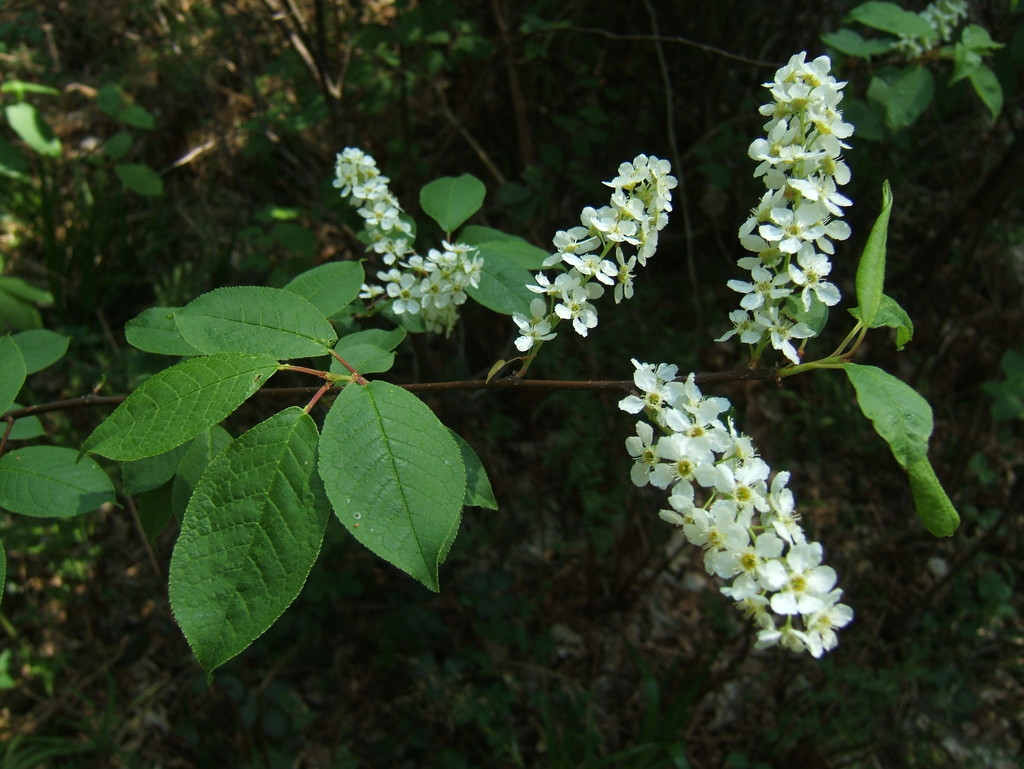
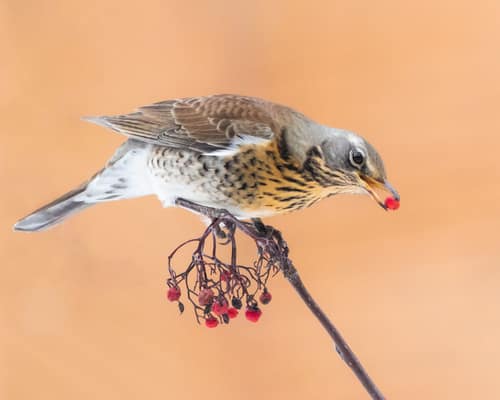
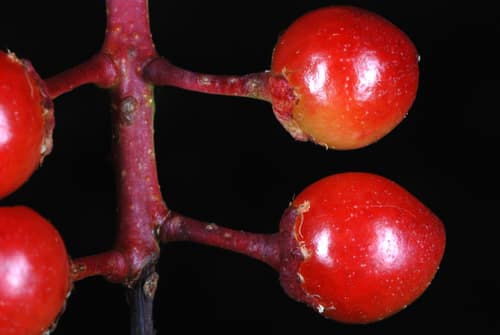
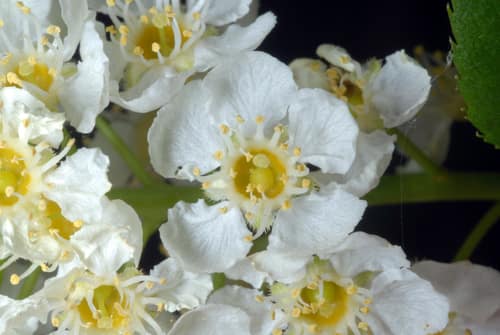
Bird cherry lights up damp European and Asian woodlands in late spring with dangling, almond-scented racemes of white blossoms. Come late summer, these flowers yield clusters of glossy black drupes whose harsh, astringent flesh is avidly consumed and dispersed by thrushes, starlings, and small mammals. Its bitter, dark bark emits an acrid aroma when scratched, serving as a chemical defense against herbivores.
ThreatsHabitat loss from wetland drainage, river canalization, and fungal diseases like pocket plum gall
HabitatsRiparian woodlands, riverbanks, damp deciduous forests, and hedgerows
Life span50–80 years
Size / weightNot available
Classification
OrderRosales
FamilyRosaceae
GenusPrunus
SpeciesPrunus padus
Range & activity
Range data is not available yet.
Safe observation
Interaction riskHigh
Low
Moderate
High
Very high
Why interaction risk is high
Pits and foliage contain toxic cyanogenic glycosides; wild berries have dangerous look-alikes, so never consume wild plants.
Why it is dangerous
Seeds, leaves, and bark contain amygdalin and other cyanogenic glycosides that metabolize into toxic hydrogen cyanide when chewed or crushed, posing risks to humans, livestock, and pets.
How to recognize a risky encounter
Look for alternating finely serrated oval leaves, prominent pairs of glands on the leaf stalk, and loose drooping clusters of small black stone fruit.
What to do
Do not chew on twigs, crushed seeds, or foliage; enjoy the flowers and fruit visually without foraging or ingesting any part of the plant.
Responsible observation
Bloom Identification: Look for long, drooping sprays of white flowers in May to distinguish it from umbel-flowered cherries.
Foliage Inspection: Check the leaf petioles near the blade base for two small green or reddish nectar glands.
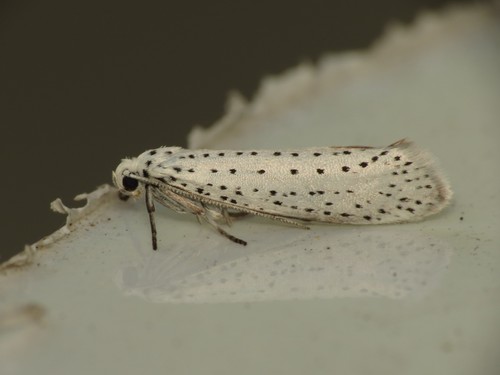
Silken Tents: Watch for dense communal webs woven by ermine moth caterpillars on branches in early summer.