
Plant · GBIF taxon 3001509
European Crab Apple
Malus sylvestrisAlso known as European Wild Apple, Crab Apple, Wild Apple
European crab apples form gnarled, thorny small trees or shrubs along forest margins and hedgerows throughout Europe. Fragrant white blossoms flushed with pink attract early pollinators in spring, giving way to small, extremely sour yellowish-green fruit in autumn. Wild populations face significant pressure from genetic pollution through cross-pollination with cultivated orchard trees.
DeciduousFloweringForest Tree
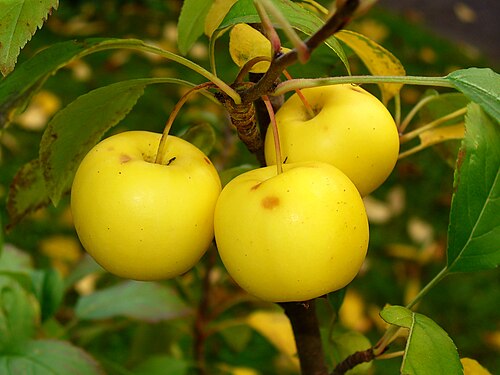
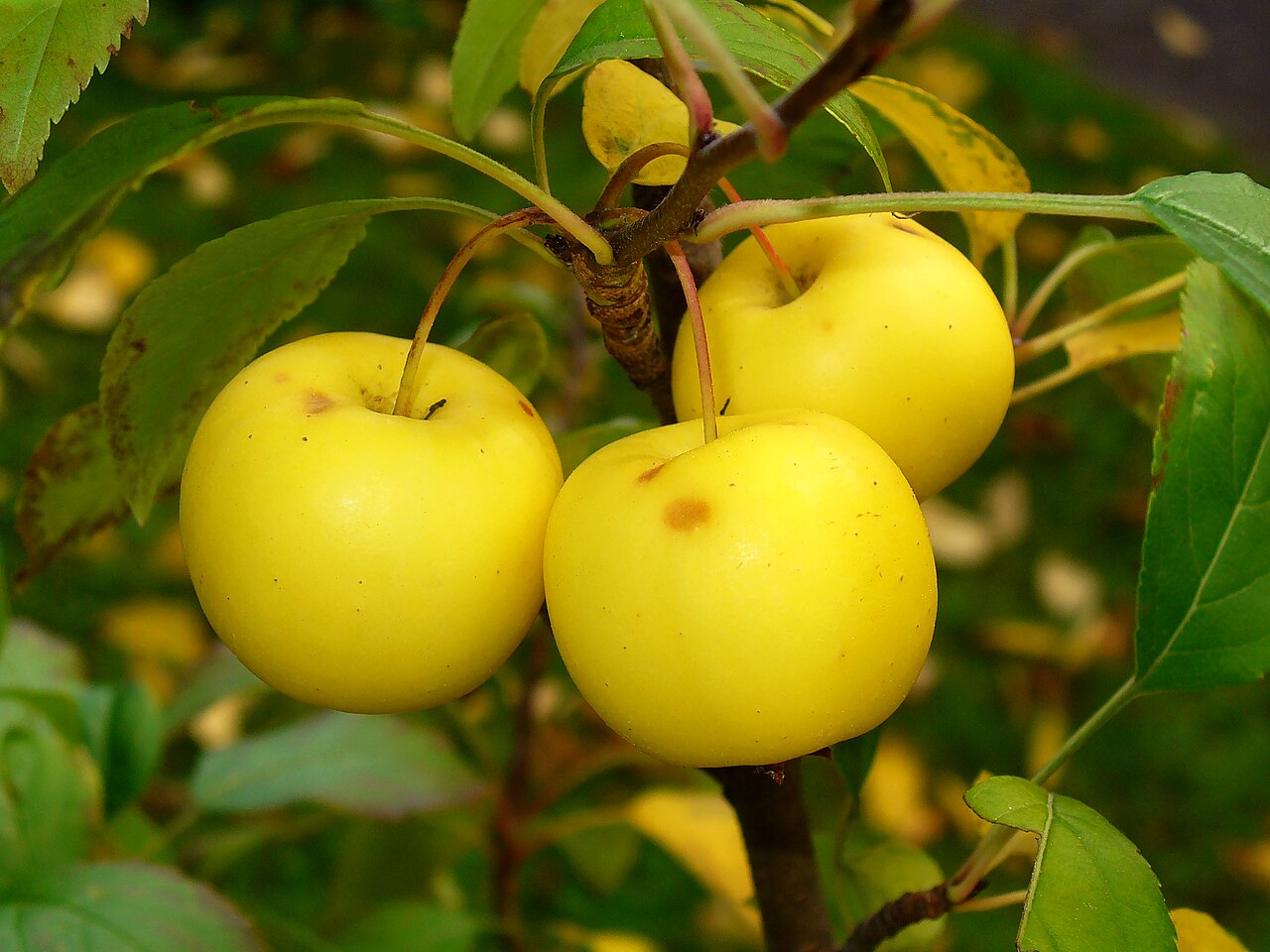
—observations
—countries
—peak records
Data DeficientConservation statusIUCN Red List categoriesLCNTVUENCREWEXData Deficient — not placed on the risk ladderRed List categories, explained →
Diet & prey
- Sunlight
- Water
- Soil Minerals
Predators
- European Roe Deer
- Winter Moth Larvae
- Apple Bark Beetle
ThreatsHybridization with cultivated apples, habitat loss, and land clearing
HabitatsDeciduous woodlands, forest edges, scrublands, and hedgerows
Life span80–150 years
Size / weightNot available
Classification
- FamilyRosaceae
- SpeciesMalus sylvestris
Range data is not available yet.
Interaction riskLow
- Low
- Moderate
- High
- Very high
- Why interaction risk is low
- Wild fruit has toxic look-alikes; never eat wild apples or berries based on app identification alone.
- What to notice
- Pure individuals feature hairless lower leaf surfaces, thorny branch spurs, and small green fruit.
- Support conservation
- Avoid planting domestic apple trees near wild forest stands to prevent unwanted cross-pollination.
Responsible observation
- Spotting Spurs: Look for short, thorny spur branches along smaller stems.
- Spring Blossoms: Observe fragrant pinkish-white blossoms in mid-to-late spring.
- Distinguishing Wild Hybrids: Examine the undersides of adult leaves, which are smooth rather than fuzzy.
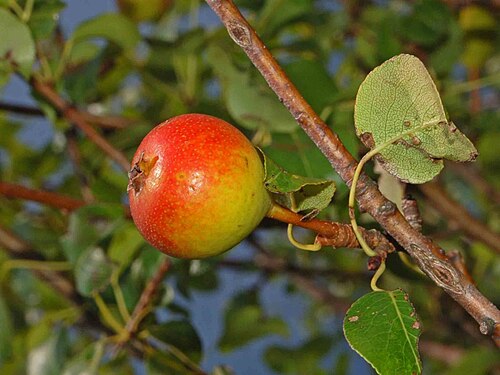
Frequent Companion Hectonichus / CC BY-SA 3.0 · cc-by-sa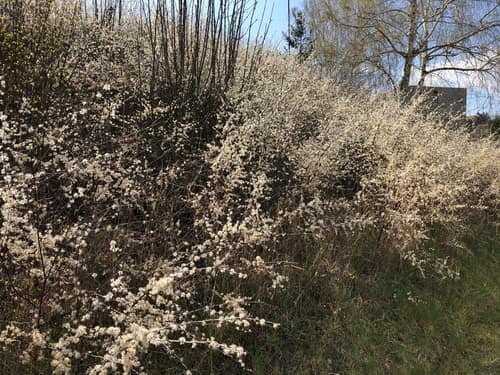
Frequent Companion (c) Pavel Kacl, some rights reserved (CC BY), uploaded by Pavel Kacl · cc-by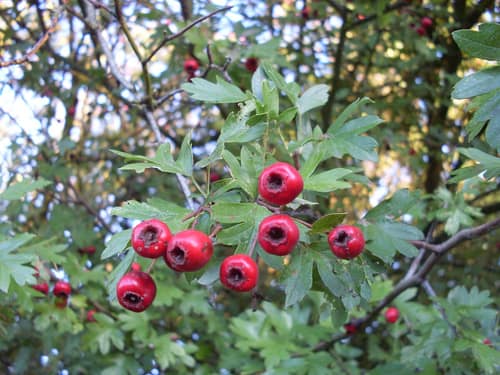
Frequent Companion Elstro / CC BY 3.0 · cc-by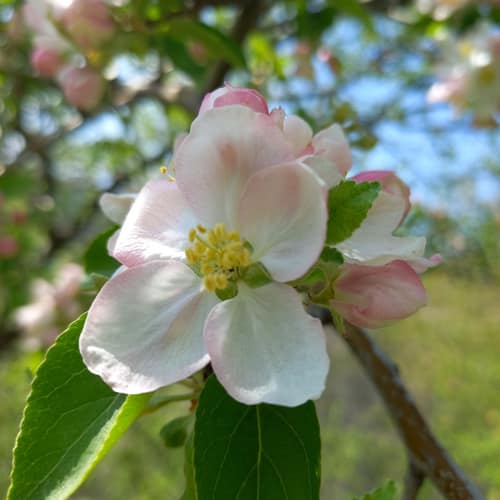
Close Relative (c) Alexander Dubynin, some rights reserved (CC BY) · cc-by
Help improve the field guideSomething wrong?
Checking your Fauna account…Report a name, category, or profile issue for review.