
Plant · GBIF taxon 3001365
Japanese Flowering Crabapple
Malus floribundaAlso known as Japanese Crab, Showy Crabapple, Japanese Crabapple
Japanese flowering crabapples erupt in early spring with deep crimson buds that open into a profusion of pale pink and white blossoms. Small, pea-sized yellow and red fruits ripen in autumn and linger on branches into winter, providing a critical cold-weather food source for songbirds. Widely cultivated for its spreading habit and spectacular floral display, it remains one of the most disease-resistant ornamental trees in temperate landscapes.
DeciduousFloweringOrnamental
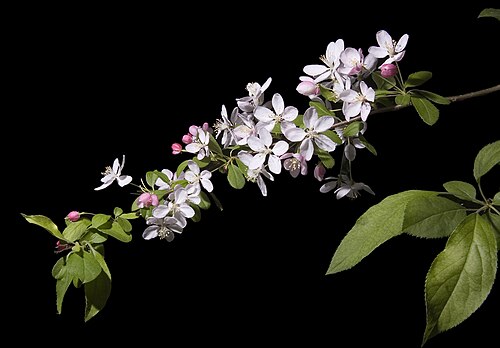
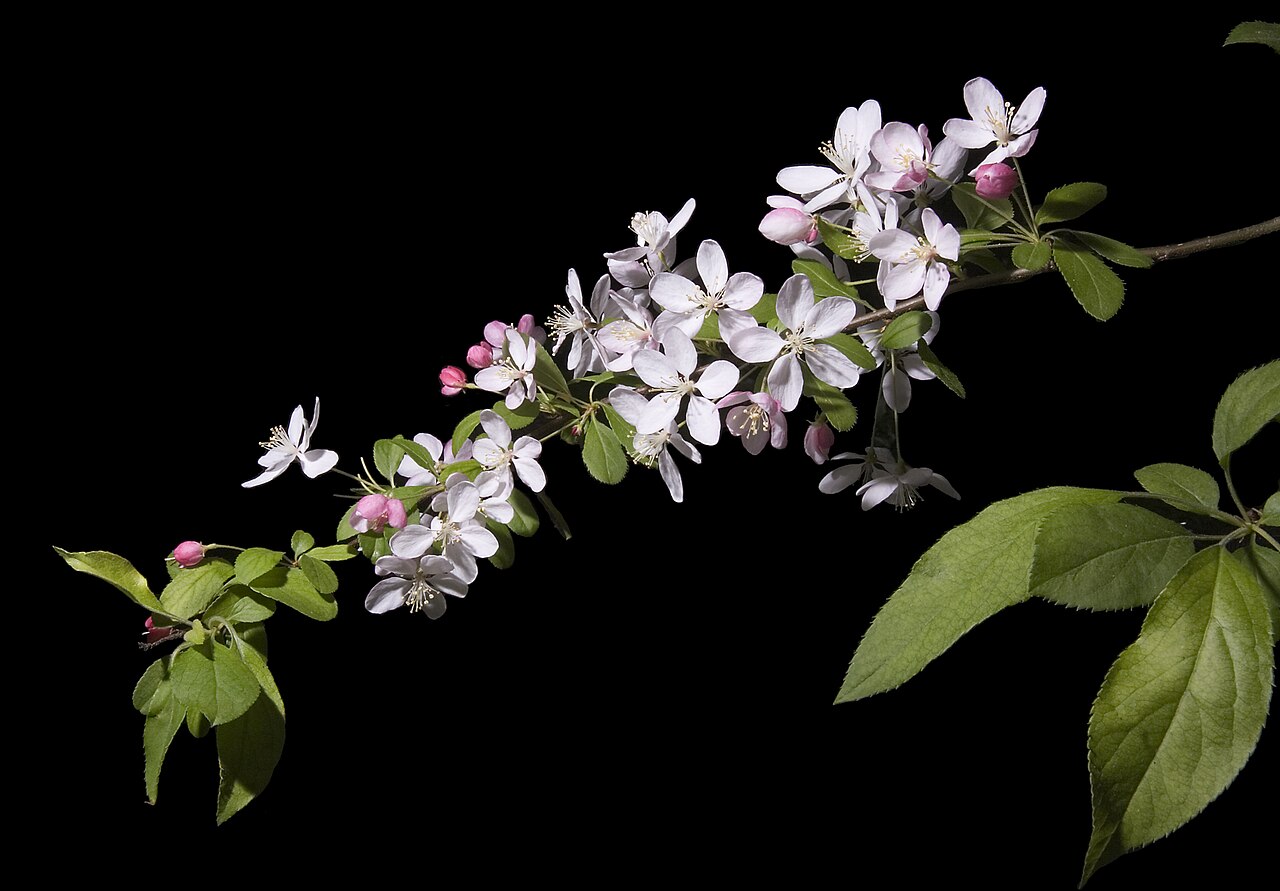
—observations
—countries
—peak records
Not EvaluatedConservation statusIUCN Red List categoriesLCNTVUENCREWEXNot Evaluated — not placed on the risk ladderRed List categories, explained →
Diet & prey
- Autotrophic (Photosynthesis)
Predators
Not available
ThreatsFire blight, cedar-apple rust, urbanization
HabitatsTemperate forests, cultivated gardens, parks, woodland borders
Life span40–100 years
Size / weightNot available
Classification
- OrderRosales
- FamilyRosaceae
- GenusMalus
- SpeciesMalus floribunda
Range data is not available yet.
Interaction riskLow
- Low
- Moderate
- High
- Very high
- Why interaction risk is low
- Wild fruits can be difficult to identify safely; never consume wild or cultivated pomes based on app ID alone.
Responsible observation
- Spring Viewing: Visit in mid-spring when red buds unfurl into masses of white and pink flowers.
- Disease Inspection: Examine leaves in late summer to admire its exceptional resistance to foliage diseases.
- Bird Watching: Quietly observe persistent winter fruits to spot overwintering birds like cedar waxwings.
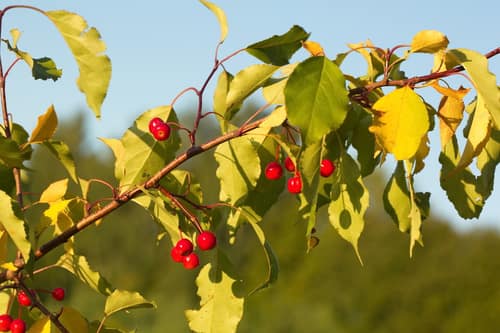
Parent Species (c) Вячеслав Юсупов, some rights reserved (CC BY), uploaded by Вячеслав Юсупов · cc-by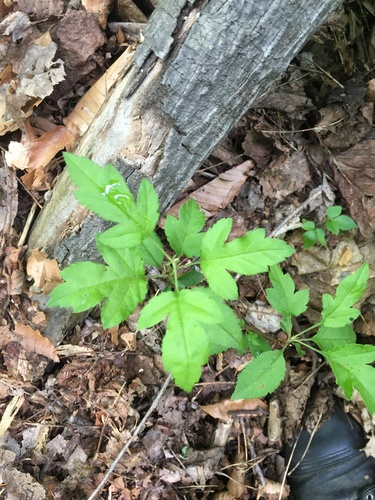
Parent Species no rights reserved, uploaded by Daniel Atha · cc0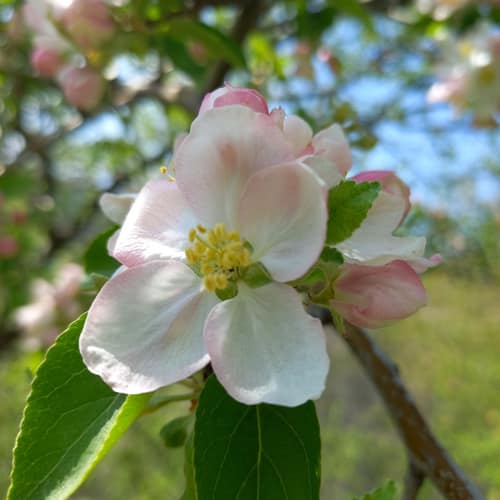
Close Relative (c) Alexander Dubynin, some rights reserved (CC BY) · cc-by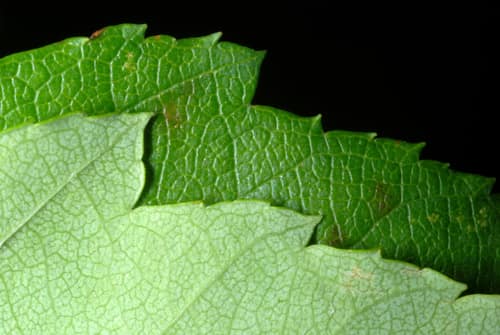
Genus Relative (c) Douglas Goldman, some rights reserved (CC BY-SA), uploaded by Douglas Goldman · cc-by-sa
Help improve the field guideSomething wrong?
Checking your Fauna account…Report a name, category, or profile issue for review.