
Plant · GBIF taxon 3001362
Siberian Crabapple
Malus baccataAlso known as Siberian Crab, Manchurian Crab Apple, Chinese Crab Apple
Siberian crabapple trees form broad, rounded crowns that transform in spring under a dramatic canopy of fragrant, snowy-white blossoms. By autumn, branches weigh heavy with tiny, bright red or yellow fruits that often cling to the twigs well into winter. Highly valued for extreme cold hardiness, these long-lived trees provide crucial winter forage for songbirds and serve as vital rootstock for domestic apple orchards across harsh climates.
TreeFloweringCold Hardy
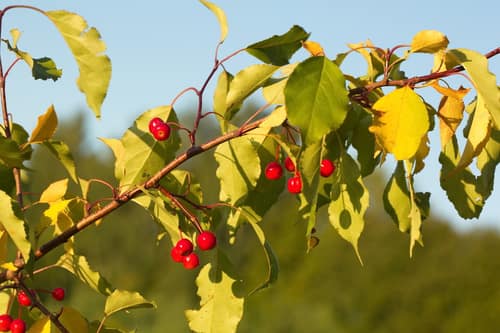
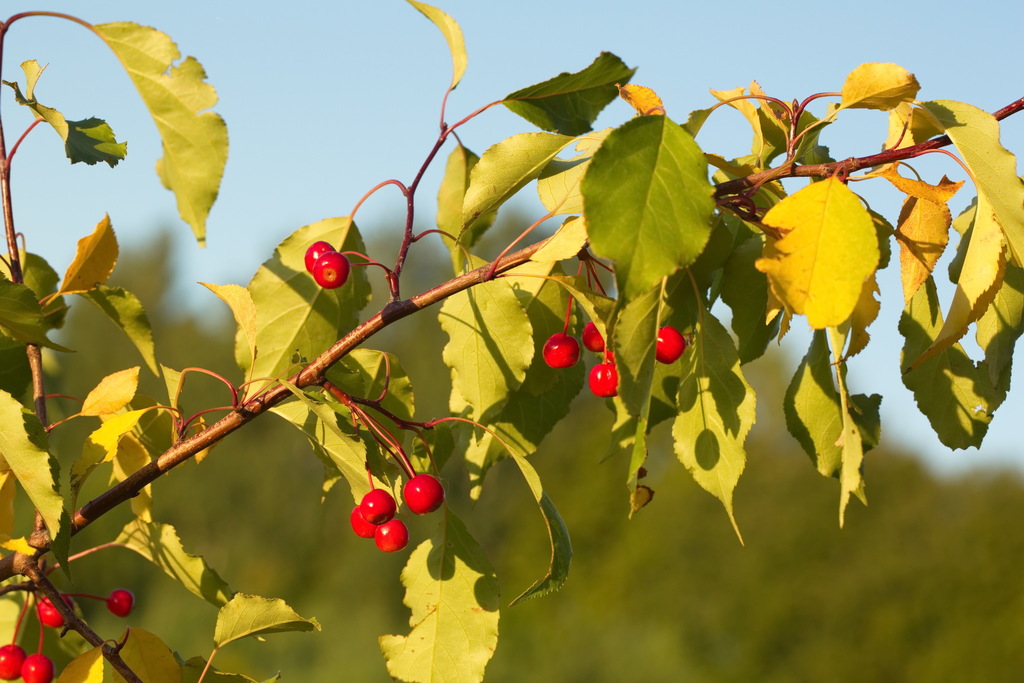 1 / 7
1 / 7—observations
—countries
—peak records
Not EvaluatedConservation statusIUCN Red List categoriesLCNTVUENCREWEXNot Evaluated — not placed on the risk ladderRed List categories, explained →
Diet & prey
- Autotrophic (Photosynthesis)
Predators
- White-tailed Deer
- Eastern Cottontail
- Meadow Vole
ThreatsFire blight, apple scab, and localized habitat loss
HabitatsBoreal forests, mountain slopes, river valleys, parks, and gardens
Life span50–100 years
Size / weightNot available
Classification
- OrderRosales
- FamilyRosaceae
- GenusMalus
- SpeciesMalus baccata
Range data is not available yet.
Interaction riskLow
- Low
- Moderate
- High
- Very high
- Why interaction risk is low
- Wild fruit has toxic look-alikes; never eat wild crabapples based on app identification alone.
Responsible observation
- Spring Blooming: Visit in mid to late spring to observe dense clusters of fragrant white blossoms attracting pollinators.
- Bird Watching: Check persistent fruit clusters during winter months for feeding cedar waxwings and robins.
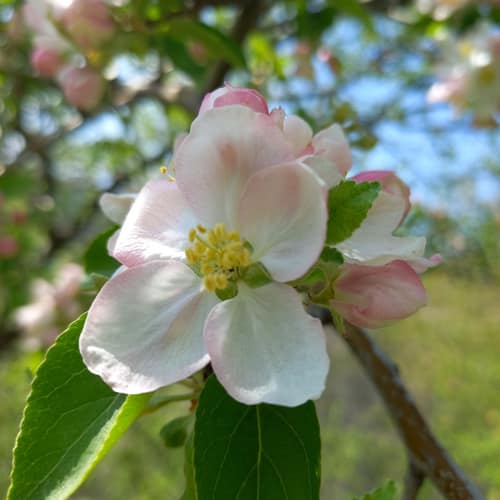
Close Relative (c) Alexander Dubynin, some rights reserved (CC BY) · cc-by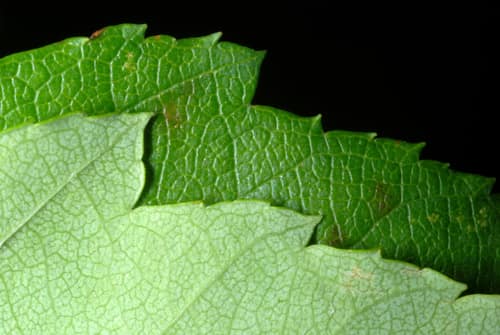
Close Relative (c) Douglas Goldman, some rights reserved (CC BY-SA), uploaded by Douglas Goldman · cc-by-sa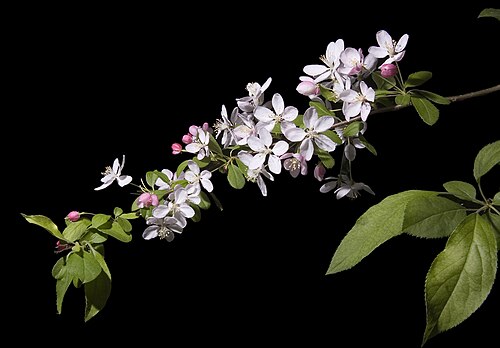
Close Relative MichaelMaggs / CC BY-SA 2.5 · cc-by-sa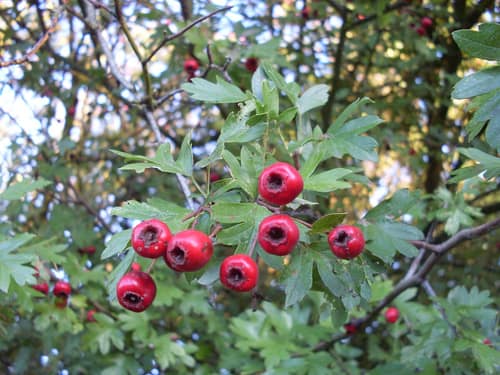
Family Member Elstro / CC BY 3.0 · cc-by
Help improve the field guideSomething wrong?
Checking your Fauna account…Report a name, category, or profile issue for review.