
Plant · GBIF taxon 3001244
Apple
Malus domesticaAlso known as Domestic Apple, Orchard Apple, Cultivated Apple
Apple trees burst into pink-tinted white blossoms each spring, attracting early pollinators before setting fruit that matures by late summer or autumn. Developed through thousands of years of selective breeding, these deciduous trees produce thousands of named varieties ranging from tart green cooking apples to sweet red dessert cultivars. Birds, mammals, and insects depend heavily on both the seasonal flowers and fallen autumn fruit in rural and agricultural ecosystems.
DeciduousFruit-BearingFlowering
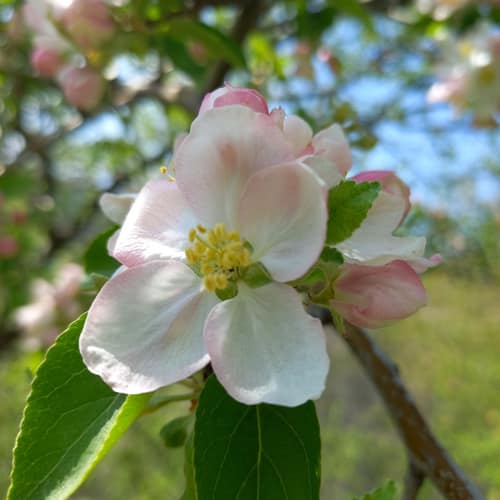
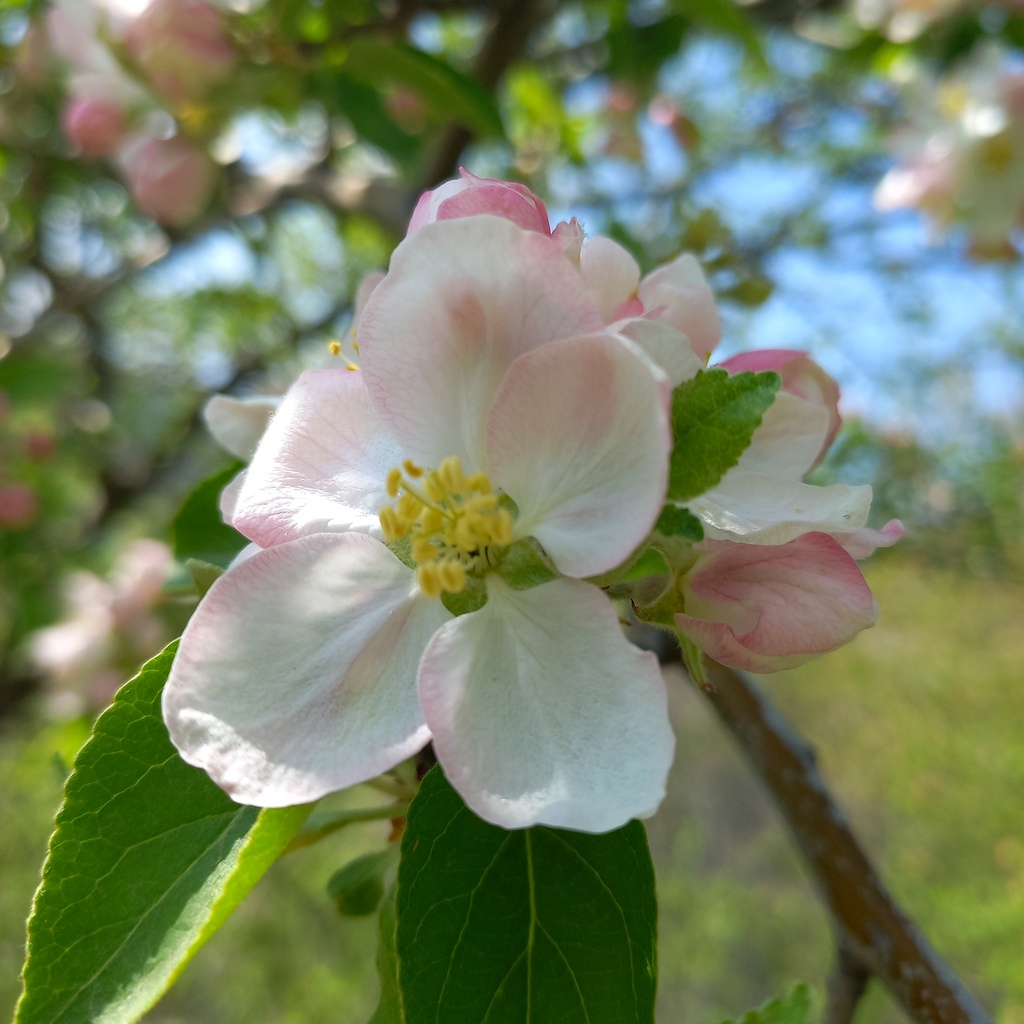
—observations
—countries
—peak records
Not EvaluatedConservation statusIUCN Red List categoriesLCNTVUENCREWEXNot Evaluated — not placed on the risk ladderRed List categories, explained →
Diet & prey
- Sunlight
- Water
- Soil Nutrients
Predators
- Codling Moth
- Apple Maggot
- White-Tailed Deer
ThreatsFungal diseases like apple scab, fire blight, pest insect outbreaks, extreme unseasonal frosts
HabitatsOrchards, temperate woodlands, agricultural lands, suburban gardens
Life span50–100 years
Classification
- OrderRosales
- FamilyRosaceae
- GenusMalus
- SpeciesMalus domestica
Range data is not available yet.
Interaction riskHigh
- Low
- Moderate
- High
- Very high
- Why interaction risk is high
- Safe to observe at a normal distance.
Responsible observation
- Spotting Blossoms: Look for five-petaled white and pink blooms during early spring.
- Wildlife Watching: Watch for pollinating bees around flowers and birds gathering fallen fruit.
- Varietal ID: Observe bark texture, leaf shape, and fruit coloration to distinguish cultivars.
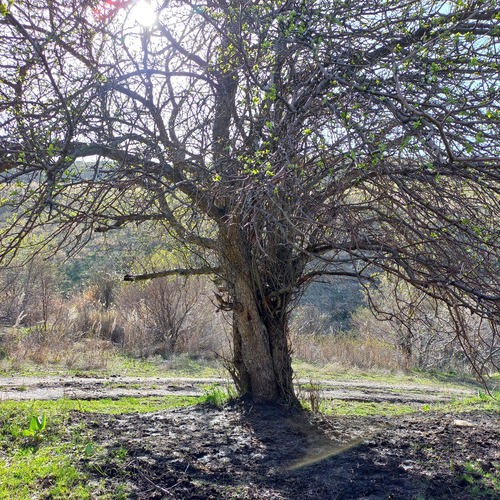
Wild Ancestor (c) Alexander Dubynin, some rights reserved (CC BY) · cc-by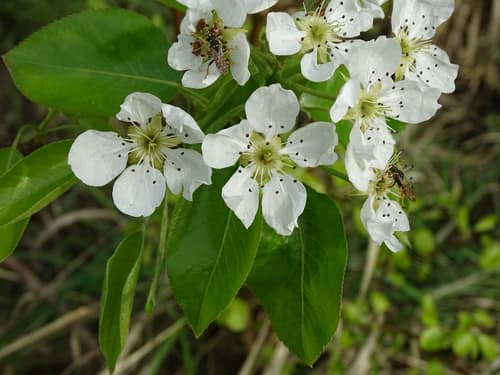
Orchard Kin (c) Grzegorz Grzejszczak, some rights reserved (CC BY-SA), uploaded by Grzegorz Grzejszczak · cc-by-sa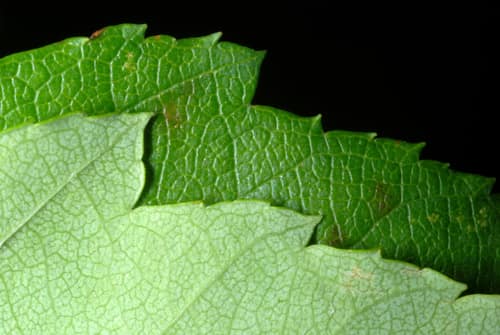
Wild Relative (c) Douglas Goldman, some rights reserved (CC BY-SA), uploaded by Douglas Goldman · cc-by-sa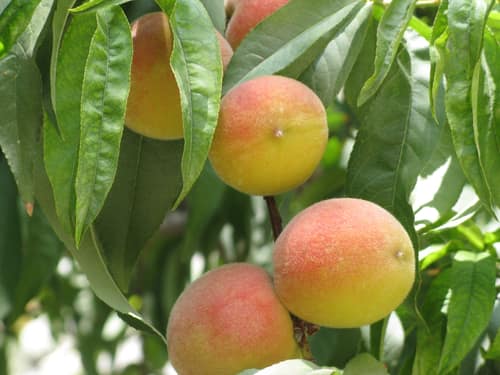
Rose Family Relative (c) Yair Haklai, some rights reserved (CC BY-SA) · cc-by-sa
Help improve the field guideSomething wrong?
Checking your Fauna account…Report a name, category, or profile issue for review.