
Plant · GBIF taxon 3001166
Sweet Crabapple
Malus coronariaAlso known as Garland Crab, American Crab Apple, Wild Sweet Crab
Sweet crabapples bloom in late spring with dense clusters of intensely fragrant pink-to-white blossoms. Small yellowish-green fruits ripen by autumn and linger into winter, offering key forage for local wildlife. Native to eastern North America, these small trees often spread by root suckers to form dense thickets along woodland edges.
NativeFragrantDeciduous
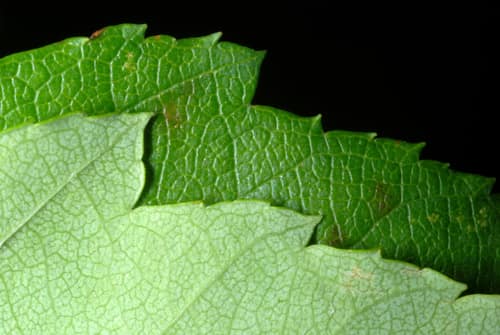
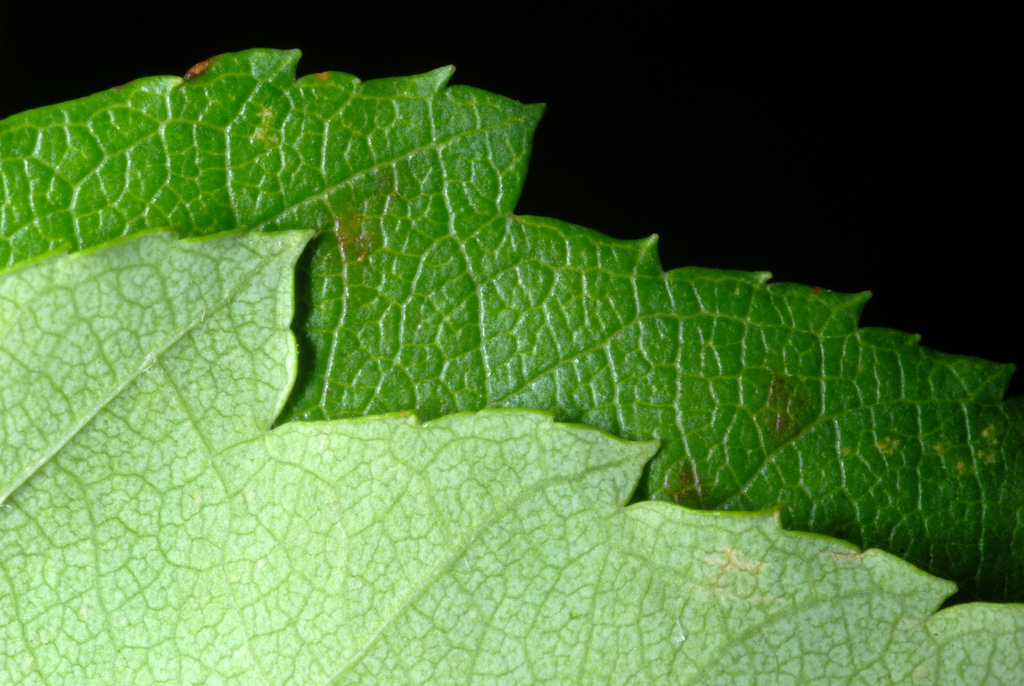 1 / 7
1 / 7—observations
—countries
—peak records
Least ConcernConservation statusIUCN Red List categoriesLCNTVUENCREWEXLeast ConcernRed List categories, explained →
Diet & prey
- Autotrophic (Photosynthesis)
Predators
- White-tailed Deer
- Eastern Cottontail
- Cedar Waxwing
ThreatsHabitat clearing, cedar-apple rust, and invasive species
HabitatsOpen woods, forest edges, stream banks, and thickets
Life span30–80 years
Size / weightNot available
Classification
- OrderRosales
- FamilyRosaceae
- GenusMalus
- SpeciesMalus coronaria
Range data is not available yet.
Interaction riskLow
- Low
- Moderate
- High
- Very high
- Why interaction risk is low
- Wild fruit has toxic look-alikes; never eat wild apples based on app identification alone.
Responsible observation
- Spring bloom: Visit in May to enjoy the intense floral fragrance.
- Fruit identification: Look for waxy, green apples that turn yellowish in fall.
- Twig structure: Check branch tips for sharp, thorn-like spur shoots.
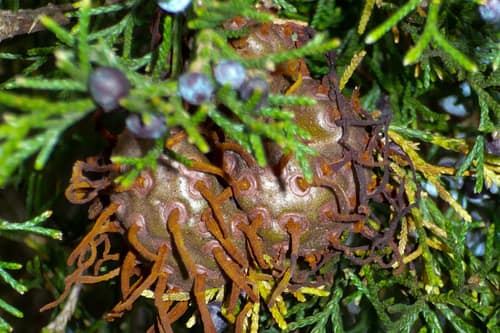
Fungal Pathogen (c) Sabrina Setaro, some rights reserved (CC BY) · cc-by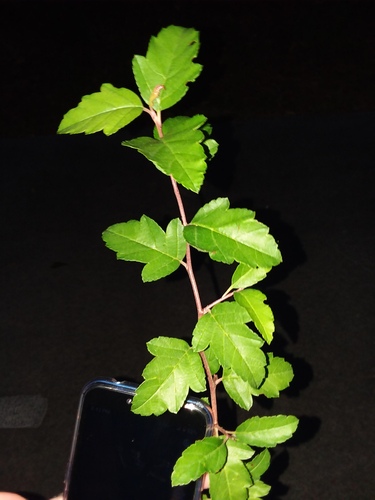
Close Relative no rights reserved, uploaded by Nonbinary-Naturalist · cc0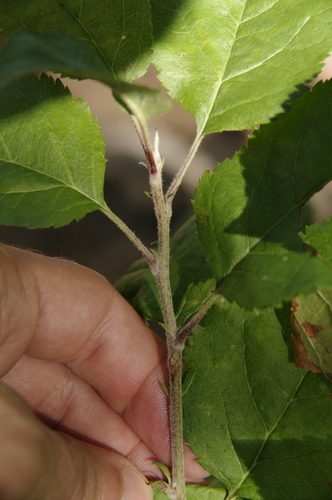
Close Relative (c) Eric Knight, some rights reserved (CC BY), uploaded by Eric Knight · cc-by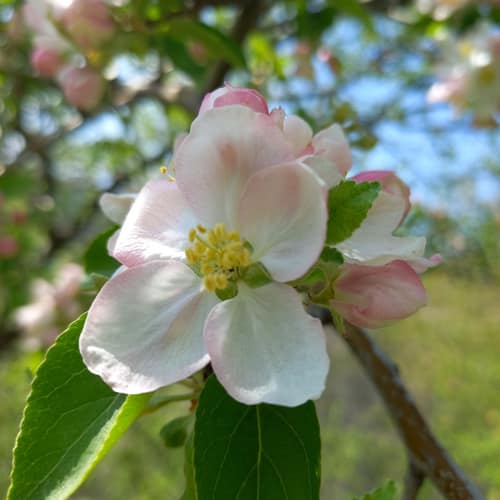
Cultivated Relative (c) Alexander Dubynin, some rights reserved (CC BY) · cc-by
Help improve the field guideSomething wrong?
Checking your Fauna account…Report a name, category, or profile issue for review.