
Plant
Red Raspberry
Rubus idaeusAlso known as European Red Raspberry, Wild Raspberry
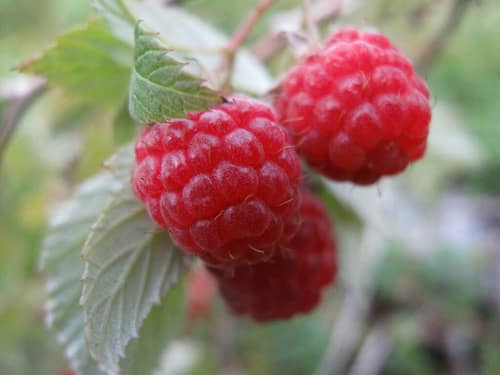
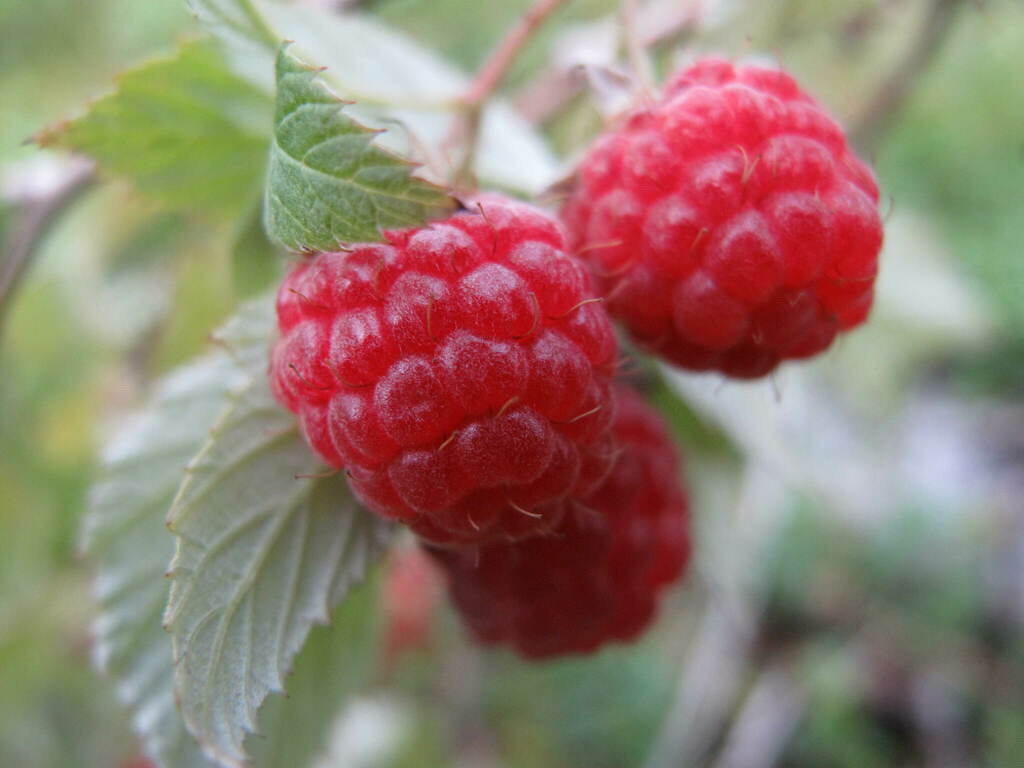
Red raspberry thickets flourish along forest edges and sunny clearings, where their arching, bristled canes form dense protective cover for wildlife. The plant produces woody biennial canes from a perennial root system, bearing drooping clusters of five-petaled white flowers that attract swarms of native bees and butterflies. Songbirds, bears, and small mammals feed heavily on the aggregate fruits, dispersing seeds across woodland landscapes.
PerennialWoodlandPollinator Host
—observations
—countries
—peak records
Least ConcernConservation statusIUCN Red List categoriesLCNTVUENCREWEXLeast ConcernRed List categories, explained →
Diet & preyPhotosynthetic
Predators
- Birds
- Bears
- Small Mammals
ThreatsHabitat clearing, invasive plant competition, fungal blights
HabitatsForest edges, clearings, thickets, disturbed soils
Life spanPerennial roots with 2-year biennial canes
Classification
- OrderRosales
- FamilyRosaceae
- GenusRubus
- SpeciesRubus idaeus
Range data is not available yet.
Interaction riskLow
- Low
- Moderate
- High
- Very high
- Why interaction risk is low
- Wild berries have toxic look-alikes; never eat based on app identification alone.
Responsible observation
- Spotting Canes: Look for upright or arching stems covered in fine bristles rather than large curved thorns.
- Pollinator Watching: Visit flowering patches in late spring to observe native bees foraging on the blooms.
- Habitat Respect: Avoid pushing through dense brambles to protect nesting songbirds sheltered inside.
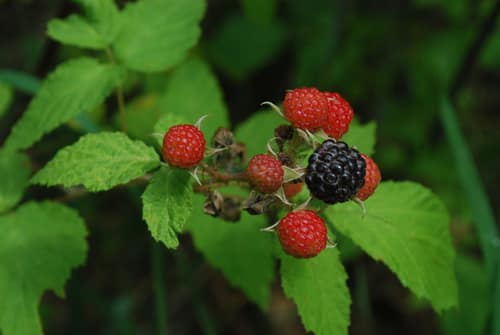
Close Relative (c) Joshua Mayer, some rights reserved (CC BY-SA) · cc-by-sa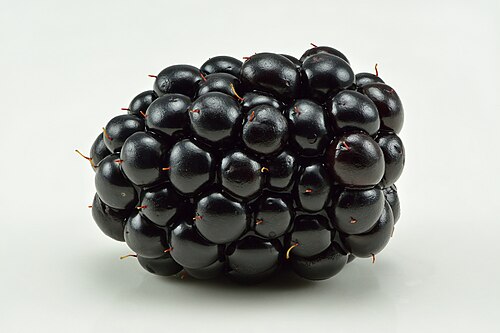
Close Relative Ivar Leidus / CC BY-SA 4.0 · cc-by-sa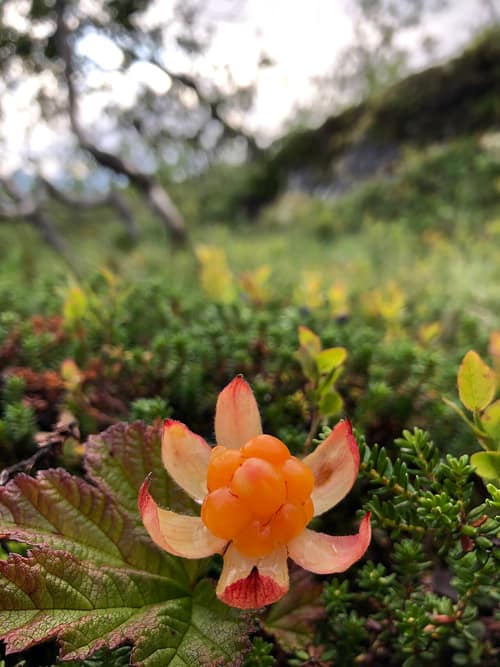
Close Relative Moravice / CC BY-SA 4.0 · cc-by-sa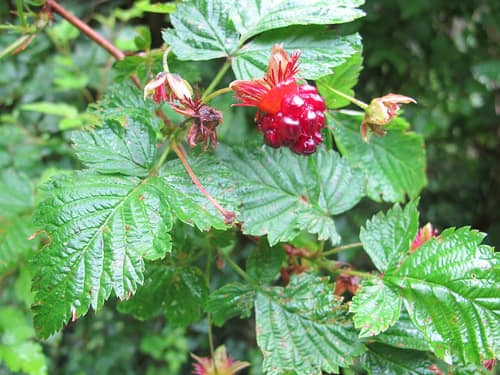
Close Relative Margalob / CC BY-SA 4.0 · cc-by-sa
Help improve the field guideSomething wrong?
Checking your Fauna account…Report a name, category, or profile issue for review.