
Plant
Common Ninebark
Physocarpus opulifoliusAlso known as Eastern Ninebark, Atlantic Ninebark, Ninebark
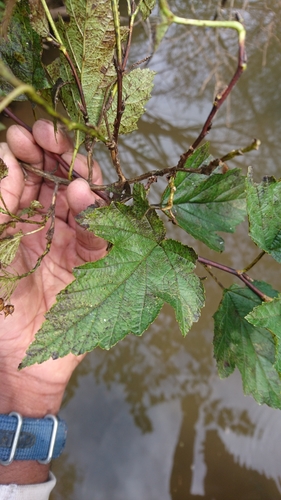
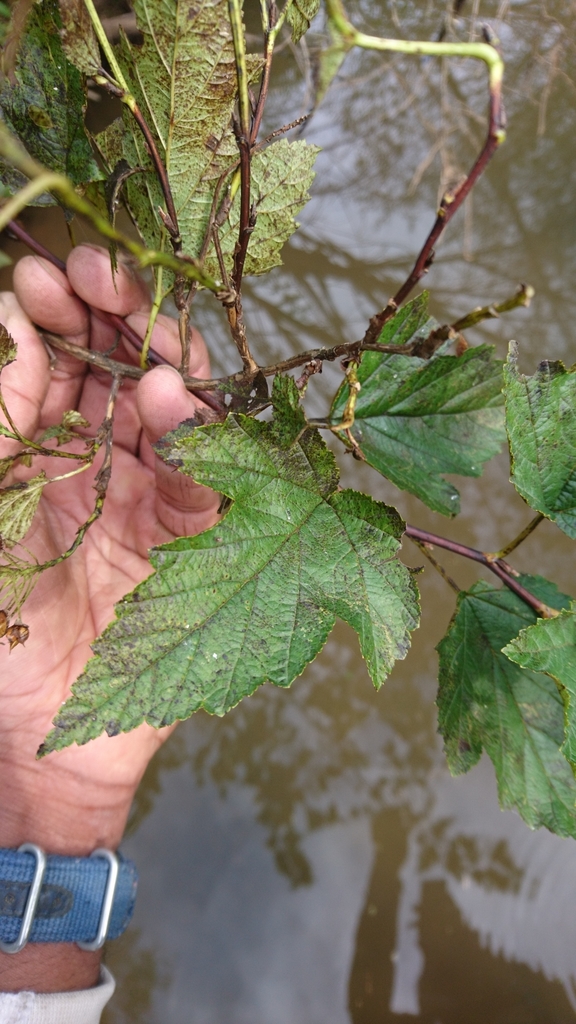
Arching branches of common ninebark form dense thickets along stream banks and moist rocky slopes, stabilizing shoreline soil with deep, tough root systems. In late spring, rounded clusters of white or pink-tinged blossoms draw bees and butterflies, followed by papery reddish seed capsules that persist into winter. The distinctive outer bark peels away in thin, papery strips, exposing layers of reddish-brown inner bark that provide striking winter texture.
DeciduousNative ShrubFlowering
—observations
—countries
—peak records
Least ConcernConservation statusIUCN Red List categoriesLCNTVUENCREWEXLeast ConcernRed List categories, explained →
Diet & preySunlight, Water, Soil nutrients
Predators
- White-tailed deer
- Ninebark beetle
- Aphids
ThreatsHabitat destruction, invasive plant competition
HabitatsRiverbanks, rocky slopes, thickets, moist woods
Life span20–50 years
Classification
- OrderRosales
- FamilyRosaceae
- GenusPhysocarpus
- SpeciesPhysocarpus opulifolius
Range data is not available yet.
Interaction riskLow
- Low
- Moderate
- High
- Very high
- Why interaction risk is low
- Safe to observe at a normal distance.
Responsible observation
- Winter Identification: Look for distinctive papery bark that peels back in layers to reveal reddish-brown underbark.
- Gardening Value: Plant along slopes or rain gardens to prevent erosion and support native pollinators.
 Image unavailable
Herbivore 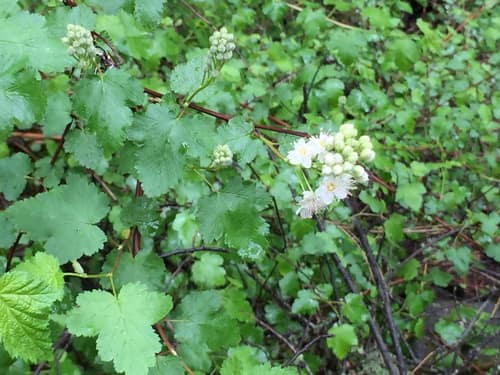
Close Relative no rights reserved · cc0Close Relative 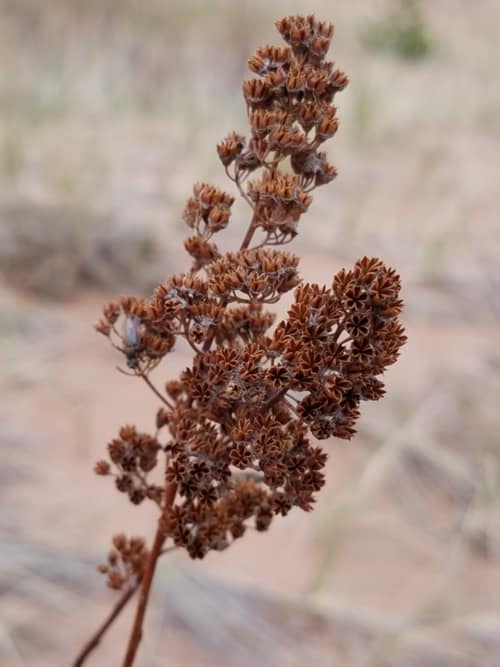
Family Member (c) Sarah Johnson, some rights reserved (CC BY), uploaded by Sarah Johnson · cc-by
Help improve the field guideSomething wrong?
Checking your Fauna account…Report a name, category, or profile issue for review.