
Plant
Firethorn
Pyracantha coccineaAlso known as Scarlet Firethorn, Red Firethorn
Scarlet firethorn forms dense, spiny thickets lined with glossy evergreen leaves and sharp stiff thorns. In late spring, abundant clusters of creamy white blossoms cover the branches, attracting bees and other pollinators. By autumn, these blooms give way to masses of long-lasting, brilliant scarlet pomes that persist into winter as a vital food source for songbirds.
ThornedEvergreenBerry-Bearing
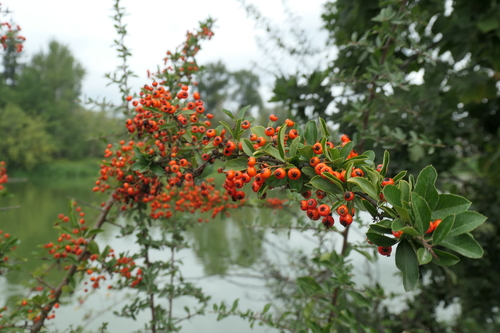
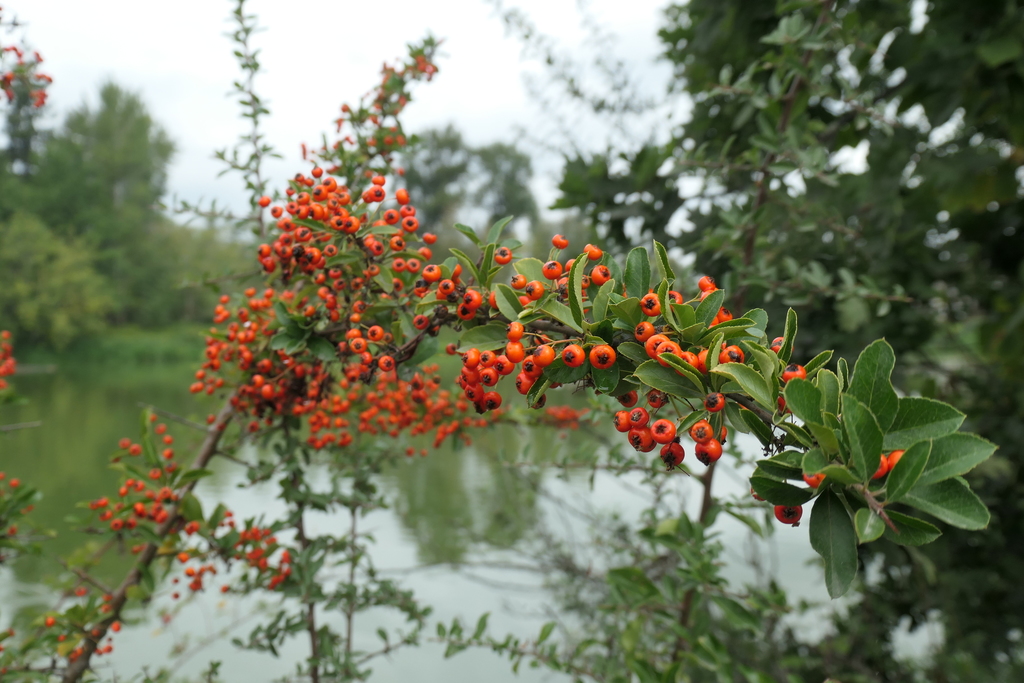
—observations
—countries
—peak records
Not EvaluatedConservation statusIUCN Red List categoriesLCNTVUENCREWEXNot Evaluated — not placed on the risk ladderRed List categories, explained →
Diet & preyAutotrophic
Predators
- Aphids
- Scale Insects
- Spider Mites
ThreatsFire blight bacterial infection, severe winter freezes
HabitatsThickets, scrubland, rocky slopes, hedges, gardens
Life span30–50 years
Classification
- OrderRosales
- FamilyRosaceae
- GenusPyracantha
- SpeciesPyracantha coccinea
Range data is not available yet.
Interaction riskHigh
- Low
- Moderate
- High
- Very high
- Why interaction risk is high
- Sharp thorns require careful handling, and wild berries have toxic look-alikes; never eat based on app identification alone.
Responsible observation
- Pruning Caution: Wear heavy-duty leather gloves and thick sleeves to protect against stiff, sharp thorns.
- Bird Attraction: Plant along walls or fences to provide secure nesting sites and winter food for songbirds.
- Light Requirements: Position in full sun to encourage maximum flower display and dense berry production.
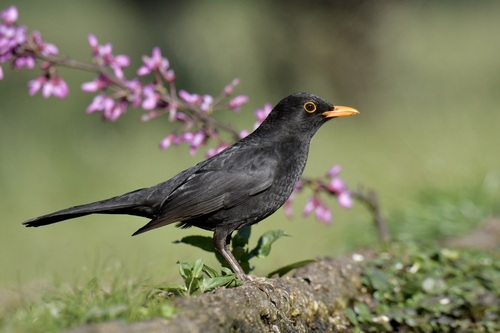
Seed Disperser (c) Luiz Lapa, some rights reserved (CC BY) · cc-by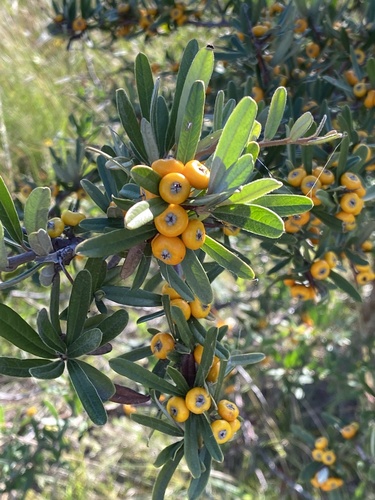
Close Relative no rights reserved, uploaded by Richard Fuller · cc0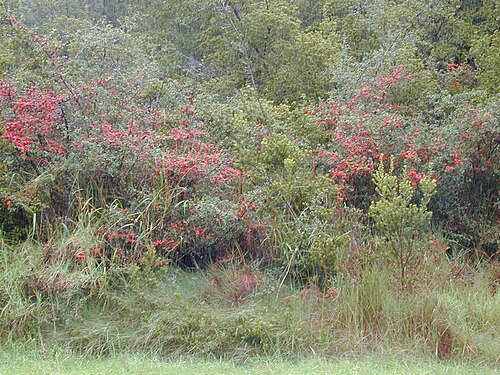
Close Relative Forest & Kim Starr / CC BY 3.0 · cc-by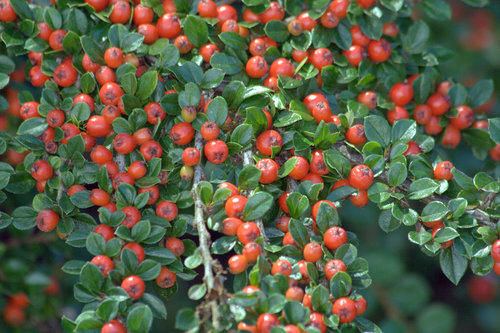
Family Member (c) M a n u e l, some rights reserved (CC BY-SA) · cc-by-sa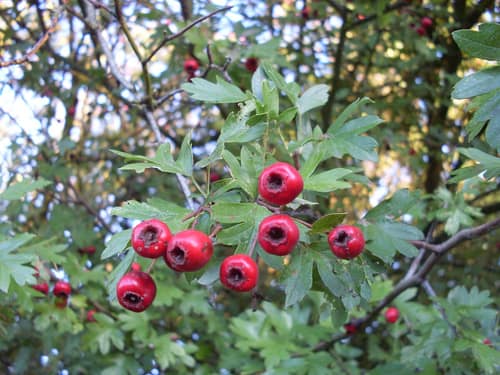
Close Relative Elstro / CC BY 3.0 · cc-by
Help improve the field guideSomething wrong?
Checking your Fauna account…Report a name, category, or profile issue for review.