
Plant · GBIF taxon 2986132
Spreading Gooseberry
Ribes divaricatumAlso known as Coast Black Gooseberry, Wild Gooseberry, Worcesterberry, Spreading-branched Gooseberry
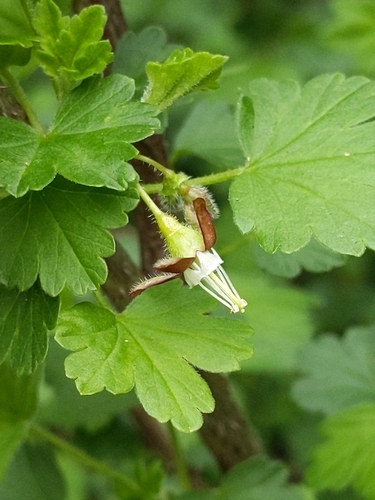
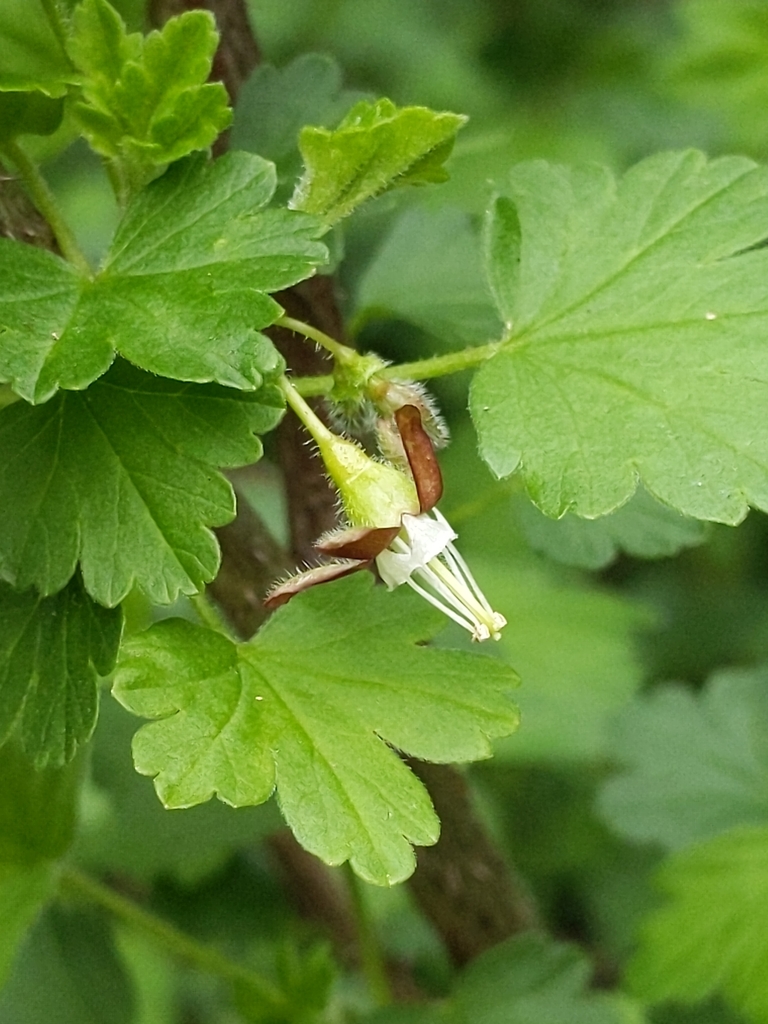
Spreading gooseberry forms dense, thorny shrubs featuring deeply lobed green leaves and distinct drooping flowers with backward-curving sepals and prominent stamens. In late summer, its dark purple-black berries ripen, attracting a variety of songbirds and small mammals that assist in seed dispersal. The stout nodal spines and scattered prickles along the stems protect it from large herbivores while providing safe nesting cover for birds.
NativeShrubThorny
 1 / 7
1 / 7—observations
—countries
—peak records
Least ConcernConservation statusIUCN Red List categoriesLCNTVUENCREWEXLeast ConcernRed List categories, explained →
Diet & prey
- Sunlight
- Water
- Soil nutrients
Predators
- Deer
- Browsing mammals
- Insect larvae
ThreatsHabitat loss, invasive species competition
HabitatsCoastal scrub, open woodlands, mixed forests, riverbanks
Life span20–50 years
Classification
- OrderSaxifragales
- FamilyGrossulariaceae
- GenusRibes
- SpeciesRibes divaricatum
Range data is not available yet.
Interaction riskLow
- Low
- Moderate
- High
- Very high
- Why interaction risk is low
- Wild berries have toxic look-alikes; never eat based on app identification alone.
Responsible observation
- Observation: Watch for hummingbirds visiting the hanging flowers in early spring.
- Handling: Wear thick gloves when navigating near bushes to avoid sharp nodal spines.
- Identification: Look for backward-curving calyx lobes and long protruding stamens.
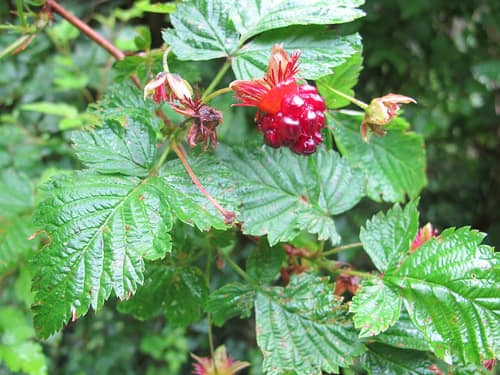
Frequent Companion Margalob / CC BY-SA 4.0 · cc-by-sa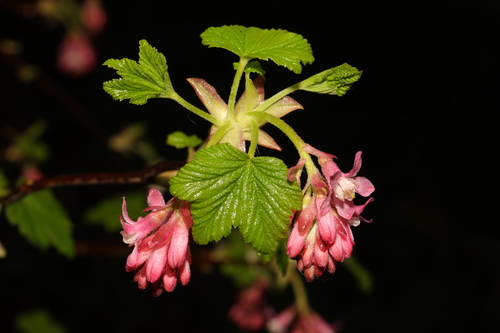
Close Relative no rights reserved · cc0 Image unavailable
Close Relative 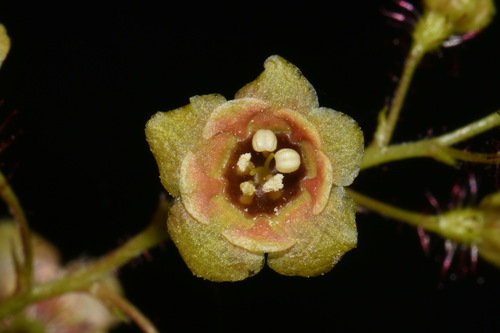
Close Relative (c) Brian Finzel, some rights reserved (CC BY-SA), uploaded by Brian Finzel · cc-by-sa
Help improve the field guideSomething wrong?
Checking your Fauna account…Report a name, category, or profile issue for review.