
Plant
Oakleaf Hydrangea
Hydrangea quercifoliaAlso known as Oak-leaved Hydrangea
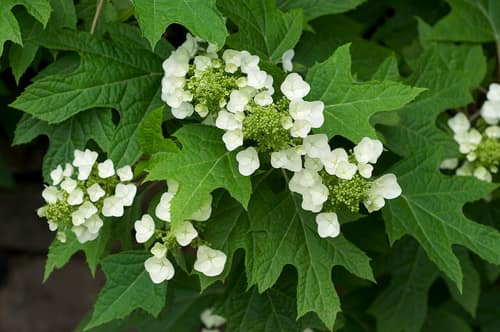
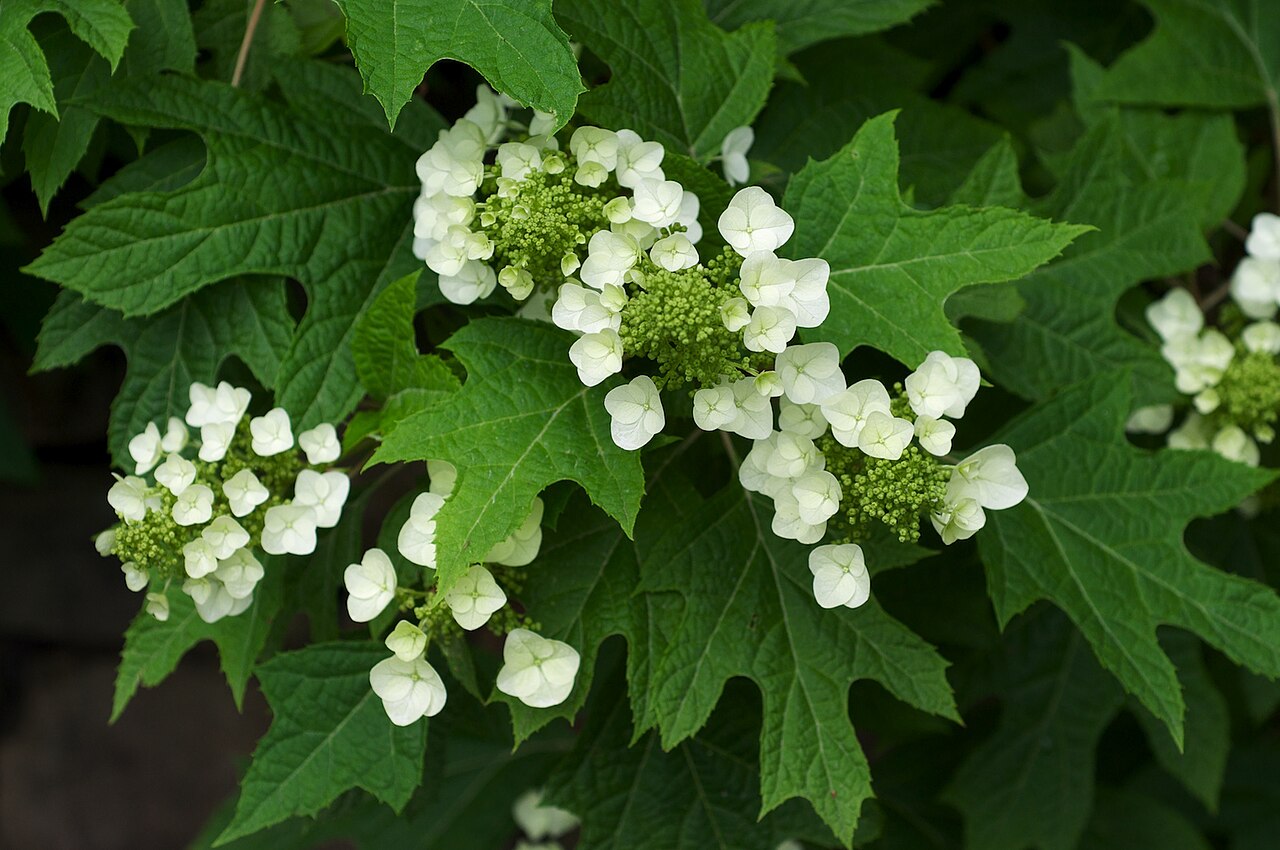
Oakleaf hydrangea is a deciduous shrub with large deeply lobed leaves and tall cones of white flowers that often age pink. Older stems peel in thin cinnamon-colored strips, adding texture after the foliage turns red and purple in autumn.
Woodland ShrubLobed LeavesFlower Panicle
—observations
—countries
—peak records
Not EvaluatedConservation statusIUCN Red List categoriesLCNTVUENCREWEXNot Evaluated — not placed on the risk ladderRed List categories, explained →
Diet & preyPhotosynthetic; roots absorb water and mineral nutrients from humus-rich soil
Predators
- Deer
- Slugs
- Leaf-feeding insects
ThreatsWoodland clearing, severe browsing, drought, root disturbance, and invasive vegetation
HabitatsWooded slopes, ravines, stream banks, limestone outcrops, forest edge, and shaded gardens
Life spanLong-lived woody perennial that can persist for several decades
Classification
- OrderCornales
- FamilyHydrangeaceae
- GenusHydrangea
- SpeciesHydrangea quercifolia
Range data is not available yet.
Interaction riskHigh
- Low
- Moderate
- High
- Very high
- Why interaction risk is high
- Hydrangea tissues contain cyanogenic compounds and should not be eaten or ingested by people or pets.
- Why it is dangerous
- Leaves, buds, and flowers contain cyanogenic glycosides that can cause vomiting and other poisoning when swallowed.
- How to recognize a risky encounter
- Combine large oaklike leaves with upright white flower panicles and peeling cinnamon bark on older stems.
- What to do
- Do not taste or brew any tissue, and keep cuttings and fallen material away from children and pets.
Responsible observation
- Leaves: Look for large blades divided into oaklike pointed lobes.
- Bark: Notice cinnamon-colored peeling strips on older stems.
- Protect: Leave wild shrubs uncut and keep pets from chewing foliage.
Help improve the field guideSomething wrong?
Checking your Fauna account…Report a name, category, or profile issue for review.