
Plant · GBIF taxon 2985949
Houseleek
Sempervivum tectorumAlso known as Common Houseleek, Hens and Chicks, Roof Houseleek, Old Man and Woman
Houseleeks form dense, symmetrical rosettes of pointed succulent leaves that store moisture to survive harsh alpine droughts. During midsummer, mature rosettes sprout tall central stalks capped with clusters of star-shaped pink blossoms before dying and leaving room for surrounding offsets. European folklore traditionally held that planting these hardy succulents on roofs shielded timber structures from lightning bolts and fire.
SucculentAlpineFlowering
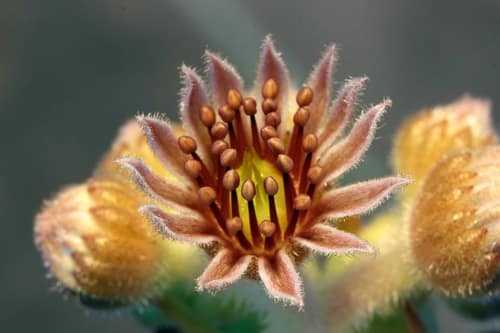
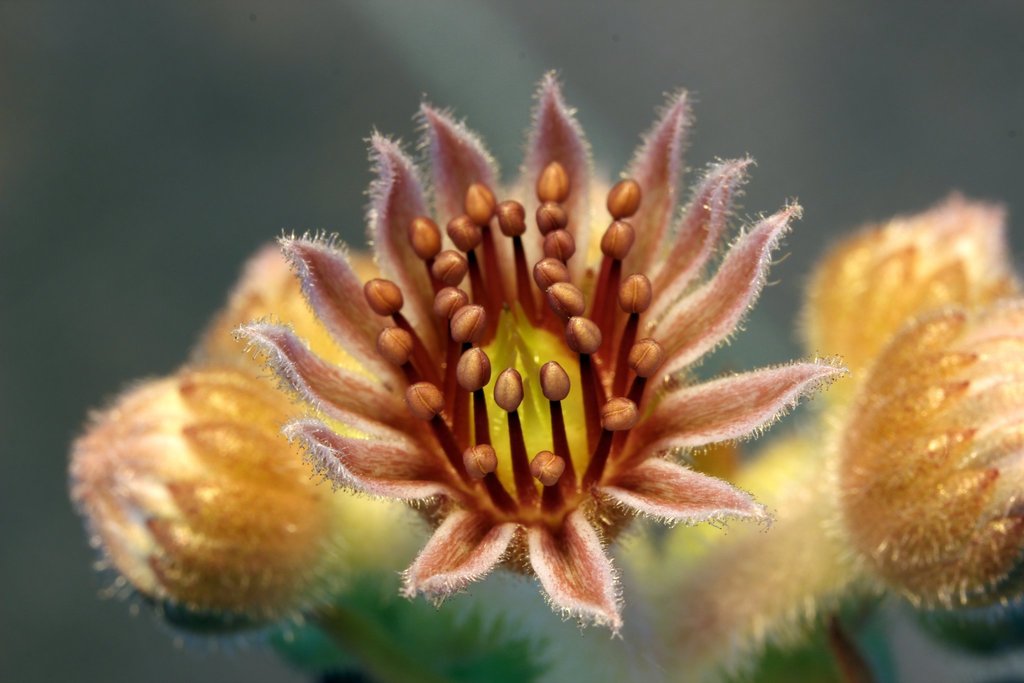 1 / 7
1 / 7—observations
—countries
—peak records
Not EvaluatedConservation statusIUCN Red List categoriesLCNTVUENCREWEXNot Evaluated — not placed on the risk ladderRed List categories, explained →
Diet & prey
- Autotrophic (Photosynthesis)
Predators
- Snails
- Slugs
- Vine weevils
ThreatsLocalized overcollection, habitat disturbance in native range
HabitatsRocky slopes, alpine crevices, stone walls, gravelly roofs
Life spanPerennial (individual rosettes live 3–5 years; colonies persist indefinitely)
Size / weightNot available
Classification
- OrderSaxifragales
- FamilyCrassulaceae
- GenusSempervivum
- SpeciesSempervivum tectorum
Range data is not available yet.
Interaction riskLow
- Low
- Moderate
- High
- Very high
- Why interaction risk is low
- Safe to observe at a normal distance.
Responsible observation
- Wall Spotting: Look for tight rosettes wedged into mortar cracks, dry stone walls, and gravel beds.
- Summer Blooms: Watch for tall, pink-flowered stalks rising from mature central rosettes in July and August.
- Colony Growth: Observe how mother rosettes produce surrounding clonal offsets via short runners.
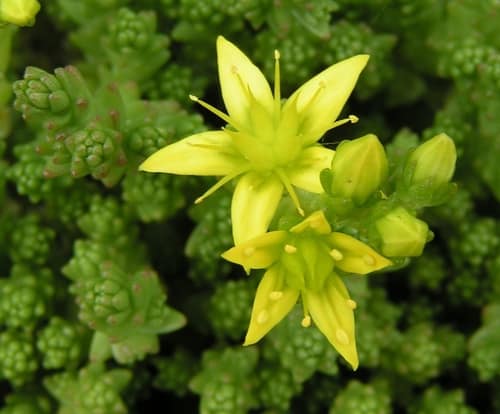
Frequent Companion (c) Sannse, some rights reserved (CC BY-SA) · cc-by-sa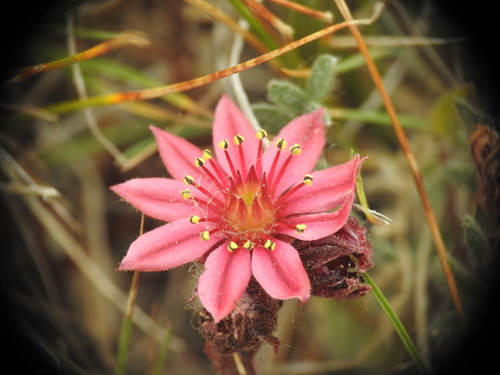
Close Relative (c) Yves Bas, some rights reserved (CC BY) · cc-by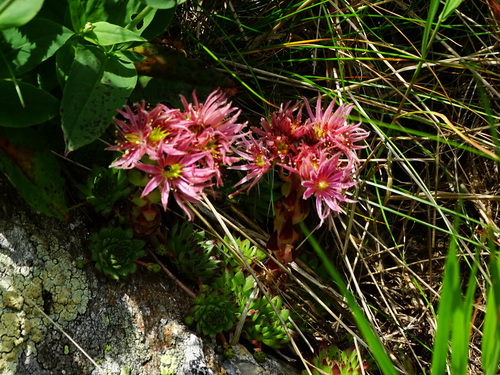
Close Relative (c) Christian Berg, some rights reserved (CC BY) · cc-by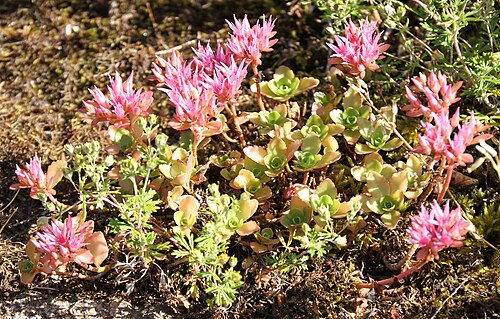
Family Member Bjoertvedt / CC BY-SA 4.0 · cc-by-sa
Help improve the field guideSomething wrong?
Checking your Fauna account…Report a name, category, or profile issue for review.