
Plant
Donkey Ears
Kalanchoe gastonis-bonnieriAlso known as Palm Beachbells, Donkey Ear Plant, Sprout Leaf Plant, Tree of Life
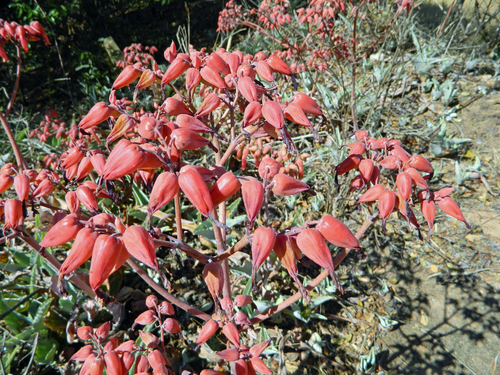
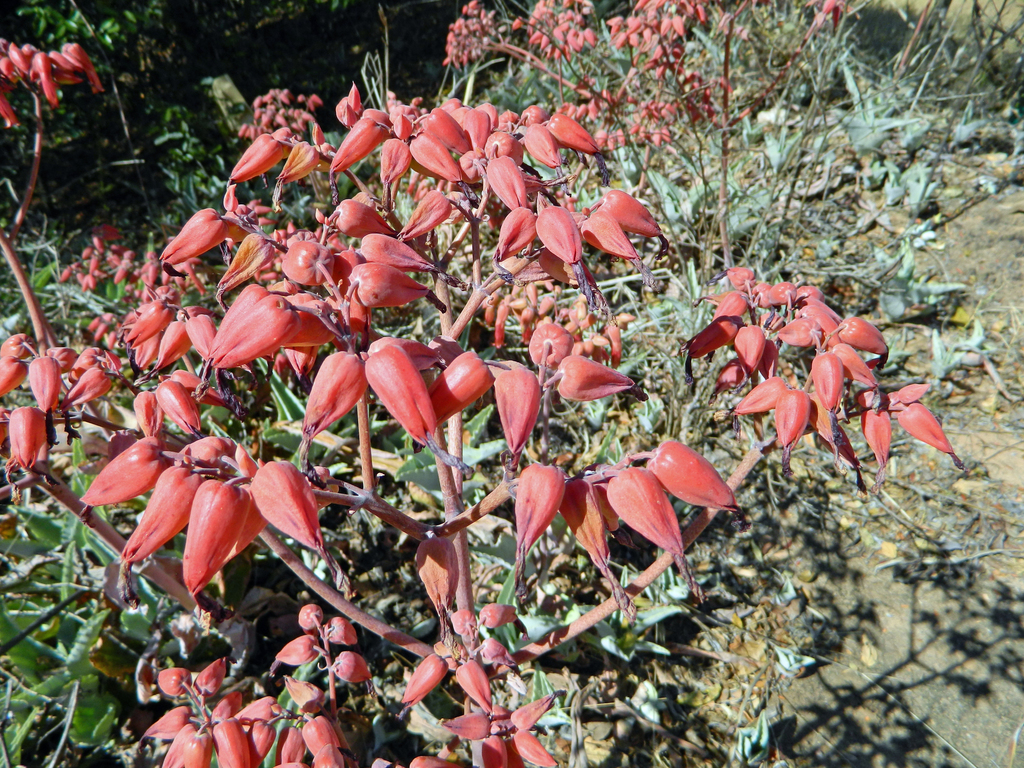
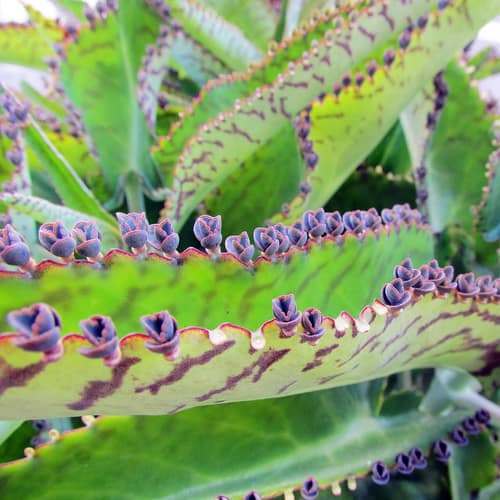
Donkey ears produce massive, powdery-white succulent leaves marked with purplish-brown splotches that arch downward like the ears of an animal. Leaf margins readily generate adventitious plantlets that drop to the ground and take root, allowing dense colonies to establish rapidly. After two to three years of growth, the central rosette sends up a tall terminal stalk of pale yellowish-salmon bell flowers before dying back.
SucculentFoliageDrought-Tolerant
—observations
—countries
—peak records
Not EvaluatedConservation statusIUCN Red List categoriesLCNTVUENCREWEXNot Evaluated — not placed on the risk ladderRed List categories, explained →
Diet & preyAutotrophic (photosynthetic)
Predators
- Mealybugs
- Snails
- Caterpillars
ThreatsHabitat clearing and agricultural expansion in native range
HabitatsLimestone rocks, arid ravines, and dry deciduous scrub
Life span2–4 years (monocarpic)
Classification
- OrderSaxifragales
- FamilyCrassulaceae
- GenusKalanchoe
- SpeciesKalanchoe gastonis-bonnieri
Range data is not available yet.
Interaction riskHigh
- Low
- Moderate
- High
- Very high
- Why interaction risk is high
- Contains cardiac glycosides toxic to dogs and cats if ingested; keep away from household pets.
- Why it is dangerous
- Contains bufadienolide cardiac glycosides that disrupt heart rhythm, trigger vomiting, and can cause fatal cardiac arrest in pets.
- How to recognize a risky encounter
- Look for large, elongated succulent leaves with a powdery white coating, purple mottling, and miniature plantlets along the tip edges.
- What to do
- Keep entirely away from dogs and cats, and wash hands after handling damaged foliage or pruning flower spikes.
Responsible observation
- Propagation: Gather the adventitious plantlets that sprout along mature leaf tips to root in moist gritty soil.
- Sunlight Care: Place in bright, direct sun to bring out vivid purplish spots and retain a compact rosetted form.
- Pet Safety: Keep potted specimens out of reach of indoor animals prone to chewing foliage.
Close Relative Gmihail at Serbian Wikipedia / CC BY-SA 3.0 rs · cc-by-sa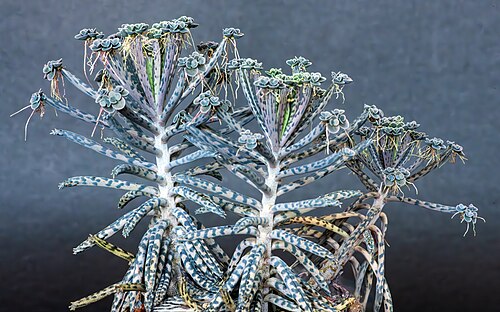
Close Relative Didier Descouens / CC BY-SA 4.0 · cc-by-sa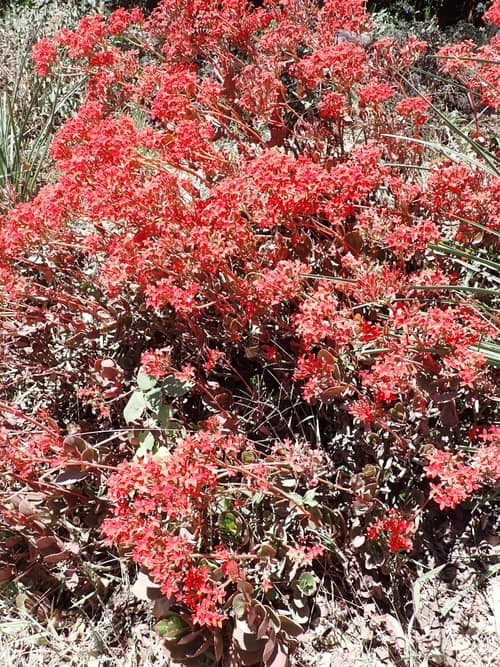
Close Relative (c) birdzilla, some rights reserved (CC BY) · cc-by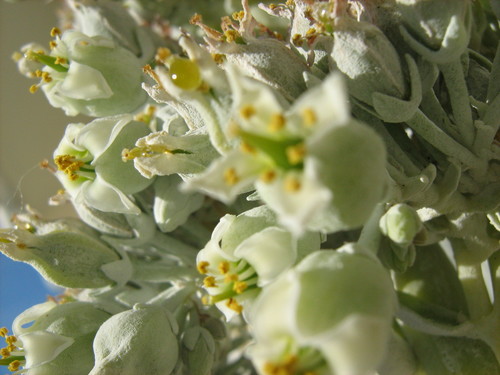
Close Relative (c) Samuel Brown, some rights reserved (CC BY), uploaded by Samuel Brown · cc-by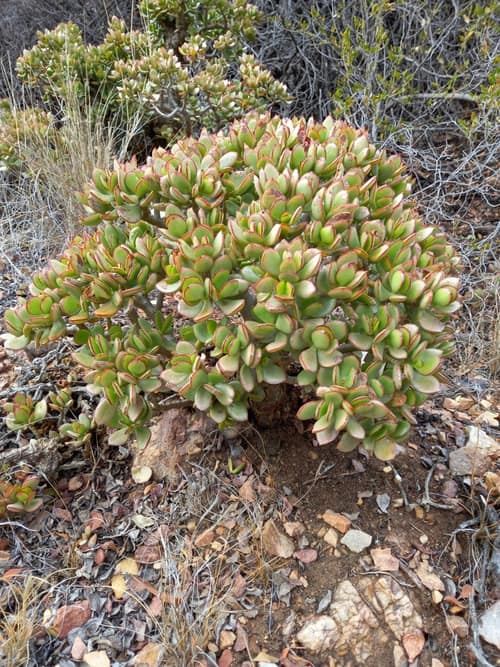
Same Family (c) Christiaan Viljoen, some rights reserved (CC BY) · cc-by
Help improve the field guideSomething wrong?
Checking your Fauna account…Report a name, category, or profile issue for review.