Also known as Christmas Kalanchoe, Florist Kalanchoe, Madagascar Widow's-Thrill
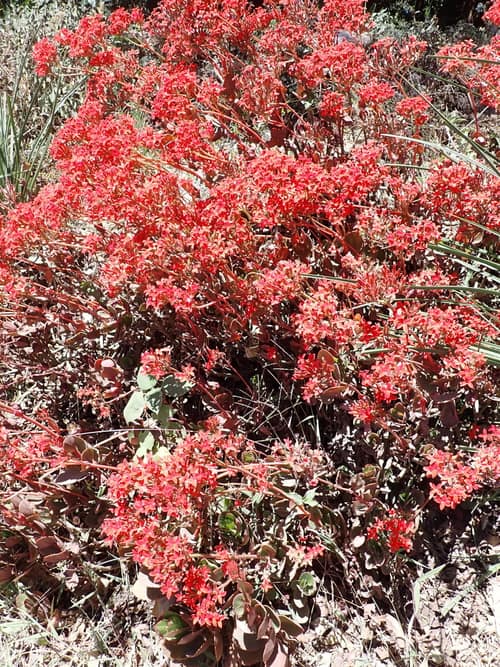
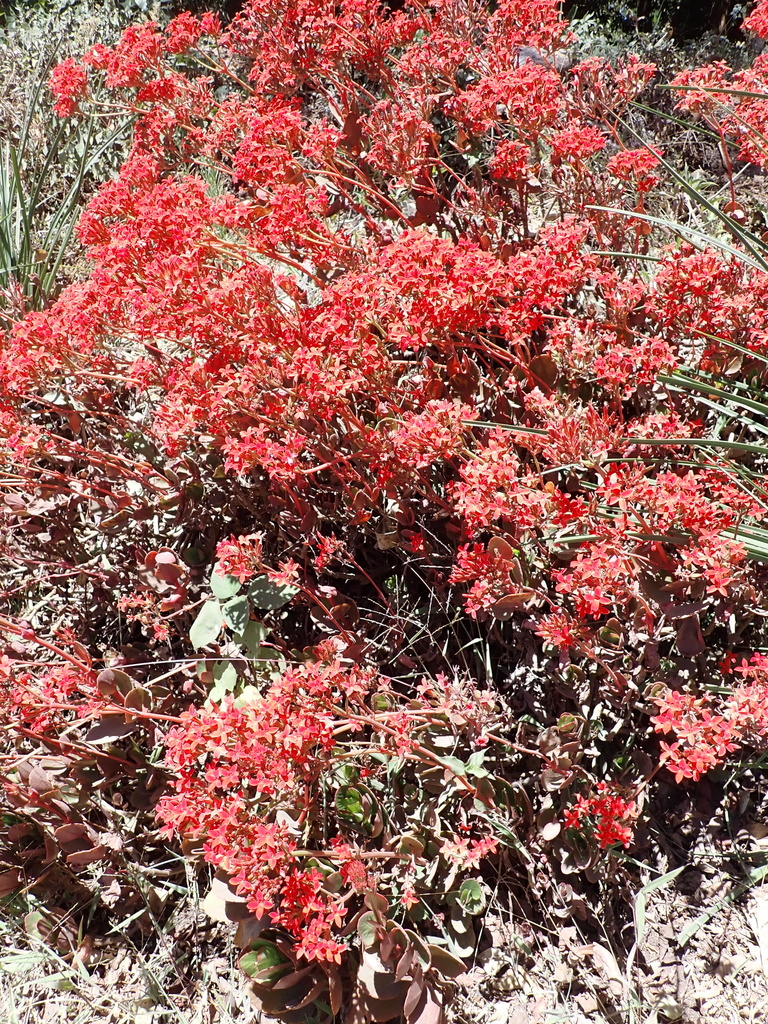
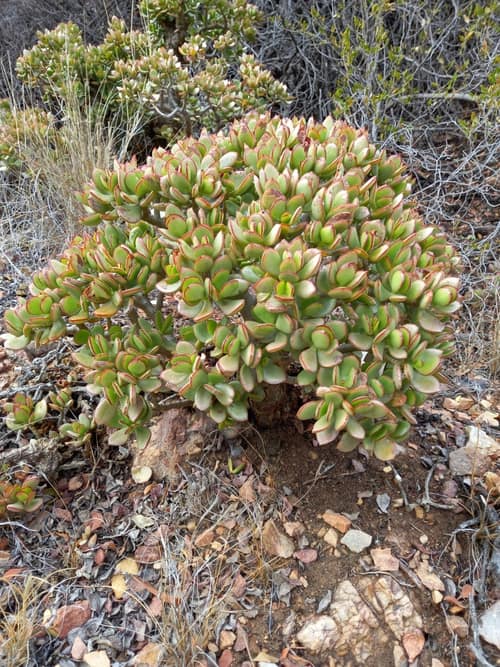
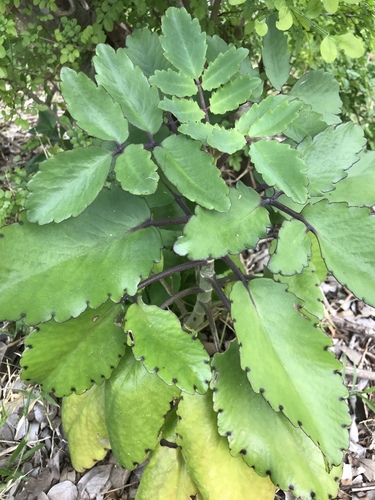
Flaming Katy forms tight cushions of thick, dark green leaves with scalloped edges that store water during dry spells. Dense, long-lasting clusters of small, four-petaled flowers burst into bloom across winter and early spring, ranging in color from deep scarlet to vivid yellow, pink, and orange. Native to the rocky mountain plateaus of northern Madagascar, it has become one of the most widely grown flowering houseplants across the globe.
Not EvaluatedConservation statusIUCN Red List categoriesLCNTVUENCREWEXNot Evaluated — not placed on the risk ladderRed List categories, explained →
Key facts
Diet & prey
Autotrophic (Photosynthesis)
Predators
Mealybugs
Vine weevils
Aphids
ThreatsHabitat degradation in wild populations; root rot in cultivation
HabitatsRocky slopes, arid scrublands, and cultivated interiors
Life span2–6 years
Size / weightNot available
Classification
OrderSaxifragales
FamilyCrassulaceae
GenusKalanchoe
SpeciesKalanchoe blossfeldiana
Range & activity
Range data is not available yet.
Safe observation
Interaction riskHigh
Low
Moderate
High
Very high
Why interaction risk is high
Contains cardiac glycosides toxic to pets if ingested; keep plants out of reach of cats and dogs.
Why it is dangerous
Contains bufadienolide cardiac glycosides that cause severe vomiting, diarrhea, drooling, and dangerous heart rate irregularities if chewed or eaten by dogs, cats, or humans.
How to recognize a risky encounter
Recognize by its smooth, thick scalloped leaves and dense, flat-topped clusters of vivid four-petaled flowers.
What to do
Position out of reach of curious pets, wash hands after trimming damaged stems, and seek prompt veterinary care if ingested.
Responsible observation
Light Needs: Place in bright, indirect sunlight to maintain vibrant foliage and dense flowering clusters.
Watering: Allow the top few centimeters of soil to dry out completely between waterings to avoid root rot.
Pruning: Trim off faded flower stalks near the base to keep the foliage neat and encourage secondary shoots.