
Plant · GBIF taxon 2984671
Common Box
Buxus sempervirensAlso known as European Box, Boxwood, American Boxwood, European Boxwood
Common box forms dense, slow-growing evergreen thickets featuring small, leathery, opposite leaves with a distinctive pungent aroma when warmed in the sun. In early spring, tiny pale yellow flowers bloom in leaf axils, providing an early nectar source for bees before maturing into small woody seed capsules. Celebrated for centuries in formal garden topiary, wild populations thrive on chalky slopes and limestone hillsides across southern and western Europe.
EvergreenShrubHedge
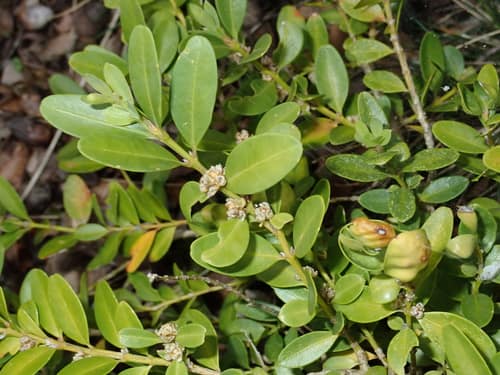
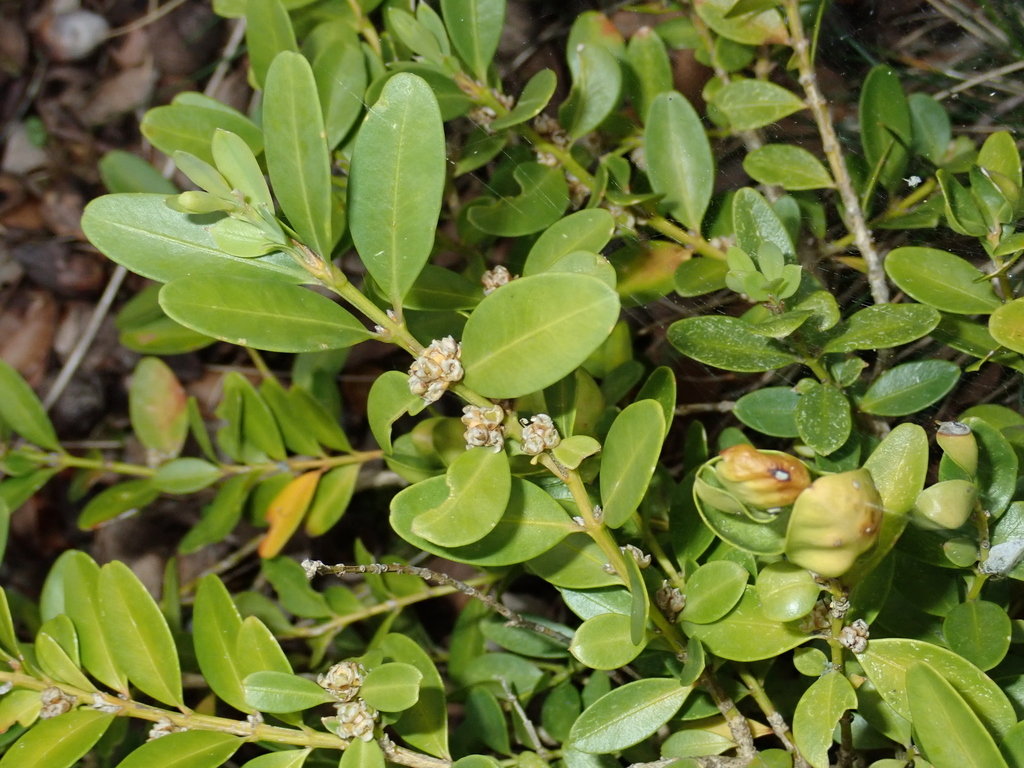 1 / 7
1 / 7—observations
—countries
—peak records
Least ConcernConservation statusIUCN Red List categoriesLCNTVUENCREWEXLeast ConcernRed List categories, explained →
Diet & prey
- Autotrophic (Photosynthetic)
Predators
- Box Tree Moth
- Boxwood Mite
- Boxwood Psyllid
ThreatsBox tree moth caterpillars, box blight fungal infection
HabitatsWoodlands, scrublands, chalk hillsides, gardens
Life span100–500 years
Size / weightNot available
Classification
- OrderBuxales
- FamilyBuxaceae
- GenusBuxus
- SpeciesBuxus sempervirens
Range data is not available yet.
Interaction riskHigh
- Low
- Moderate
- High
- Very high
- Why interaction risk is high
- All plant parts contain toxic alkaloids; keep away from children and pets and never ingest.
- Why it is dangerous
- Contains toxic steroidal alkaloids such as buxine, which cause severe vomiting, diarrhea, lethargy, and cramping if swallowed.
- How to recognize a risky encounter
- Recognizable by small, opposite, dark green oval leaves with a leathery texture and a unique earthy scent.
- What to do
- Wear gloves when pruning to avoid skin irritation, and keep trimmed foliage far out of reach of pets and livestock.
Responsible observation
- Pruning: Trim during late spring or early summer to maintain shape and encourage dense growth.
- Pest Control: Inspect leaf undersides regularly for green-and-black box tree moth caterpillars.
- Air Flow: Plant with sufficient spacing to reduce humidity and lower the risk of box blight.
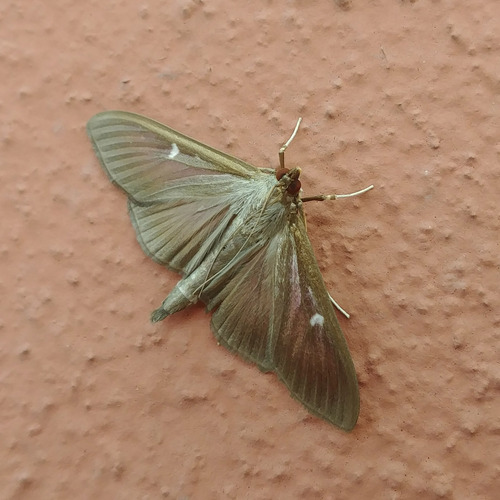
Parasite (c) nbasargin, some rights reserved (CC BY) · cc-by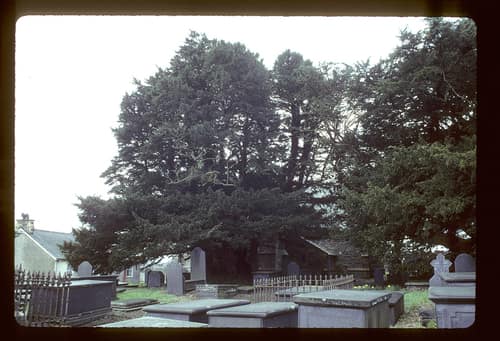
Frequent Companion (c) Douglas Goldman, some rights reserved (CC BY-SA), uploaded by Douglas Goldman · cc-by-sa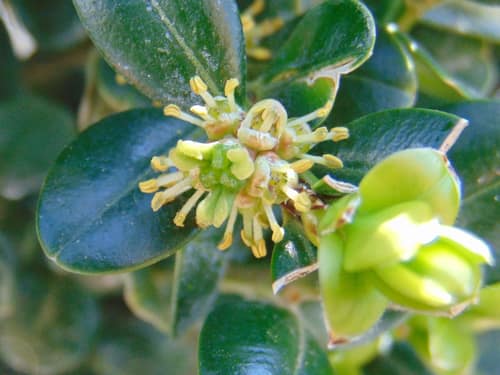
Close Relative no rights reserved, uploaded by viridian · cc0
Help improve the field guideSomething wrong?
Checking your Fauna account…Report a name, category, or profile issue for review.