
Plant · GBIF taxon 2984532
Japanese Zelkova
Zelkova serrataAlso known as Keyaki, Japanese Elm
Japanese zelkovas are medium to large deciduous trees prized for their graceful, vase-shaped crown and dense upright branching. In autumn, their oblong, sharply saw-toothed leaves transform from deep green into striking shades of yellow, copper, orange, and maroon. Widely planted in urban landscapes as a hardy alternative to elms, wild populations in East Asia play an important ecological role in temperate river valleys and hillside forests.
DeciduousOrnamentalUrban Tree
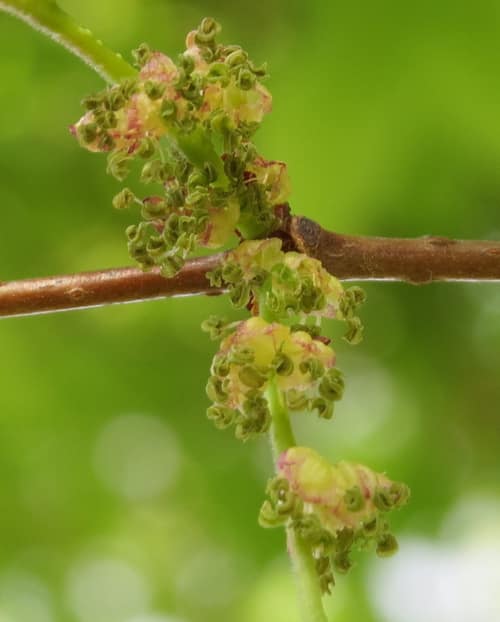
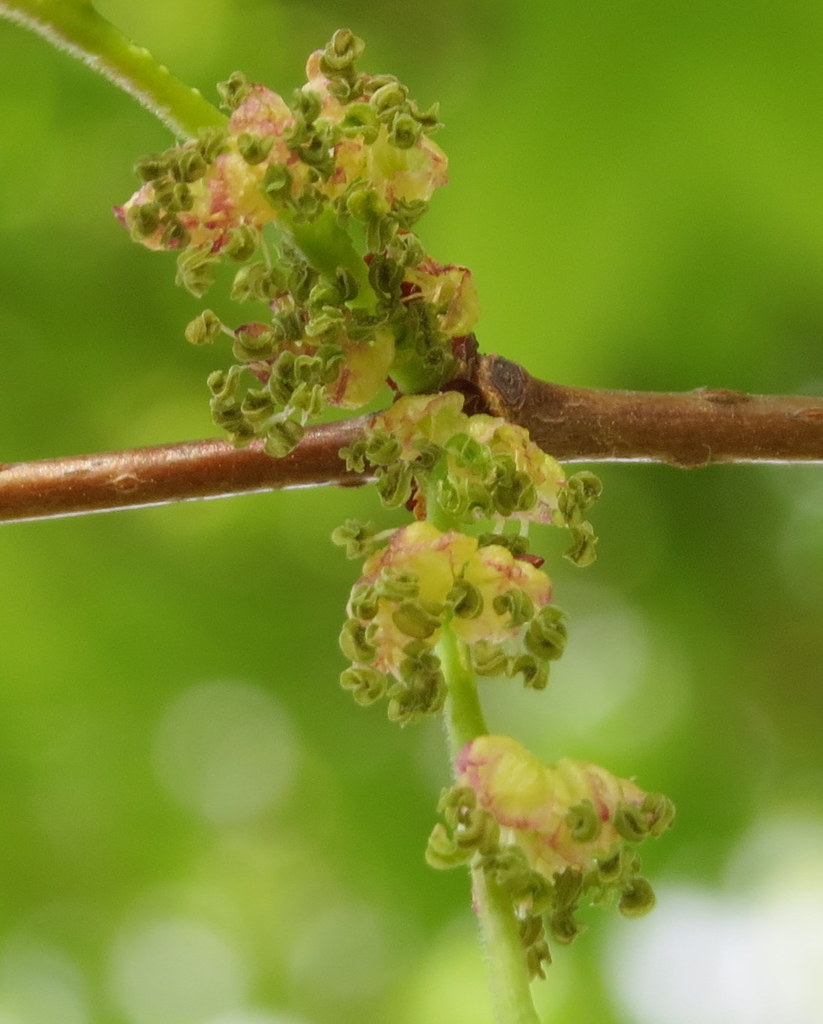
—observations
—countries
—peak records
Near ThreatenedConservation statusIUCN Red List categoriesLCNTVUENCREWEXNear ThreatenedRed List categories, explained →
Diet & prey
- Autotrophic (Photosynthesis)
Predators
Not available
ThreatsHabitat fragmentation, logging in wild range, localized fungal diseases
HabitatsTemperate deciduous forests, river valleys, urban parks, streetscapes
Life span150–300 years
Size / weightNot available
Classification
- OrderRosales
- FamilyUlmaceae
- GenusZelkova
- SpeciesZelkova serrata
Range data is not available yet.
Interaction riskLow
- Low
- Moderate
- High
- Very high
- Why interaction risk is low
- Safe to observe at a normal distance.
- What to notice
- Recognized by its classic vase shape, saw-toothed leaves, and grey bark that flakes to reveal orange inner bark.
- Support conservation
- Avoid peeling bark or breaking branches when observing specimens in natural settings.
Responsible observation
- Urban Spotting: Look for its distinct vase-like silhouette and smooth grey bark that flakes off with age.
- Leaf Identification: Examine the coarse serrations along the leaf edges, each tip ending in a fine point.
- Seasonal Observation: Visit in late autumn to appreciate the rich variety of orange and maroon foliage colors.
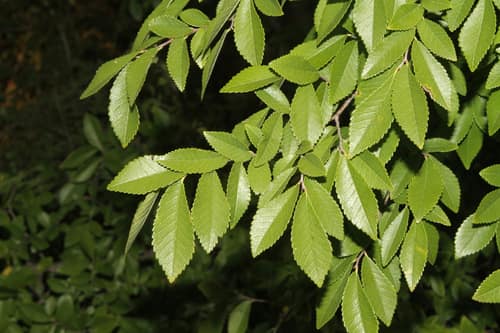
Family Relative (c) Reid Hardin, some rights reserved (CC BY), uploaded by Reid Hardin · cc-by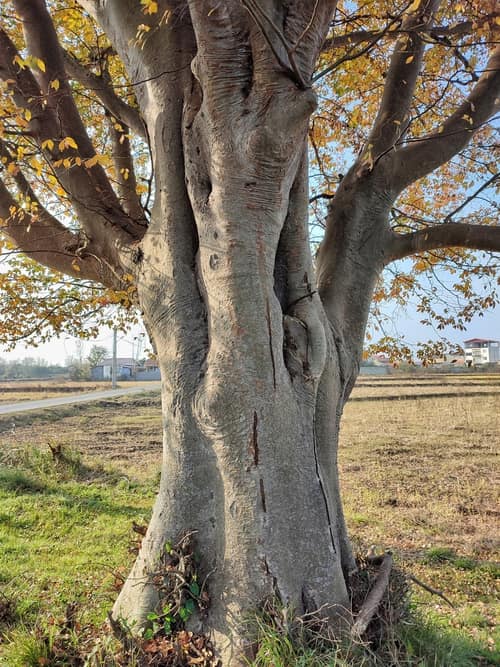
Close Relative (c) Emad Tahaei, some rights reserved (CC BY), uploaded by Emad Tahaei · cc-by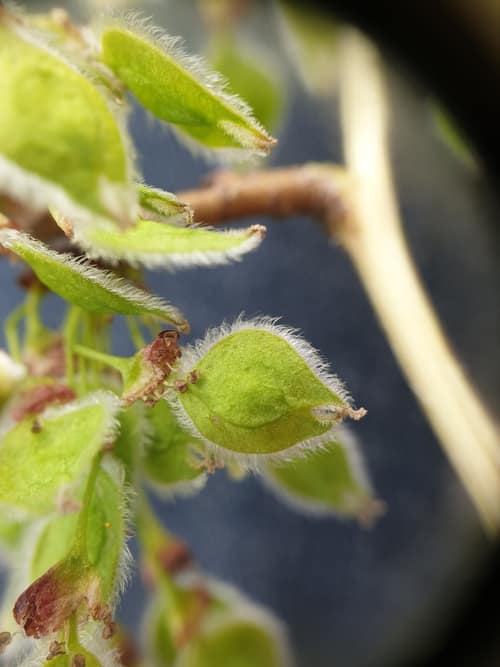
Family Relative no rights reserved, uploaded by Étienne Lacroix-Carignan · cc0
Help improve the field guideSomething wrong?
Checking your Fauna account…Report a name, category, or profile issue for review.