
Plant
Nettle Tree
Celtis australisAlso known as European Hackberry, Mediterranean Hackberry, Lote Tree, Southern Nettle Tree
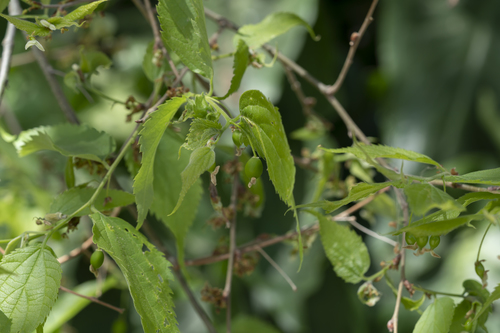
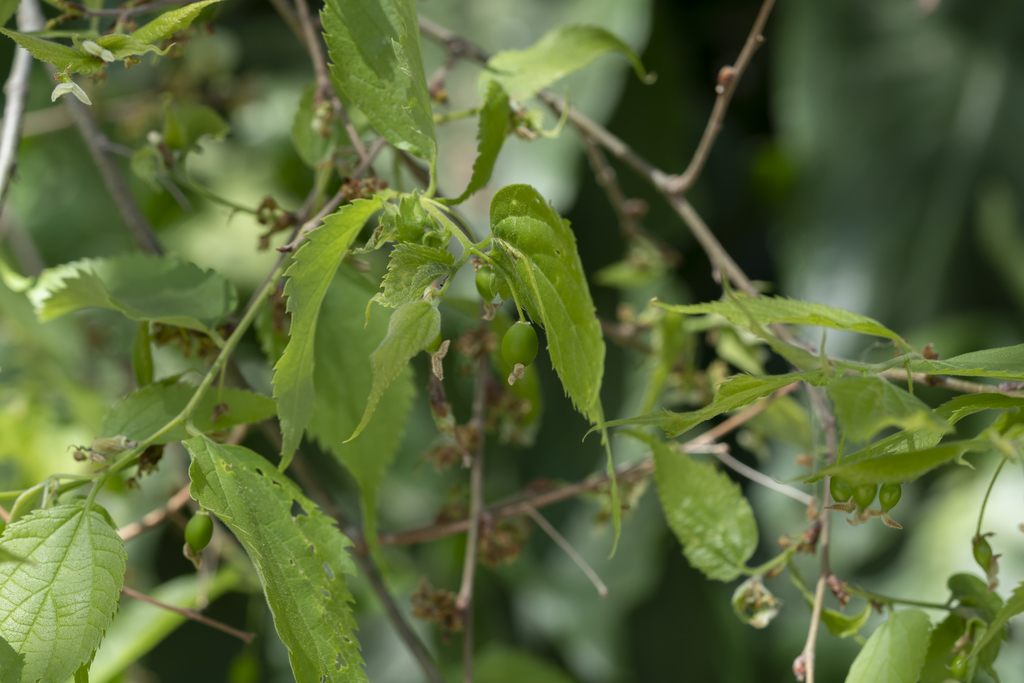
European nettle trees are rugged, long-lived deciduous broadleaves prized throughout the Mediterranean for their smooth, beech-like grey bark and dense rounded crowns. In late summer, small greenish flowers mature into dark purple, globose drupes held on slender stalks that persist well after autumn leaf drop. Their deep, expansive root systems stabilize rocky slopes and dry hillsides, providing crucial erosion control and shelter for woodland wildlife.
DeciduousTreeDrought-Tolerant
—observations
—countries
—peak records
Least ConcernConservation statusIUCN Red List categoriesLCNTVUENCREWEXLeast ConcernRed List categories, explained →
Diet & preySunlight, Water, Soil Nutrients
Predators
- Hackberry Gall Mite
- Goat
- Wood-boring Beetle
ThreatsHabitat clearance, severe prolonged droughts, and localized urban development
HabitatsMediterranean woodlands, rocky slopes, riverbanks, and urban greenspaces
Life span500–1000 years
Classification
- OrderRosales
- FamilyCannabaceae
- GenusCeltis
- SpeciesCeltis australis
Range data is not available yet.
Interaction riskLow
- Low
- Moderate
- High
- Very high
- Why interaction risk is low
- Wild berries have toxic look-alikes; never eat based on app identification alone.
Responsible observation
- Bark inspection: Examine mature trunks for smooth, silver-grey bark resembling European beech.
- Leaf identification: Check the leaves for a distinctly asymmetrical base and coarse forward-pointing teeth.
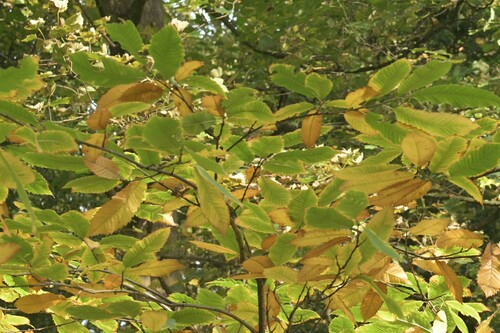
Frequent Companion no rights reserved · cc0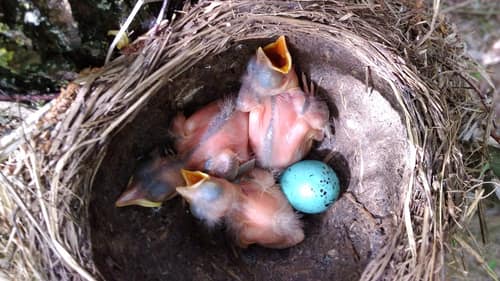
Disperser (c) Вячеслав Юсупов, some rights reserved (CC BY), uploaded by Вячеслав Юсупов · cc-by Image unavailable
Herbivore 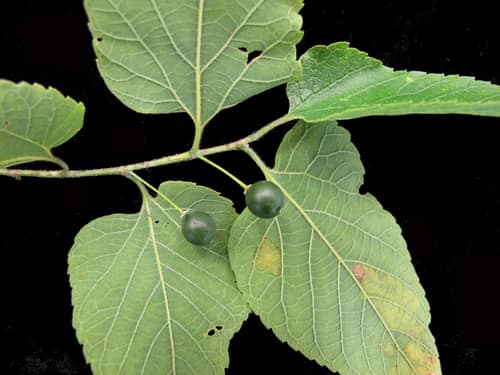
Close Relative (c) Ayotte, Gilles, 1948-, some rights reserved (CC BY-SA) · cc-by-sa
Help improve the field guideSomething wrong?
Checking your Fauna account…Report a name, category, or profile issue for review.