
Plant · GBIF taxon 2984491
Sugar Hackberry
Celtis laevigataAlso known as Sugarberry, Southern Hackberry, Lowland Hackberry, Texas Hackberry
Sugar hackberry trees dominate southern floodplains with smooth gray bark covered in distinctive, corky warts and ridges. Dense clusters of small, fleshy reddish-purple drupes ripen in autumn and persist into winter, providing a critical cold-weather food source for songbirds. Its flexible branches and dense foliage also serve as the primary larval host for several butterfly species, including the hackberry emperor.
Native TreeWildlife HostDeciduous
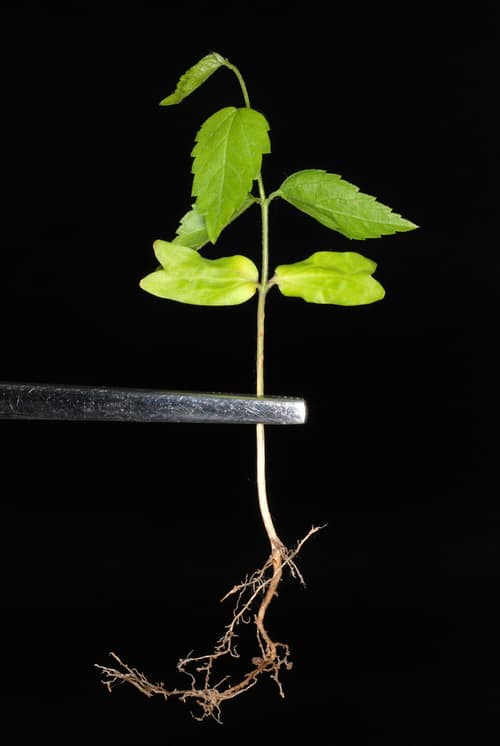
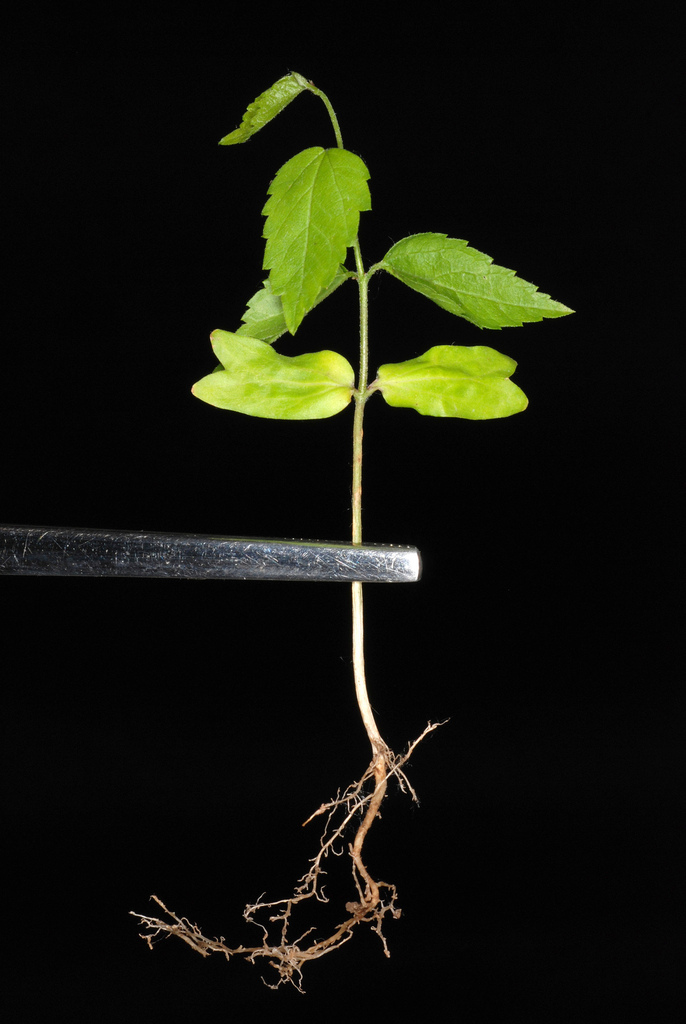 1 / 7
1 / 7—observations
—countries
—peak records
Least ConcernConservation statusIUCN Red List categoriesLCNTVUENCREWEXLeast ConcernRed List categories, explained →
Diet & prey
- Autotrophic (Photosynthetic)
Predators
- Hackberry Emperor Caterpillars
- White-tailed Deer
- Eastern Gray Squirrel
ThreatsHabitat loss, mistletoe parasitism, heart rot fungi
HabitatsFloodplains, bottomland forests, stream banks, moist woods
Life span100–150 years
Classification
- OrderRosales
- FamilyCannabaceae
- GenusCeltis
- SpeciesCeltis laevigata
Range data is not available yet.
Interaction riskLow
- Low
- Moderate
- High
- Very high
- Why interaction risk is low
- Wild berries have toxic look-alikes; never eat based on app identification alone.
Responsible observation
- Bark Inspection: Look for smooth gray bark studded with distinctive, corky warts and ridges.
- Leaf Distinction: Check leaf margins; sugar hackberry leaves are mostly smooth, unlike common hackberry.
- Butterfly Spotting: Scan foliage in spring for caterpillars of the hackberry emperor butterfly.
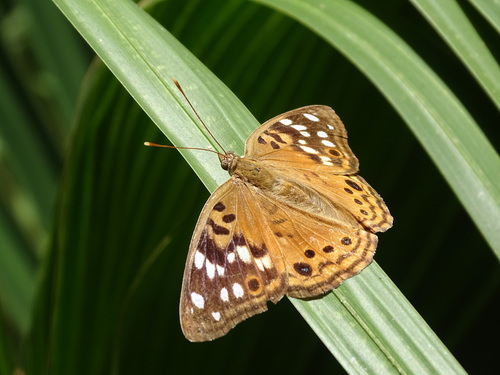
Host Plant no rights reserved · cc0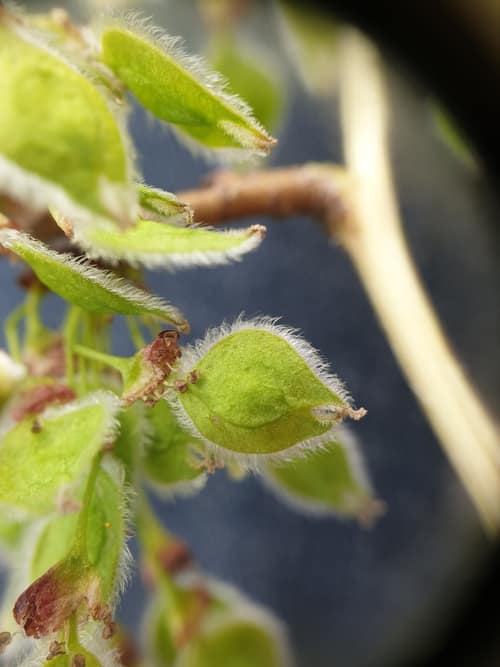
Frequent Companion no rights reserved, uploaded by Étienne Lacroix-Carignan · cc0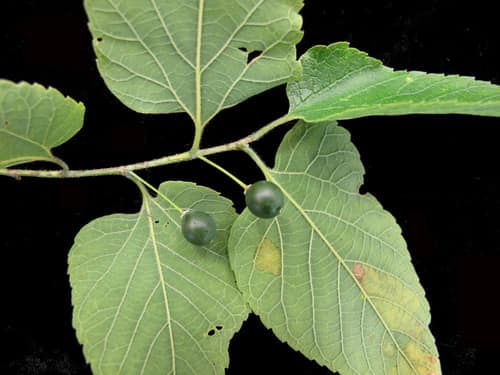
Close Relative (c) Ayotte, Gilles, 1948-, some rights reserved (CC BY-SA) · cc-by-sa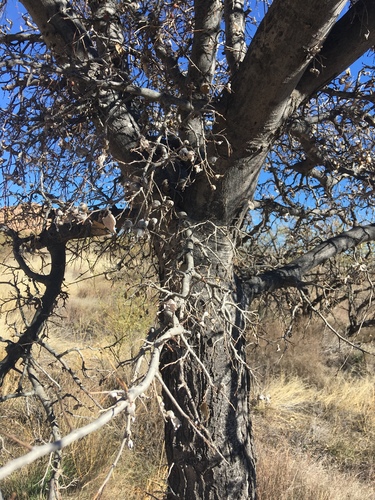
Close Relative (c) Jacob Malcom, some rights reserved (CC BY-SA), uploaded by Jacob Malcom · cc-by-sa
Help improve the field guideSomething wrong?
Checking your Fauna account…Report a name, category, or profile issue for review.