
Plant · GBIF taxon 2984481
Common Hackberry
Celtis occidentalisAlso known as Northern Hackberry, American Hackberry, Nettletree, Beaverwood
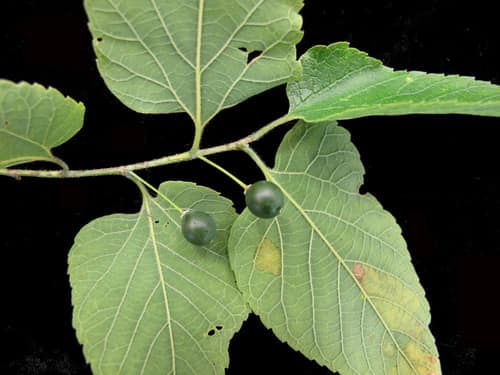
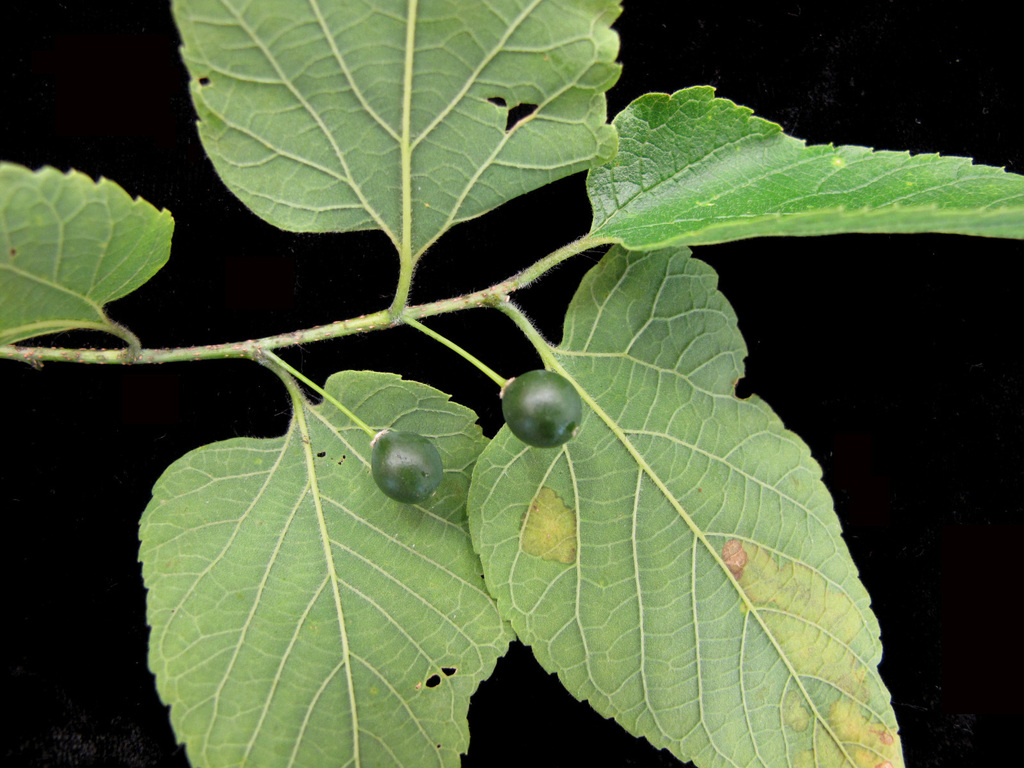
Common hackberries feature unmistakable light grey bark covered in prominent, corky, wart-like ridges. Their asymmetric, coarsely toothed leaves support the larvae of several specialized butterflies, including the hackberry emperor and tawny emperor. Small reddish-purple drupes mature in autumn, providing a critical winter food source for resident and migratory birds.
TreeDeciduousNative
—observations
—countries
—peak records
Least ConcernConservation statusIUCN Red List categoriesLCNTVUENCREWEXLeast ConcernRed List categories, explained →
Diet & prey
- Autotrophic
Predators
- Hackberry Nipplegall Psyllid
- Hackberry Emperor Caterpillars
- White-Tailed Deer
ThreatsWitches'-broom disease, timber clearing, urban soil compaction
HabitatsFloodplains, riverbanks, rich bottomland forests, rocky limestone slopes
Life span150–200 years
Size / weightNot available
Classification
- OrderRosales
- FamilyCannabaceae
- GenusCeltis
- SpeciesCeltis occidentalis
Range data is not available yet.
Interaction riskLow
- Low
- Moderate
- High
- Very high
- Why interaction risk is low
- Wild berries have toxic look-alikes; never eat based on app identification alone.
Responsible observation
- Bark Identification: Look for distinctive, rough, corky ridges that resemble miniature mountain ranges.
- Leaf Check: Examine leaf bases, which are uniquely unequal or lopsided on each side of the stem.
- Wildlife Viewing: Watch for hackberry emperor butterflies basking on the grey trunk in midsummer.
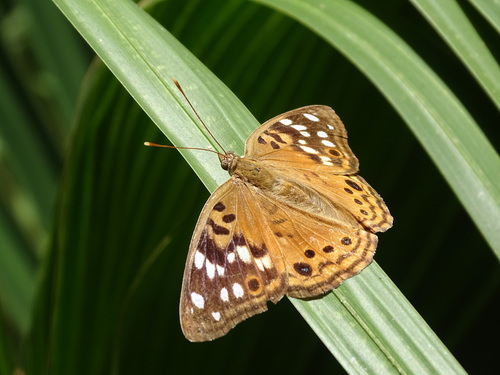
Host Plant Consumer no rights reserved · cc0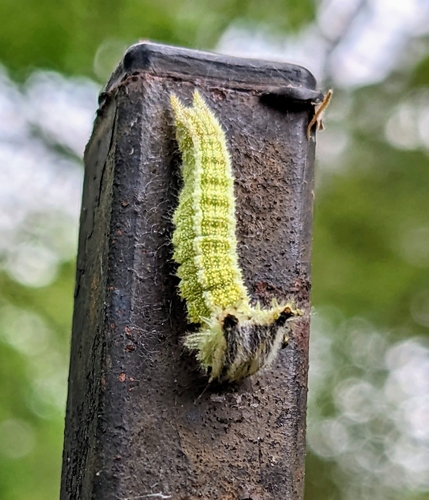
Host Plant Consumer (c) Ainsley, some rights reserved (CC BY) · cc-by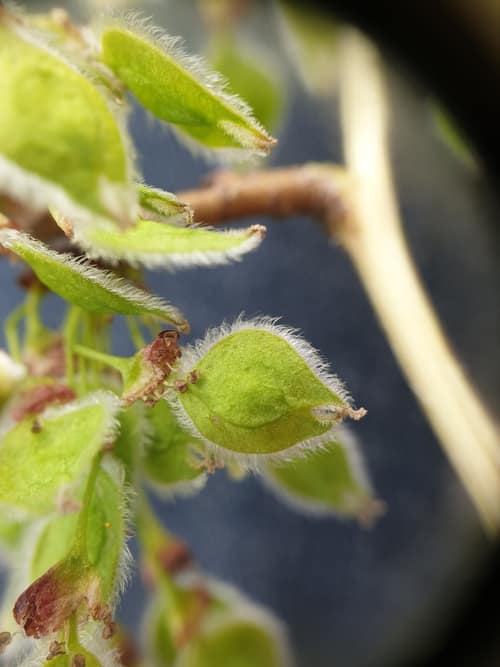
Ecological Associate no rights reserved, uploaded by Étienne Lacroix-Carignan · cc0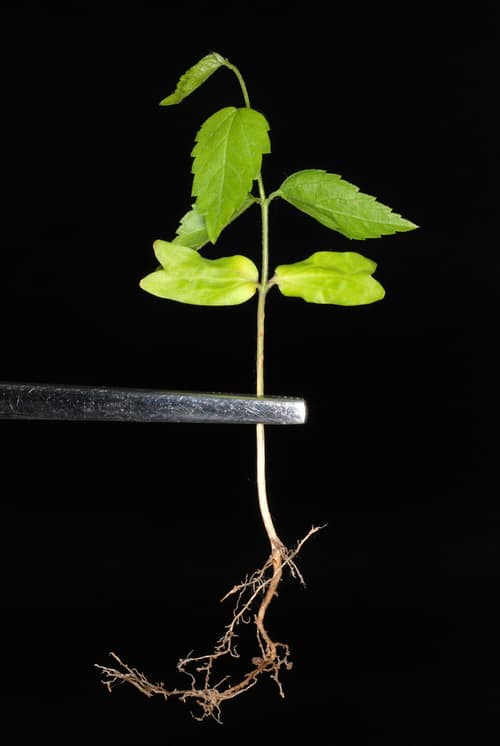
Close Relative (c) Douglas Goldman, some rights reserved (CC BY-SA), uploaded by Douglas Goldman · cc-by-sa
Help improve the field guideSomething wrong?
Checking your Fauna account…Report a name, category, or profile issue for review.