
Plant
False Nettle
Boehmeria cylindricaAlso known as Bog Hemp, Small-Spike False Nettle
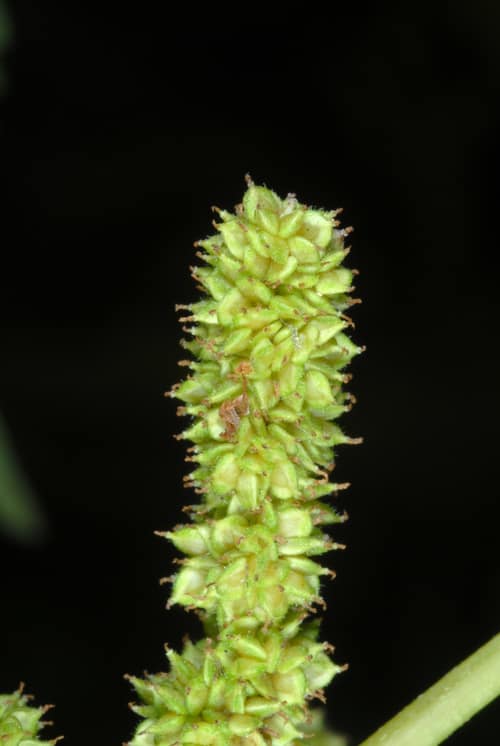
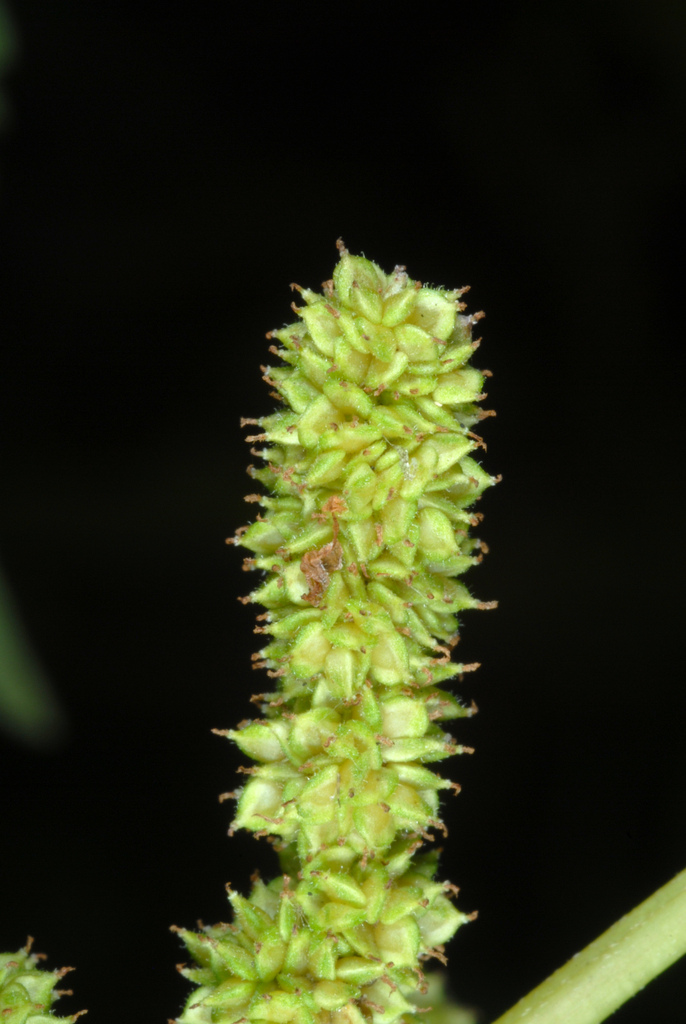
False nettle thrives in shaded, soggy soils along streams, river bottoms, and marsh edges across the Americas. While visually mirroring stinging nettle with its opposite, sharply toothed leaves and dense greenish flower spikes, it completely lacks stinging hairs. It serves as an essential larval host plant for several nymphalid butterflies, including the red admiral and question mark.
WetlandNativeHost Plant
—observations
—countries
—peak records
Least ConcernConservation statusIUCN Red List categoriesLCNTVUENCREWEXLeast ConcernRed List categories, explained →
Diet & preyAutotrophic (Photosynthetic)
Predators
- Red Admiral Caterpillar
- Question Mark Caterpillar
- Mammalian Herbivores
ThreatsWetland drainage, invasive plant competition
HabitatsWet meadows, swamps, floodplain forests, stream banks
Life spanPerennial
Classification
- OrderRosales
- FamilyUrticaceae
- GenusBoehmeria
- SpeciesBoehmeria cylindrica
Range data is not available yet.
Interaction riskLow
- Low
- Moderate
- High
- Very high
- Why interaction risk is low
- Safe to observe at a normal distance.
Responsible observation
- Identification: Look for opposite, serrated leaves and greenish spike-like flower clusters without stinging hairs.
- Habitat Spotting: Search along damp trail edges, stream borders, and marshy woods.
- Butterfly Spotting: Examine the foliage during summer to find feeding caterpillars.
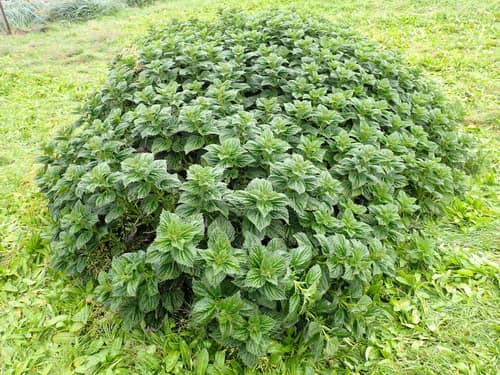
Look-Alike no rights reserved, uploaded by georgiasteel · cc0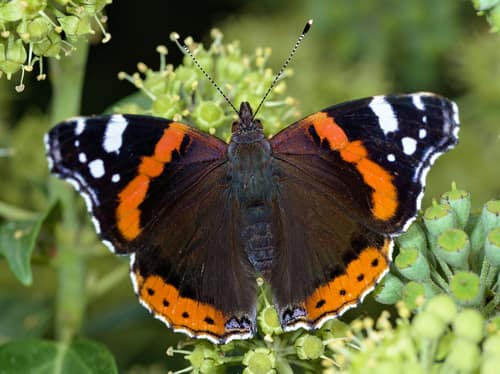
Herbivore (c) Gilles San Martin, some rights reserved (CC BY-SA), uploaded by Gilles San Martin · cc-by-sa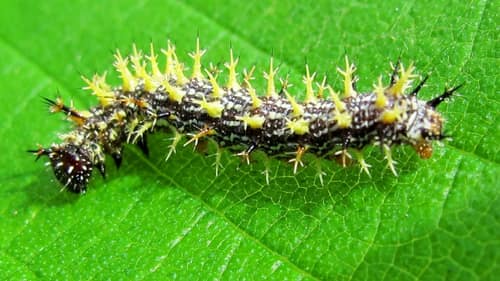
Herbivore (c) Ilona, some rights reserved (CC BY-SA), uploaded by Ilona · cc-by-sa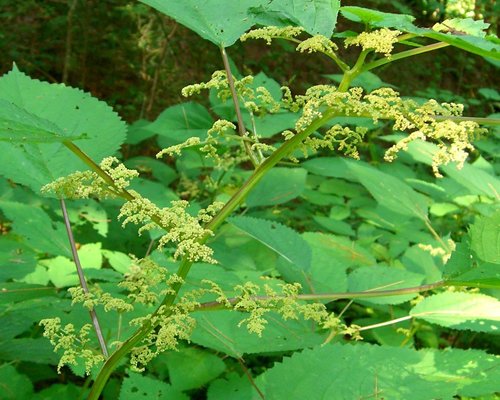
Close Relative (c) Jason Hollinger, some rights reserved (CC BY) · cc-by
Help improve the field guideSomething wrong?
Checking your Fauna account…Report a name, category, or profile issue for review.