
Plant
Black Wattle
Acacia mearnsiiAlso known as Late Black Wattle, Green Wattle
Black wattles are fast-growing evergreen trees known for their feathery, finely divided bipinnate foliage and clouds of fragrant, cream-to-pale-yellow spherical flower heads in late spring. As nitrogen-fixing legumes, they rapidly colonize open ground after bushfires, producing hard-coated seeds that can lie dormant in the soil for decades before germinating. Native to south-eastern Australia, the tree has been planted worldwide for its tannin-rich bark and timber, becoming a widespread invasive species in parts of Africa, Asia, and the Americas.
EvergreenNitrogen-FixingFragrant
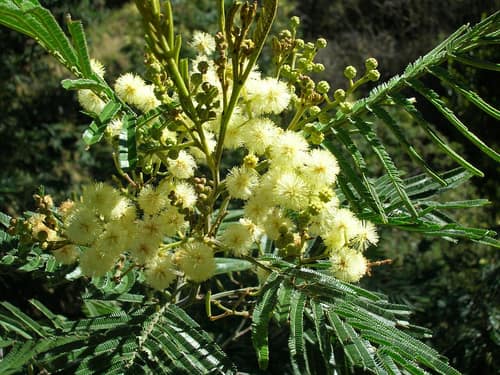
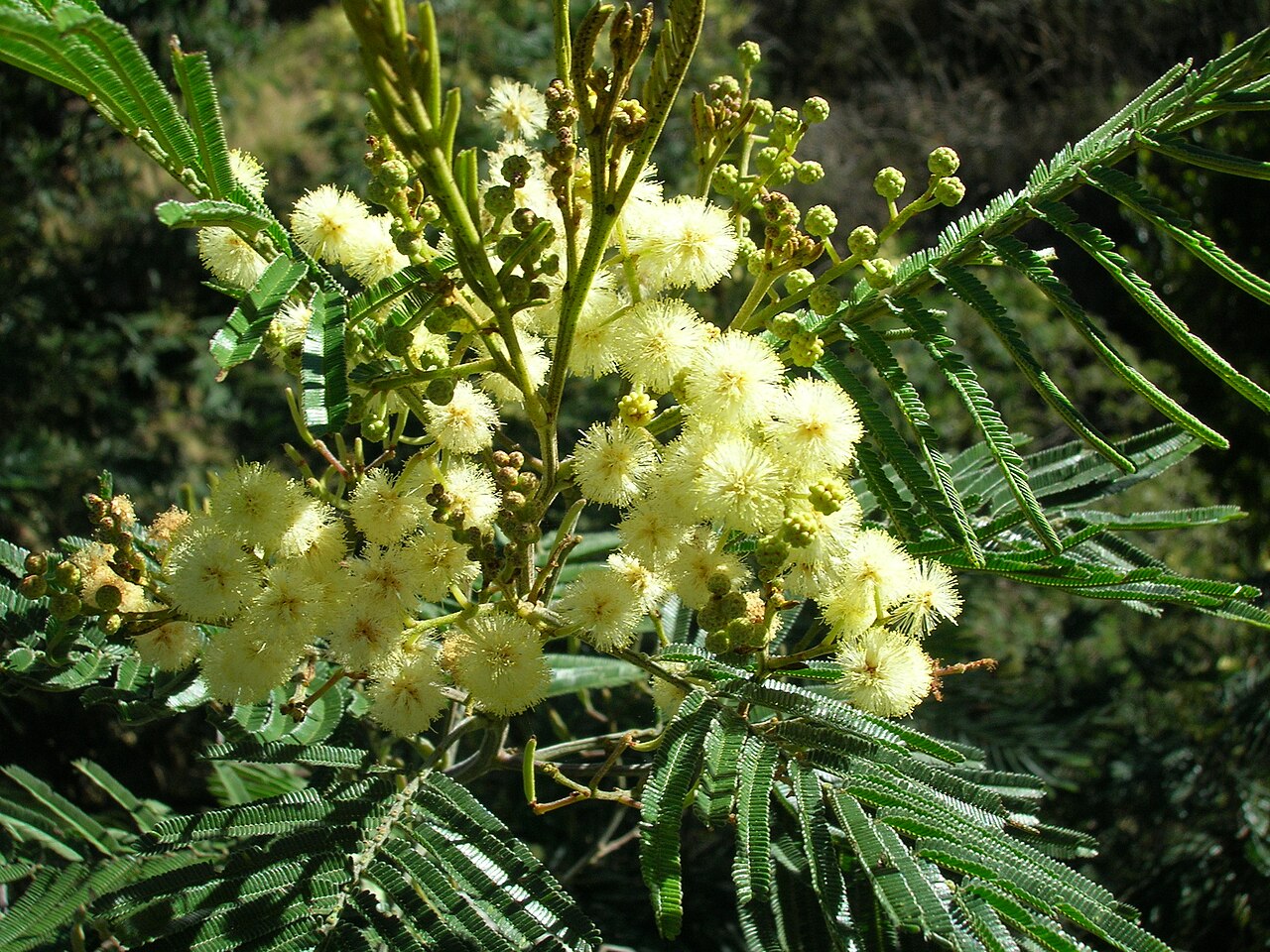
—observations
—countries
—peak records
Least ConcernConservation statusIUCN Red List categoriesLCNTVUENCREWEXLeast ConcernRed List categories, explained →
Diet & preySunlight, Soil water and minerals, Atmospheric nitrogen (via rhizobia)
Predators
- Swamp Wallaby
- Paropsis beetles
- Seed-eating weevils
ThreatsNone globally (widely naturalized and invasive outside its native range); locally affected by clearing and root rot
HabitatsOpen forests, woodlands, creek banks, and disturbed roadsides in south-eastern Australia; invasive in grasslands and riparian zones globally
Life span15–30 years
Classification
- OrderFabales
- FamilyFabaceae
- GenusAcacia
- SpeciesAcacia mearnsii
Range data is not available yet.
Interaction riskLow
- Low
- Moderate
- High
- Very high
- Why interaction risk is low
- Safe to observe at a normal distance.
Responsible observation
- Check leaf stalks: Look closely along the main leaf stem for tiny raised nectar glands between leaflet pairs.
- Time your visit: Search in late spring to early summer when canopies erupt in cream-yellow flower spheres.
- Spot sap scars: Inspect smooth dark bark for chewed notches where gliders and possums lick oozing gum.
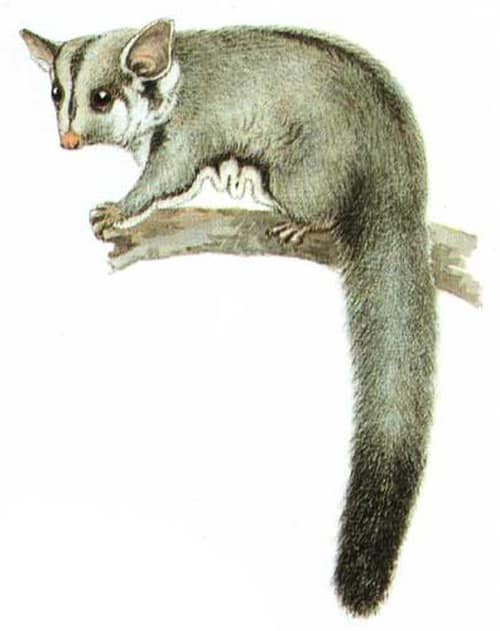
Sap Feeder Wikimedia Commons / Public domain · cc0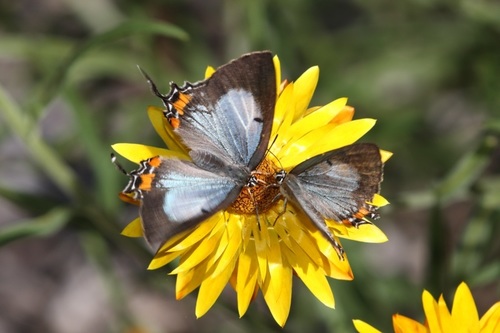
Foliage Feeder (c) dhfischer, some rights reserved (CC BY), uploaded by dhfischer · cc-by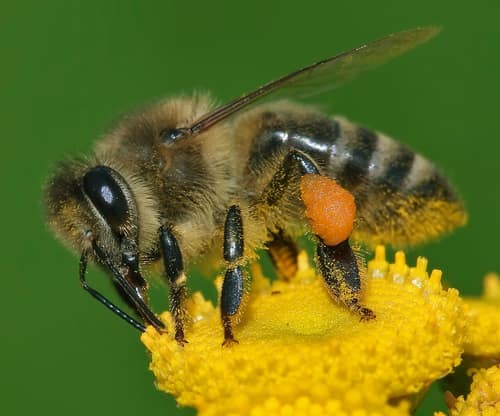
Pollinator Andreas Trepte / CC BY-SA 2.5 · cc-by-sa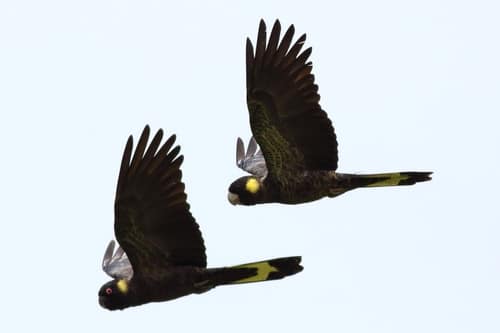
Forager (c) Frankzed, some rights reserved (CC BY) · cc-by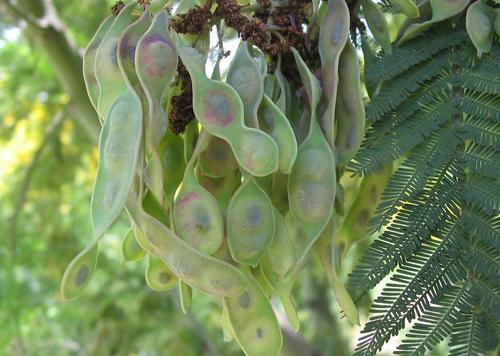
Close Relative (c) anonymous, some rights reserved (CC BY-SA) · cc-by-sa
Help improve the field guideSomething wrong?
Checking your Fauna account…Report a name, category, or profile issue for review.