
Plant
Blackwood
Acacia melanoxylonAlso known as Tasmanian Blackwood, Sally Wattle, Black Sally, Mudgerabah
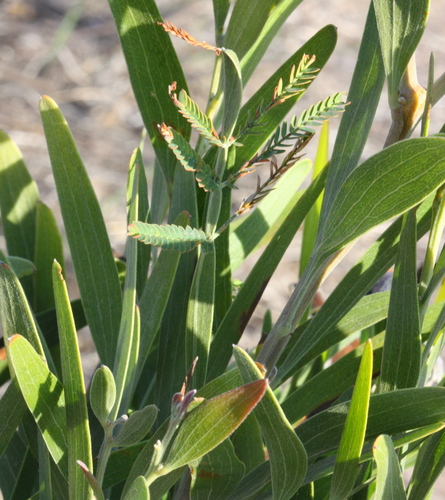
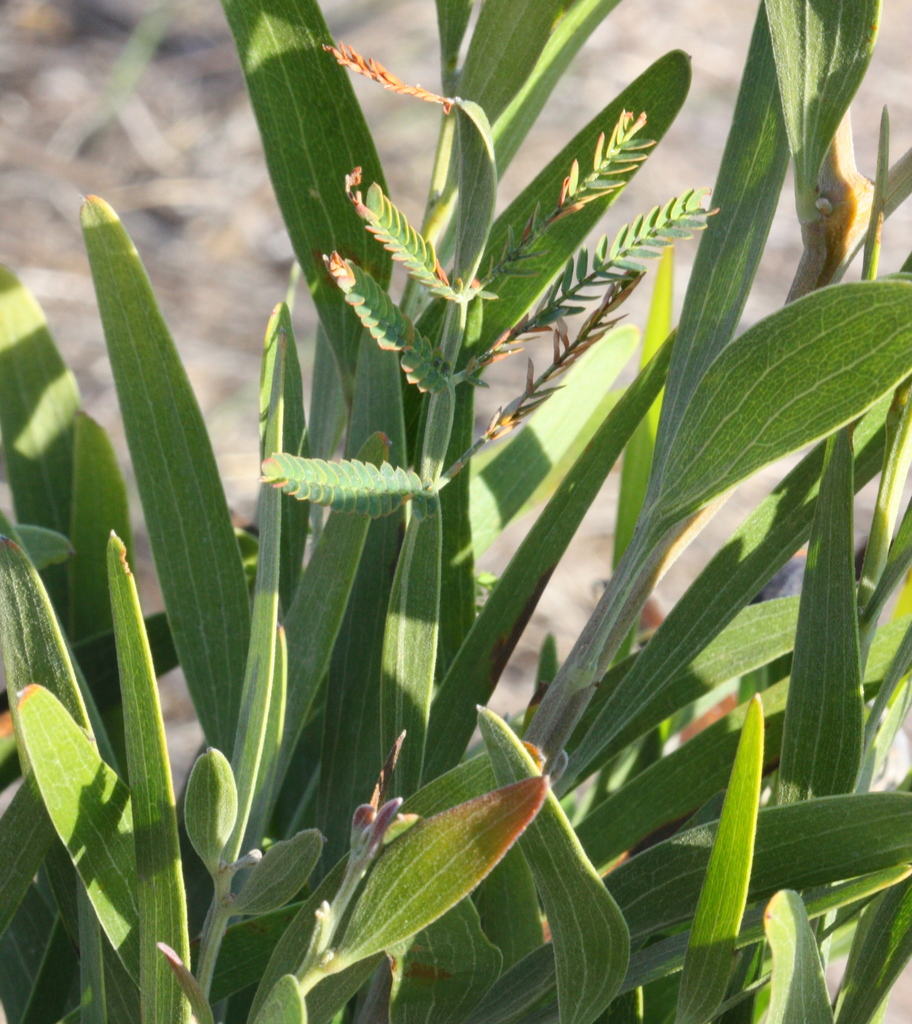
Blackwoods trade true feathery leaves early in life for tough, sickle-shaped phyllodes that conserve moisture across cool gullies and wet sclerophyll forests. In late winter and spring, trees erupt in creamy pale-yellow flower spheres that give way to twisted pods packed with glossy black seeds, each wrapped in a bright pink or red stalk that attracts seed-dispersing birds. Fast-growing and nitrogen-fixing, this wattle quickly colonizes disturbed ground while forming dense, dark-barked canopies prized for richly figured timber.
EvergreenFloweringWoody
—observations
—countries
—peak records
Least ConcernConservation statusIUCN Red List categoriesLCNTVUENCREWEXLeast ConcernRed List categories, explained →
Diet & preySunlight, Soil water, Atmospheric nitrogen
Predators
- Swamp Wallaby
- Crimson Rosella
- Wood-boring beetles
ThreatsHabitat clearing, altered fire regimes, and fungal root rot
HabitatsCool temperate rainforests, wet sclerophyll forests, gullies, and creek banks in south-eastern Australia
Life span50–150 years
Classification
- OrderFabales
- FamilyFabaceae
- GenusAcacia
- SpeciesAcacia melanoxylon
Range data is not available yet.
Interaction riskLow
- Low
- Moderate
- High
- Very high
- Why interaction risk is low
- Safe to observe at a normal distance.
Responsible observation
- Phyllode Check: Look for leathery, curved leaf-like stalks with several longitudinal veins rather than feathery true leaves.
- Seed Pods: Watch for tangled clusters of twisted brown pods in summer, revealing black seeds ringed by bright pink-red stalks.
- Bark Texture: Inspect mature trunks for dark, deeply furrowed, scaly bark that contrasts with smooth young branches.
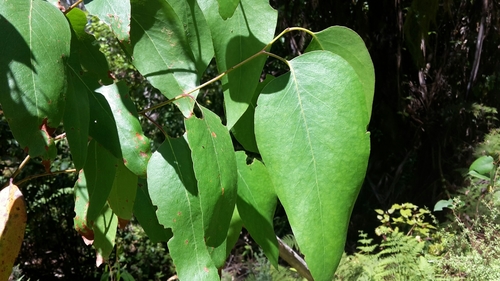
Frequent Companion (c) naturewatchwidow, some rights reserved (CC BY), uploaded by naturewatchwidow · cc-by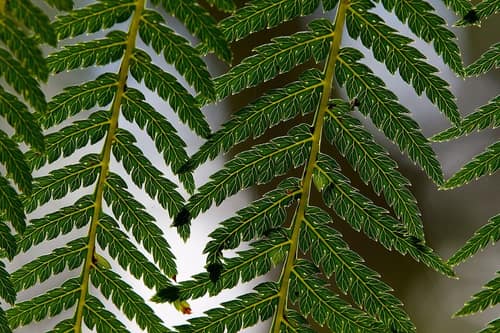
Frequent Companion JJ Harrison / CC BY-SA 3.0 · CC BY-SA 3.0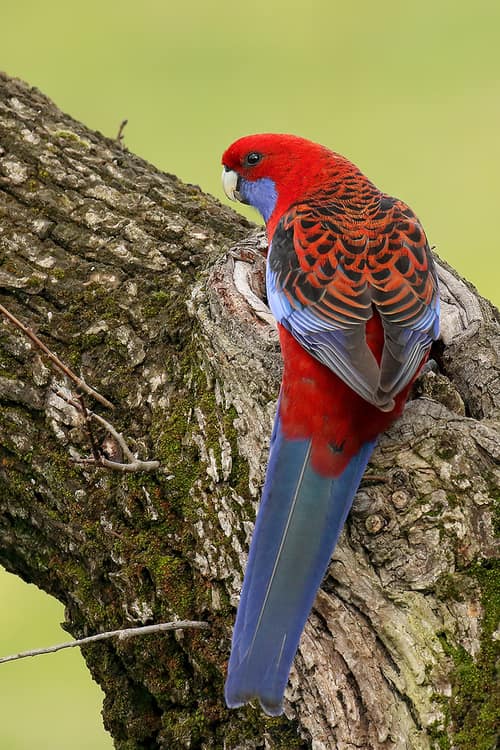
Seed Consumer (c) patrickkavanagh, some rights reserved (CC BY) · cc-by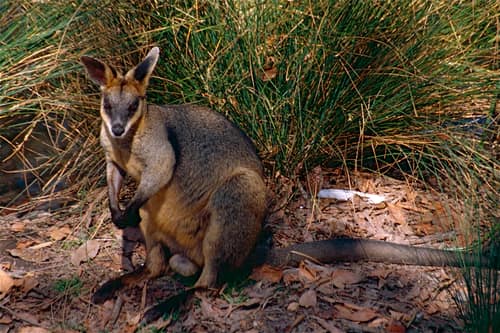
Herbivore (c) Bernard DUPONT, some rights reserved (CC BY-SA) · cc-by-sa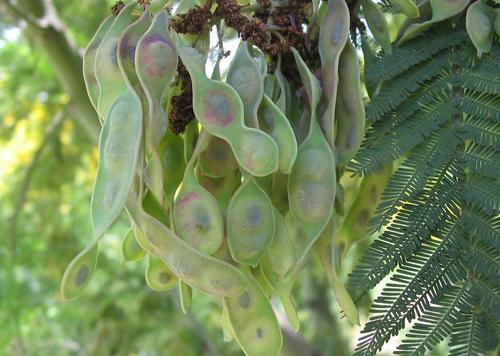
Close Relative (c) anonymous, some rights reserved (CC BY-SA) · cc-by-sa
Help improve the field guideSomething wrong?
Checking your Fauna account…Report a name, category, or profile issue for review.