
Plant
Golden Wattle
Acacia pycnanthaAlso known as Broad-leaved Wattle
Golden wattles illuminate the eucalyptus understorey with masses of fluffy, sweet-scented floral spheres that burst open from late winter into spring. Instead of conventional leaves, mature trees bear sickle-shaped phyllodes with specialized glands that secrete sugary nectar, luring woodland birds like honeyeaters that carry pollen between blooms. Fire plays a vital regenerative role, cracking the tough protective coats of dropped seeds stored in the soil seedbank to trigger vigorous germination.
FloweringFragrantUnderstorey
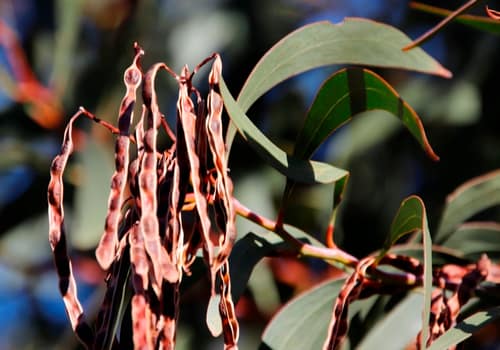
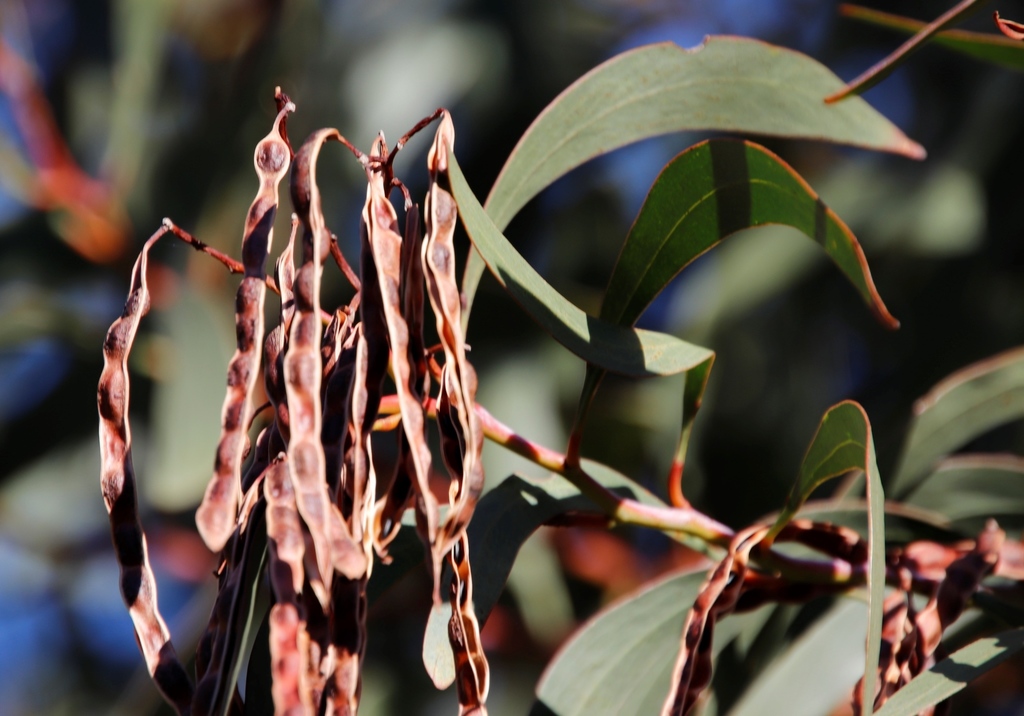
—observations
—countries
—peak records
Least ConcernConservation statusIUCN Red List categoriesLCNTVUENCREWEXLeast ConcernRed List categories, explained →
Diet & preyPhotosynthetic (autotrophic)
Predators
- Imperial Hairstreak Caterpillar
- Wattle Leaf Beetle
- Stem-boring Buprestid Beetle
ThreatsLand clearing, altered fire frequencies, invasive weed competition
HabitatsDry sclerophyll forests, open woodlands, mallee shrublands
Life span10–30 years
Classification
- FamilyFabaceae
- SpeciesAcacia pycnantha
Range data is not available yet.
Interaction riskLow
- Low
- Moderate
- High
- Very high
- Why interaction risk is low
- Safe to observe at a normal distance.
Responsible observation
- Bloom Timing: Look for peak bright yellow blooms between July and October.
- Foliage Inspection: Check the sickle-shaped phyllodes for tiny nectar glands near the base.
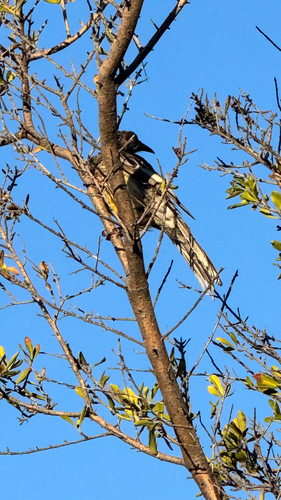
Pollinator (c) jraus, some rights reserved (CC BY-SA) · cc-by-sa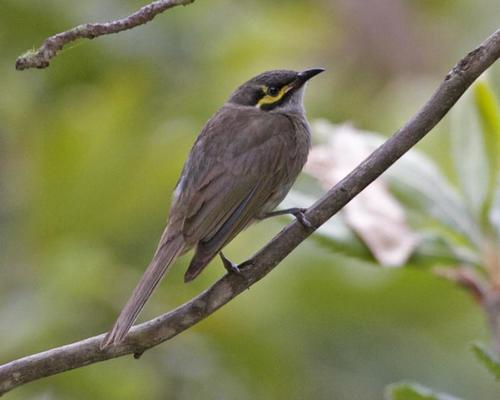
Pollinator (c) Lip Kee, some rights reserved (CC BY-SA) · cc-by-sa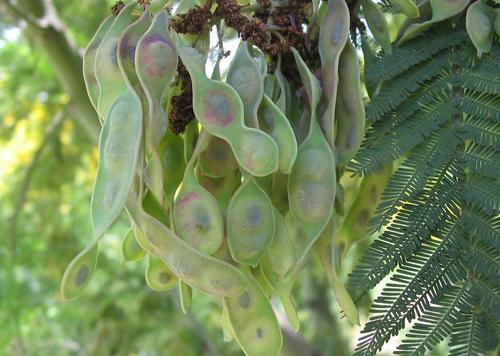
Close Relative (c) anonymous, some rights reserved (CC BY-SA) · cc-by-sa Image unavailable
Close Relative
Help improve the field guideSomething wrong?
Checking your Fauna account…Report a name, category, or profile issue for review.