
Plant · GBIF taxon 2972983
Persian Silk Tree
Albizia julibrissinAlso known as Silk Tree, Mimosa Tree
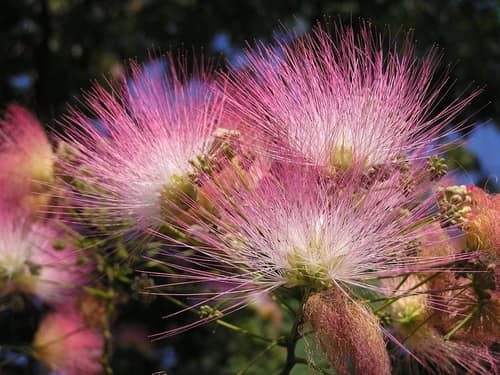
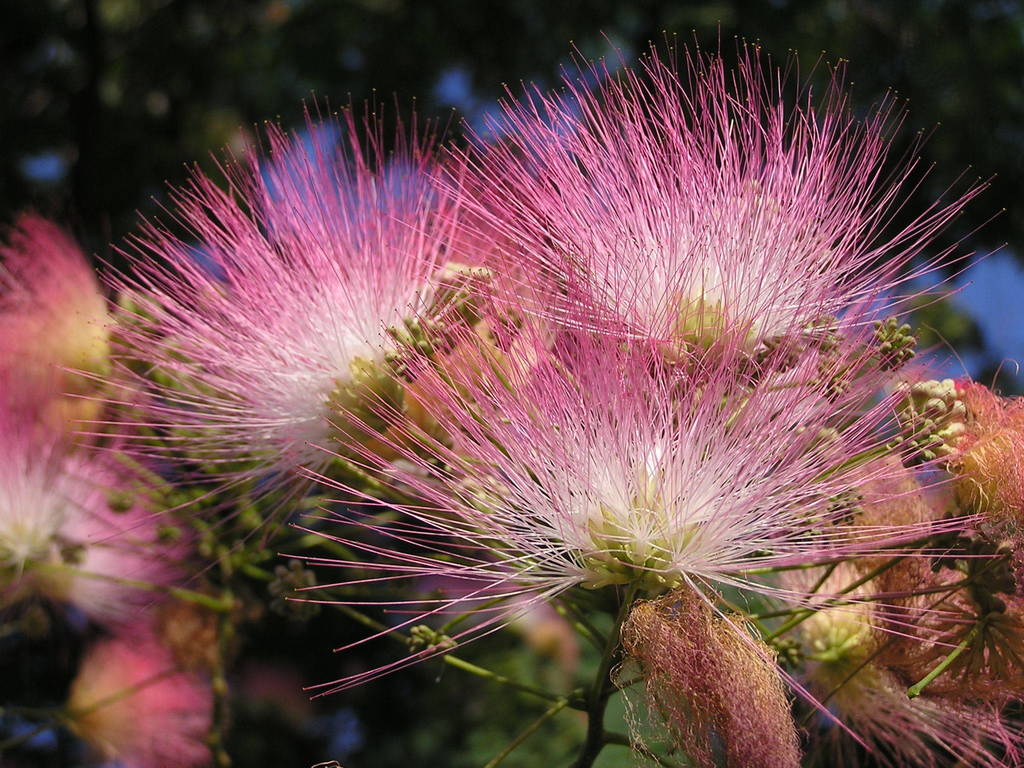
Persian silk tree is a small deciduous tree with a broad crown, finely divided leaves, and pink brushlike flower heads made conspicuous by long stamens. Flat seed pods follow flowering, and the tree readily colonizes warm disturbed ground in some introduced regions.
Feathery LeavesPink StamensDisturbance Colonizer
—observations
—countries
—peak records
Not EvaluatedConservation statusIUCN Red List categoriesLCNTVUENCREWEXNot Evaluated — not placed on the risk ladderRed List categories, explained →
Diet & prey
- Photosynthesis; root symbionts help obtain nitrogen and roots absorb minerals
Predators
- Webworms
- Scale insects
- Browsing mammals
ThreatsFungal wilt, severe frost, storms, root damage, and habitat management
HabitatsOpen woodland, roadsides, stream banks, gardens, vacant ground, and warm forest edges
Life spanUsually about 10 to 30 years
Size / weightNot available
Classification
- OrderFabales
- FamilyFabaceae
- GenusAlbizia
- SpeciesAlbizia julibrissin
Range data is not available yet.
Interaction riskHigh
- Low
- Moderate
- High
- Very high
- Why interaction risk is high
- Seeds in the flat pods can poison pets and livestock; prevent ingestion and never forage from app identification.
- Why it is dangerous
- Seeds in the flat pods contain a neurotoxic principle and can poison dogs, livestock, and other animals if eaten.
- How to recognize a risky encounter
- Identify the broad crown, finely divided leaves, pink brushlike flowers, and flat pods without tasting any material.
- What to do
- Do not eat the seeds, keep pets and livestock from fallen pods, and contact a veterinarian after suspected ingestion.
Responsible observation
- Leaves: Note many small leaflets arranged on featherlike compound leaves.
- Spread: Clean seeds from footwear and follow local invasive-plant guidance.
Help improve the field guideSomething wrong?
Checking your Fauna account…Report a name, category, or profile issue for review.