
Plant
Monkey Pod Tree
Samanea samanAlso known as Rain Tree, Saman, Cow Tamarind, Zaman
Monkey pod trees form colossal, umbrella-shaped crowns that can span over 50 meters wide, casting immense circles of cooling shade across tropical savannas and parks. Their bipinnate leaves exhibit dramatic nyctinastic movements, folding tight together at nightfall and during overcast spells to let rain filter directly down to the grass beneath. In bloom, the branches erupt into thousands of delicate, brush-like pink and white flower clusters that draw swarms of foraging honeybees.
Shade TreeFloweringCanopy
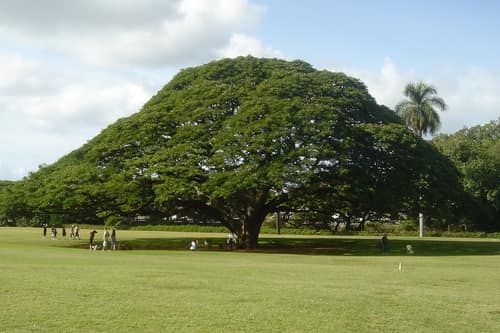
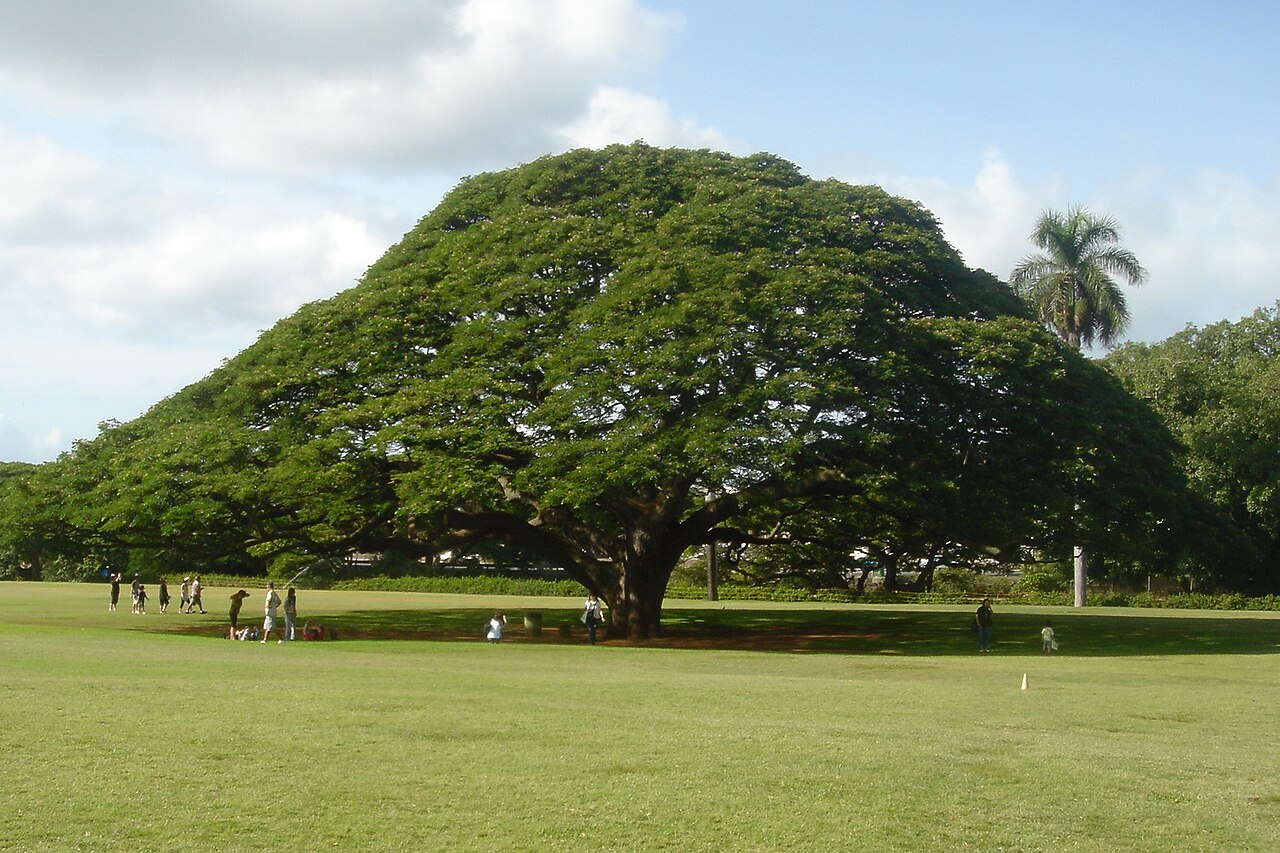
—observations
—countries
—peak records
Least ConcernConservation statusIUCN Red List categoriesLCNTVUENCREWEXLeast ConcernRed List categories, explained →
Diet & preyAutotrophic (photosynthesis, fixes atmospheric nitrogen)
Predators
- Cattle
- Bruched beetles
- Spider monkeys
ThreatsUrban development, stem-boring beetles, and fungal root pathogens
HabitatsTropical savannas, open woodlands, pastures, roadsides, and urban parks
Life span80–100 years
Classification
- OrderFabales
- FamilyFabaceae
- GenusSamanea
- SpeciesSamanea saman
Range data is not available yet.
Interaction riskLow
- Low
- Moderate
- High
- Very high
- Why interaction risk is low
- Safe to observe at a normal distance.
Responsible observation
- Rain Watch: Observe the leaves just before twilight or storm showers to see leaflets fold downward.
- Canopy Scale: Stand beneath mature specimens in open parks to appreciate their massive branch architecture.
- Pod Inspection: Check the ground beneath the canopy during dry months to find thick, sticky black seed pods.
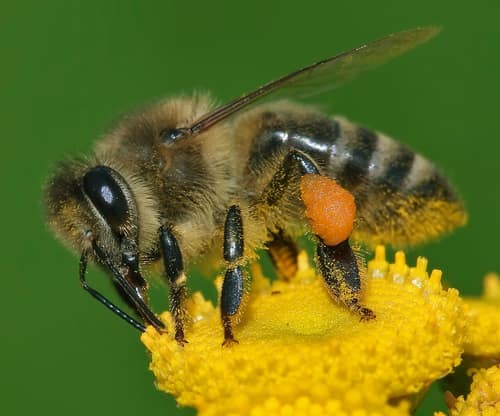
Pollinator Andreas Trepte / CC BY-SA 2.5 · cc-by-sa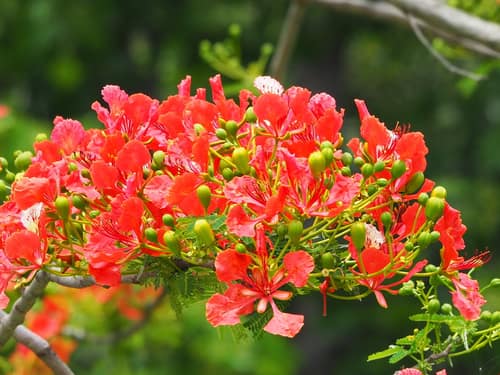
Same Family no rights reserved, uploaded by 葉子 · cc0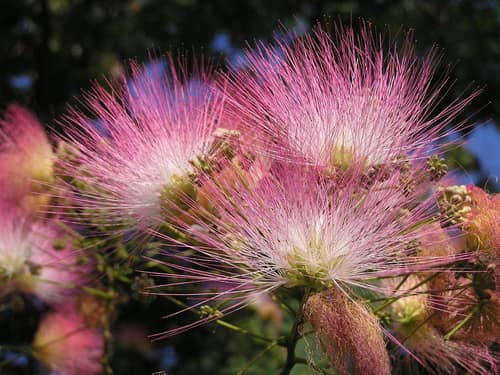
Close Relative (c) Andrew Butko, some rights reserved (CC BY-SA) · cc-by-sa
Same Family no rights reserved, uploaded by 葉子 · cc0
Help improve the field guideSomething wrong?
Checking your Fauna account…Report a name, category, or profile issue for review.