Also known as River Tamarind, Jumbay, Subabul, White Popinac
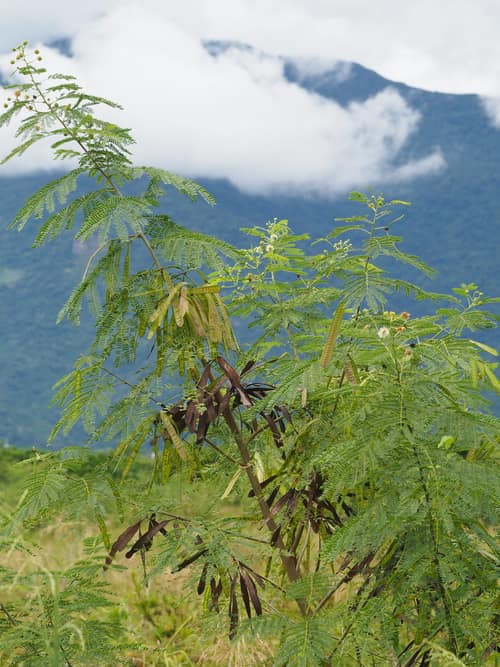
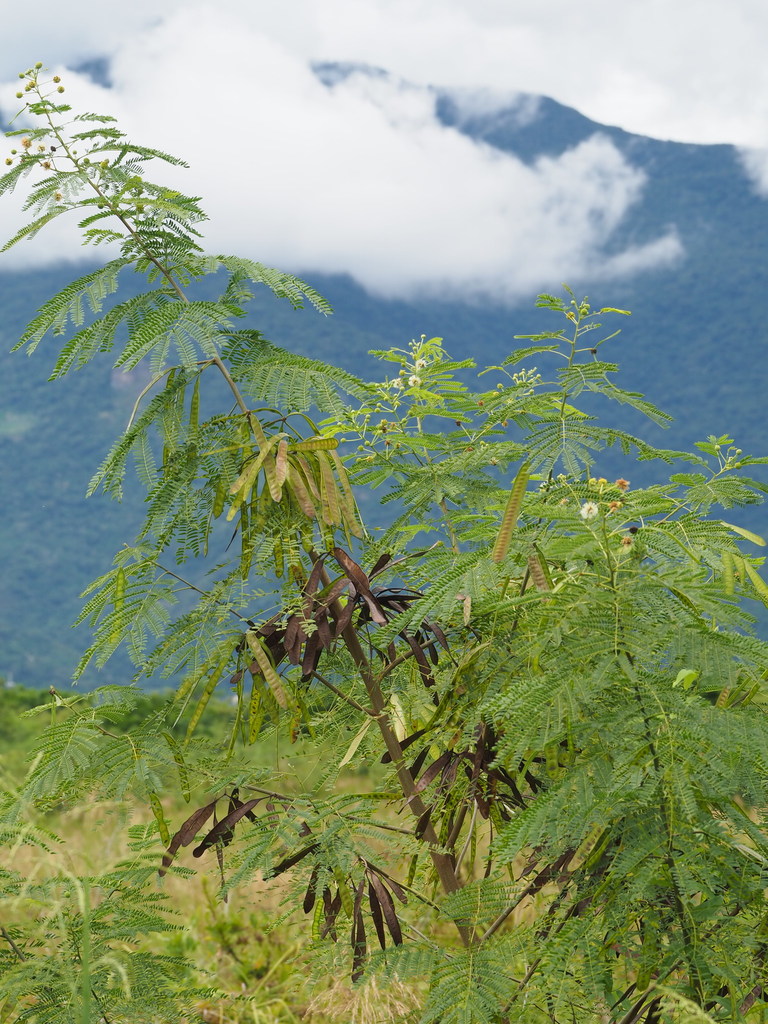
White leadtrees grow at an astonishing rate, forming dense, impenetrable thickets that crowd out native flora across disturbed landscapes in the global tropics. Their feathery bipinnate leaves fold tightly together at night and during heavy rainfall to conserve moisture and reduce physical stress. Abundant pom-pom flower heads give way to clusters of flat brown seedpods that rattle in the breeze and ensure prolific regeneration.
Autotrophic (photosynthetic); fixes atmospheric nitrogen via symbiotic root bacteria
Predators
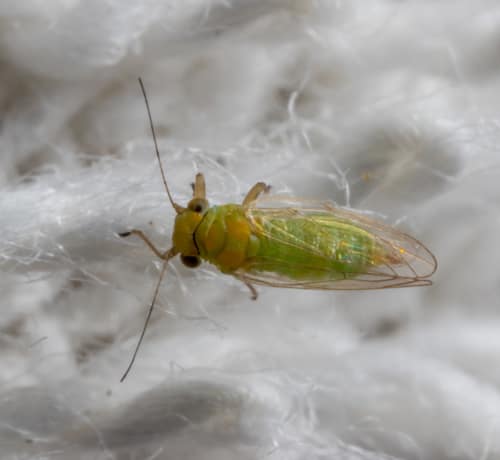
Leucaena Psyllid
Bruchid Seed Beetle
Domestic Goat
ThreatsSusceptible to severe defoliation by the invasive psyllid Heteropsylla cubana
HabitatsDisturbed scrublands, roadsides, riparian edges, coastal thickets, and pastures
Life span20–50 years
Size / weightNot available
Classification
OrderFabales
FamilyFabaceae
GenusLeucaena
SpeciesLeucaena leucocephala
Range & activity
Range data is not available yet.
Safe observation
Interaction riskHigh
Low
Moderate
High
Very high
Why interaction risk is high
Foliage and seeds contain mimosine, toxic to non-ruminants, pets, and horses; do not ingest.
Why it is dangerous
Contains mimosine, a non-protein toxic amino acid that disrupts hair follicles, induces thyroid enlargement, and causes severe hair loss or death in horses, pigs, and pets.
How to recognize a risky encounter
Recognized by feathery bipinnate leaves, globose white puffball flower heads, and bunches of long, flat, reddish-brown seedpods.
What to do
Do not feed foliage or seedpods to monogastric livestock, dogs, or cats, and wash hands after pruning.
Responsible observation
Identification: Look for creamy-white spherical flower clusters and flat, translucent brown seedpods dangling in heavy bunches.
Management: Avoid planting outside its native range because it spreads aggressively and displaces indigenous vegetation.