
Plant · GBIF taxon 2968532
Indian Rosewood
Dalbergia sissooAlso known as North Indian Rosewood, Shisham, Sissoo, Sisu
North Indian rosewood thrives along riverbanks and gravelly plains, using extensive root systems and nitrogen-fixing nodules to stabilize shifting soils. In late spring, small clusters of fragrant, pale yellowish-white blossoms blanket the crooked canopy before maturing into papery, wind-borne seed pods. Renowned for its rich golden-brown heartwood, the tree anchors sub-Himalayan alluvial ecosystems and supports diverse wood-boring insects and canopy-nesting birds.
Deciduous TreeNitrogen-FixingTimber Tree
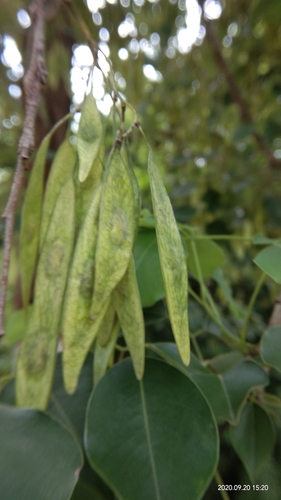
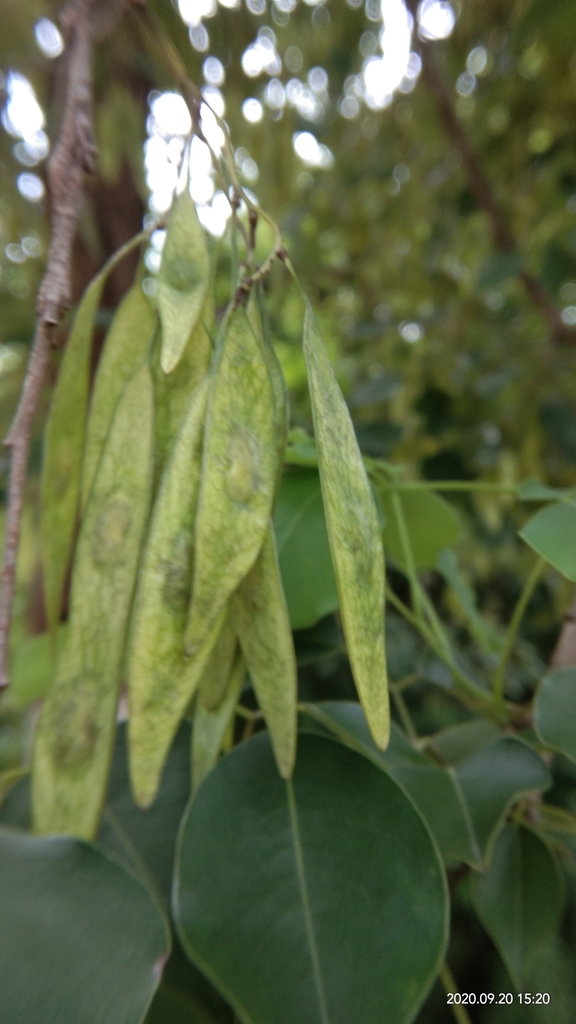 1 / 7
1 / 7—observations
—countries
—peak records
Least ConcernConservation statusIUCN Red List categoriesLCNTVUENCREWEXLeast ConcernRed List categories, explained →
Diet & prey
- Autotrophic (photosynthetic)
Predators
- Shisham defoliator (Plecoptera reflexa)
- Indian crested porcupine
- Subterranean termites
ThreatsDieback disease caused by fungal pathogens, overexploitation for timber, and invasive spread in non-native ranges
HabitatsRiverbanks, alluvial plains, gravel beds, and dry deciduous forests
Life span50–100 years
Size / weightNot available
Classification
- OrderFabales
- FamilyFabaceae
- GenusDalbergia
- SpeciesDalbergia sissoo
Range data is not available yet.
Interaction riskLow
- Low
- Moderate
- High
- Very high
- Why interaction risk is low
- Safe to observe at a normal distance.
Responsible observation
- Foliage Inspection: Note the zig-zagging branchlets with three to five alternate, rounded leaflets.
- Pod Identification: Look for persistent, flat, strap-like pods hanging in the crown through winter.
 Image unavailable
Same Genus Frequent Companion 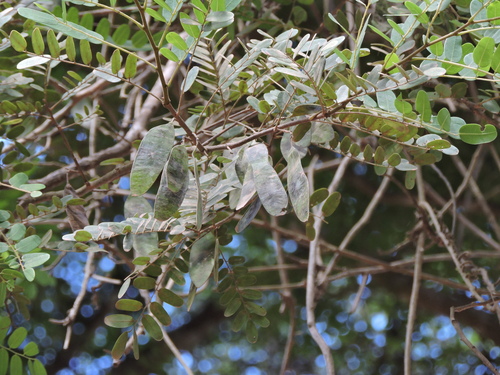
Same Genus (c) Fabrício Mil Homens Riella, some rights reserved (CC BY) · cc-by
Help improve the field guideSomething wrong?
Checking your Fauna account…Report a name, category, or profile issue for review.