
Plant
Moluccan Albizia
Falcataria moluccanaAlso known as Batai, Peacock Tree, White Albizia
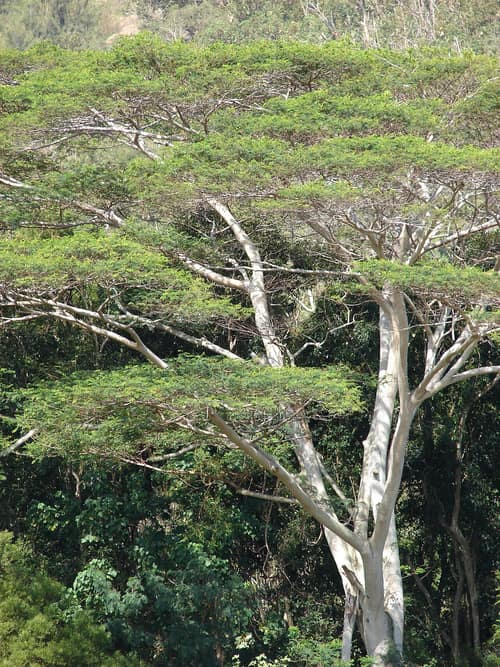
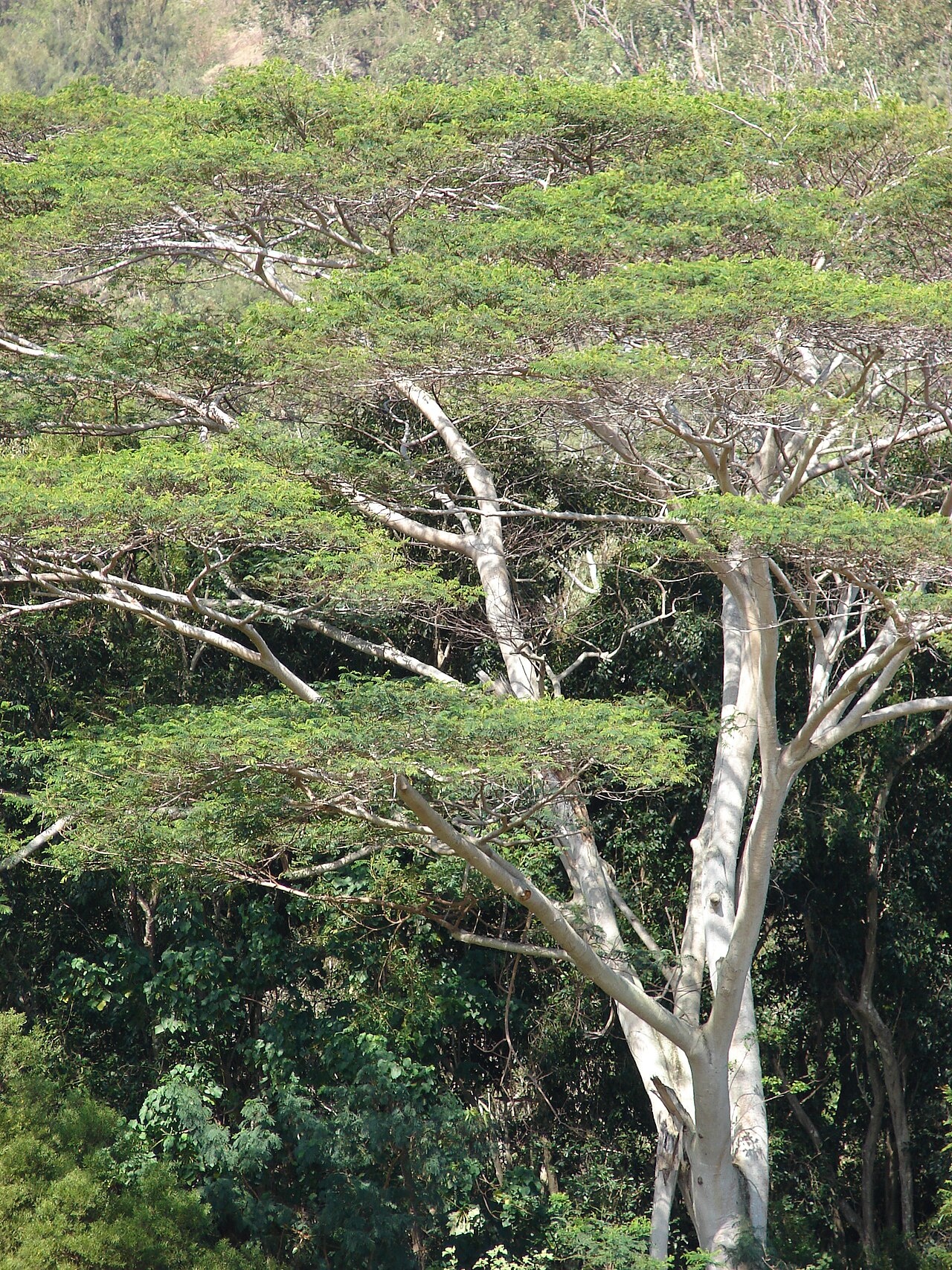
Moluccan albizia ranks among the fastest-growing trees on Earth, capable of surging over five meters in height per year in moist tropical climates. Its broad, umbrella-like canopy casts dense shade while its roots enrich poor soils with fixed nitrogen, frequently altering native forest succession where introduced. Because its soft, lightweight timber grows so rapidly, mature specimens readily shed heavy limbs during high winds and tropical storms.
Fast-GrowingNitrogen-FixingCanopy Tree
—observations
—countries
—peak records
Least ConcernConservation statusIUCN Red List categoriesLCNTVUENCREWEXLeast ConcernRed List categories, explained →
Diet & preyAutotrophic (photosynthesis, atmospheric nitrogen fixation)
Predators
- Gall rust fungus
- Grass yellow caterpillar
- Longhorn beetle
ThreatsGall rust disease, insect stem borers, and invasive species eradication programs
HabitatsLowland tropical rainforests, disturbed secondary forests, and riverbanks
Life span30–50 years
Classification
- OrderFabales
- FamilyFabaceae
- GenusFalcataria
- SpeciesFalcataria moluccana
Range data is not available yet.
Interaction riskLow
- Low
- Moderate
- High
- Very high
- Why interaction risk is low
- Safe to observe at a normal distance.
Responsible observation
- Storm Caution: Avoid standing or parking beneath mature trees during windy conditions due to brittle, falling branches.
- Foliage Inspection: Look closely at the leaf stalks to spot the small raised glands that secrete nectar to attract ants.
- Bark Clues: Identify younger trees by their smooth, gray-green bark marked with prominent horizontal lenticels.
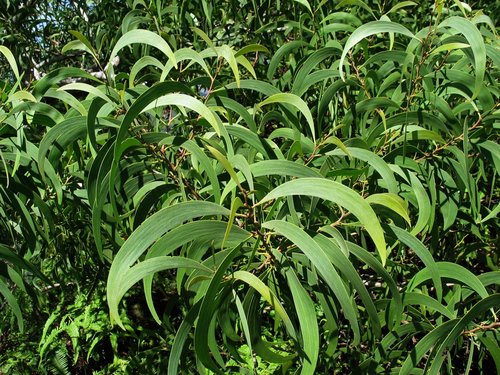
Competitor (c) David Eickhoff, some rights reserved (CC BY) · cc-by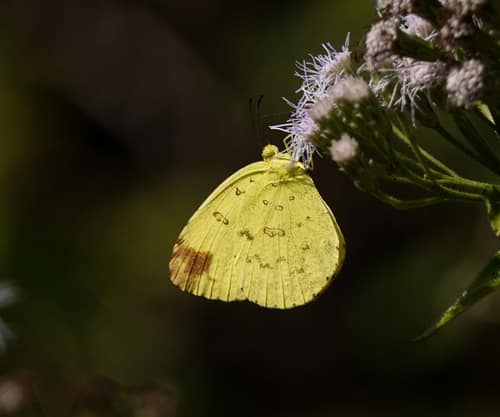
Herbivore (c) Rejoice Gassah, some rights reserved (CC BY), uploaded by Rejoice Gassah · cc-by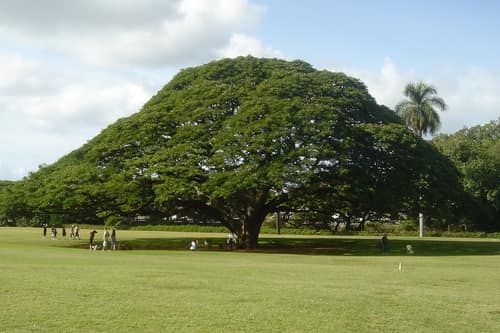
Same Family Myaataro / Public domain · cc0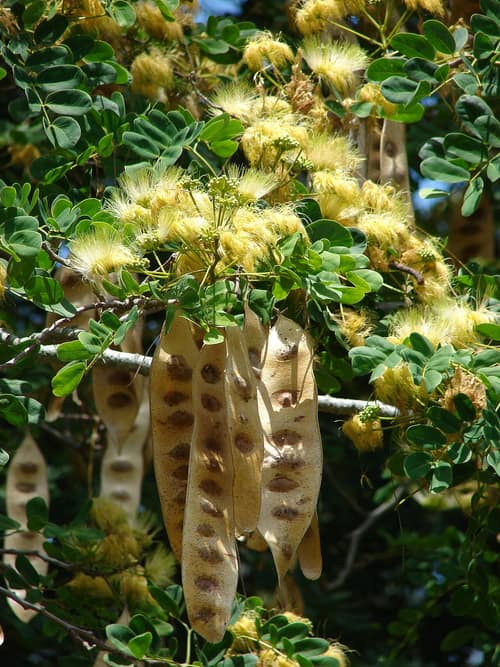
Close Relative Forest & Kim Starr / CC BY 3.0 · cc-by
Help improve the field guideSomething wrong?
Checking your Fauna account…Report a name, category, or profile issue for review.