
Plant
Panicled Ticktrefoil
Desmodium paniculatumAlso known as Panicled-leaf Ticktrefoil, Narrow-leaf Tick-trefoil, Panicled Tickclover
Panicled ticktrefoil blooms in late summer, sending up branched clusters of dainty, pea-like flowers that range from rose-pink to pale lavender. Its slender trifoliate leaves host specialized root bacteria that capture atmospheric nitrogen, naturally enriching depleted soils in open meadows and woodland margins. Autumn transforms the fading flowers into segmented seedpods lined with microscopic hooked hairs, an adaptation that hitches rides on fur and socks to colonize open ground.
WildflowerNitrogen-FixingPerennial
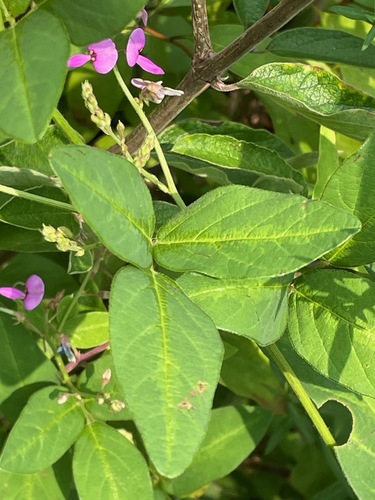
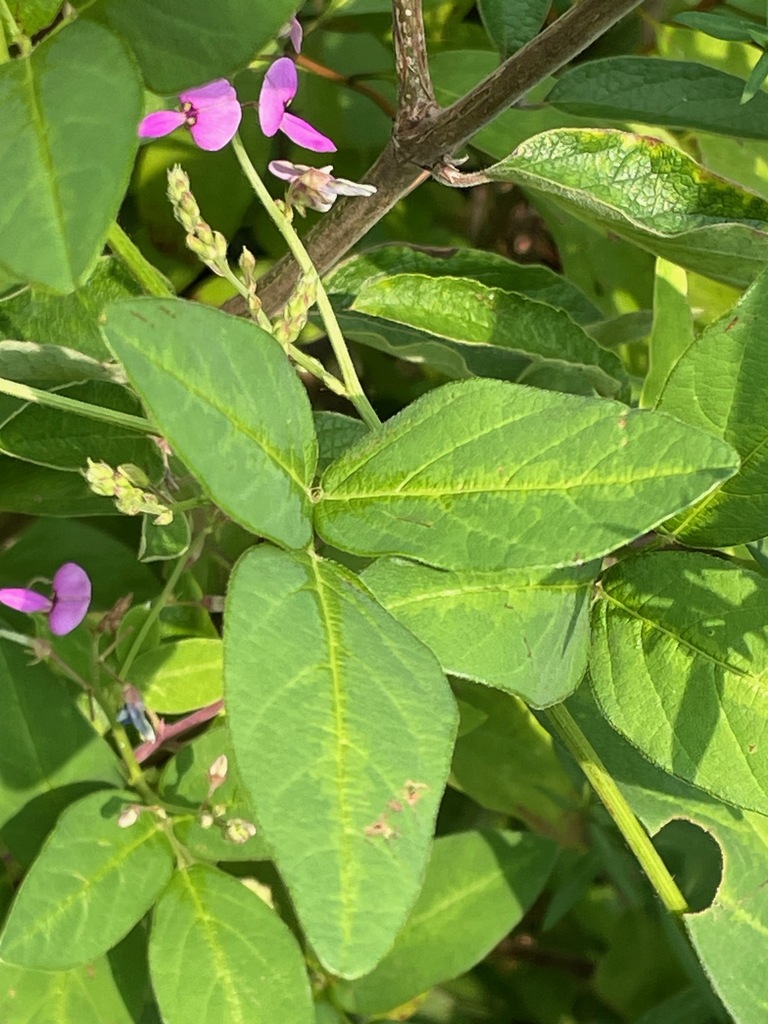
—observations
—countries
—peak records
Least ConcernConservation statusIUCN Red List categoriesLCNTVUENCREWEXLeast ConcernRed List categories, explained →
Diet & preyAutotrophic (photosynthesis, symbiotic nitrogen fixation)
Predators
- White-tailed Deer
- Silver-spotted Skipper
- Northern Bobwhite
ThreatsHerbicide application, woody canopy closure, invasive plant competition
HabitatsOpen woodlands, forest edges, savannas, old fields, roadsides
Life spanPerennial (typically 3–8 years)
Classification
- FamilyFabaceae
- SpeciesDesmodium paniculatum
Range data is not available yet.
Interaction riskLow
- Low
- Moderate
- High
- Very high
- Why interaction risk is low
- Safe to observe at a normal distance.
Responsible observation
- Wardrobe check: Wear smooth gaiters or nylon pants in late autumn to avoid picking up the clingy seed segments.
- Pollinator watching: Inspect midsummer flower sprays on sunny mornings to watch native sweat bees and leafcutter bees trip the blossoms.
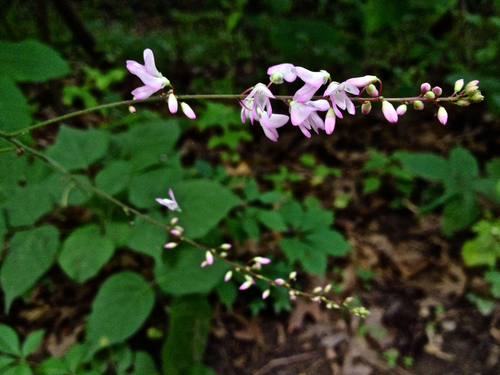
Ecological Kin (c) Fritz Flohr Reynolds, some rights reserved (CC BY-SA) · cc-by-sa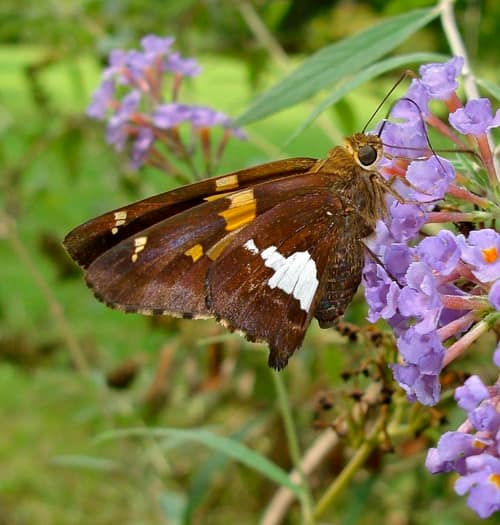
Herbivore no rights reserved, uploaded by Elin Pierce · cc0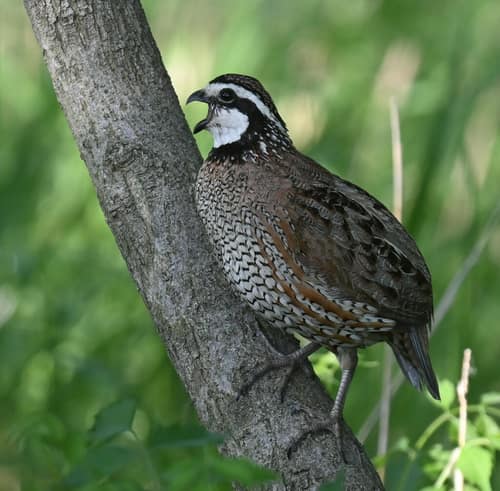
Seed Predator no rights reserved · cc0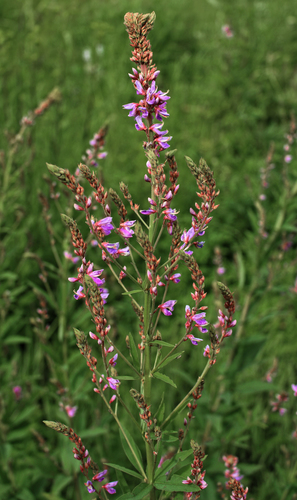
Close Relative (c) aarongunnar, some rights reserved (CC BY), uploaded by aarongunnar · cc-by
Help improve the field guideSomething wrong?
Checking your Fauna account…Report a name, category, or profile issue for review.