
Plant · GBIF taxon 2965201
Black Medick
Medicago lupulinaAlso known as Nonesuch, Hop Clover, Yellow Trefoil, Black Clover
Black medick forms low, spreading mats of trifoliate leaves with small clusters of bright yellow flowers that mature into distinctive kidney-shaped black seed pods. Root nodules harbor nitrogen-fixing bacteria that enrich depleted soil, allowing it to thrive on dry banks, pastures, and disturbed urban ground. Small wild bees and hoverflies actively visit the blossoms for pollen and nectar throughout spring and summer.
Nitrogen FixerYellow FlowersSpreading Groundcover
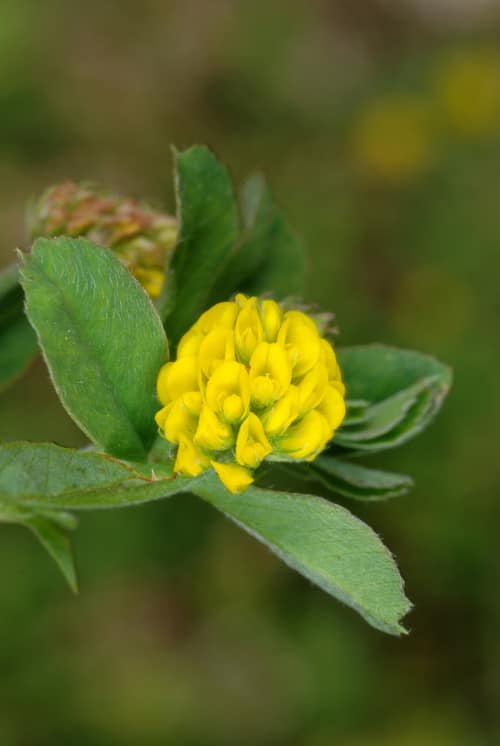
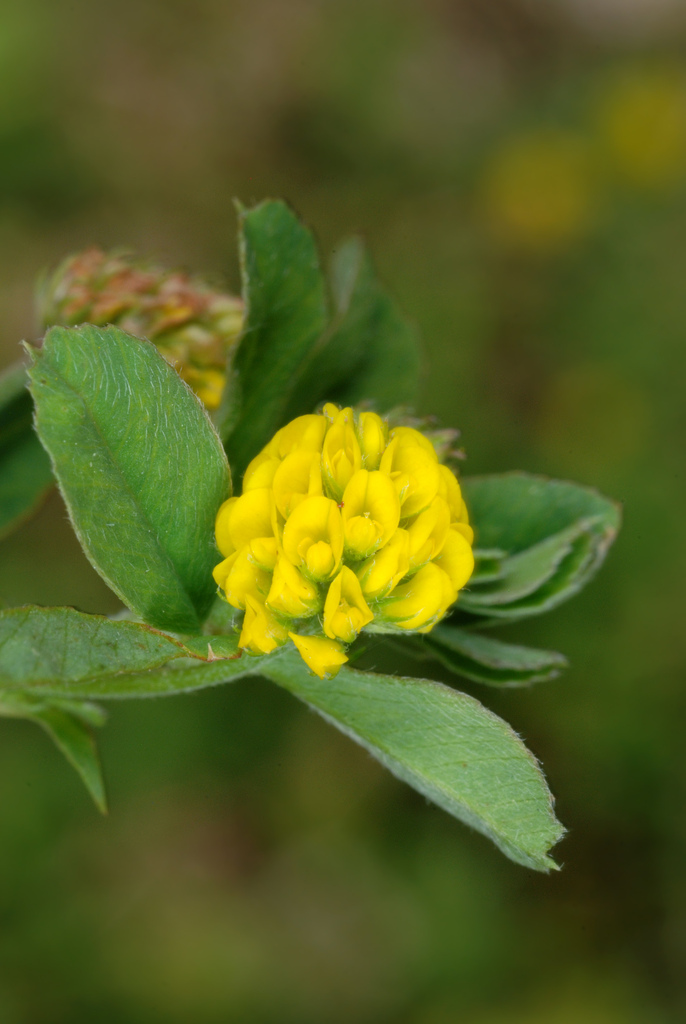 1 / 7
1 / 7—observations
—countries
—peak records
Least ConcernConservation statusIUCN Red List categoriesLCNTVUENCREWEXLeast ConcernRed List categories, explained →
Diet & prey
- Photosynthetic (Nitrogen-Fixing)
Predators
- Grazing Livestock
- Cottontail Rabbits
- Caterpillars
ThreatsHerbicides in lawn management and intensive soil cultivation
HabitatsLawns, dry grasslands, roadsides, waste ground, pastures
Life spanAnnual to short-lived perennial
Size / weightNot available
Classification
- OrderFabales
- FamilyFabaceae
- GenusMedicago
- SpeciesMedicago lupulina
Range data is not available yet.
Interaction riskLow
- Low
- Moderate
- High
- Very high
- Why interaction risk is low
- Safe to observe at a normal distance.
Responsible observation
- Pod Check: Look closely at mature plants for the tightly coiled black seed pods, which easily distinguish it from true clovers.
- Lawn Observation: Examine unmowed or low-mown lawn patches in early summer to find its prostrate yellow clusters.
- Leaf Tip Detail: Check the central leaflet on a leaf cluster, which sits on a tiny stalk distinct from the side leaflets.
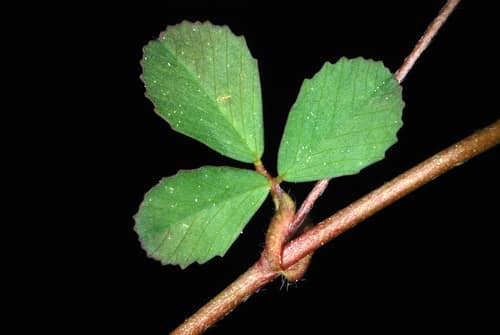
Look-alike (c) Douglas Goldman, some rights reserved (CC BY-SA), uploaded by Douglas Goldman · cc-by-sa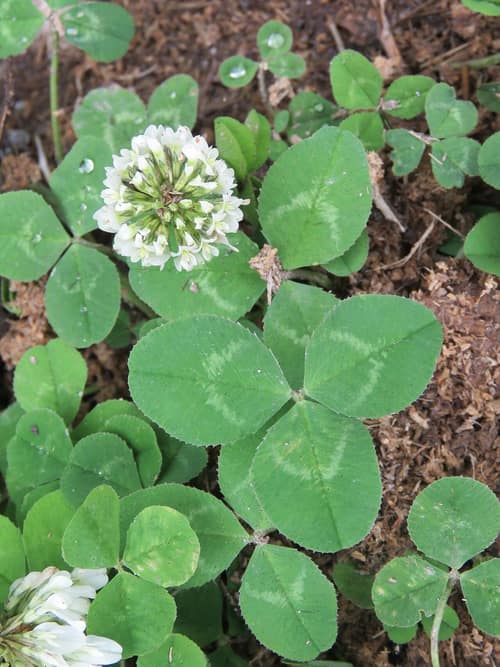
Co-occurring Legume Vinayaraj / CC BY-SA 4.0 · cc-by-sa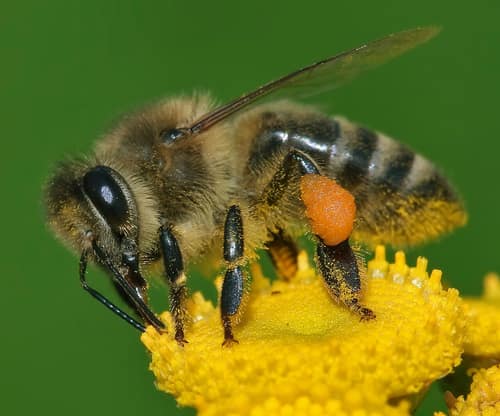
Pollinator Andreas Trepte / CC BY-SA 2.5 · cc-by-sa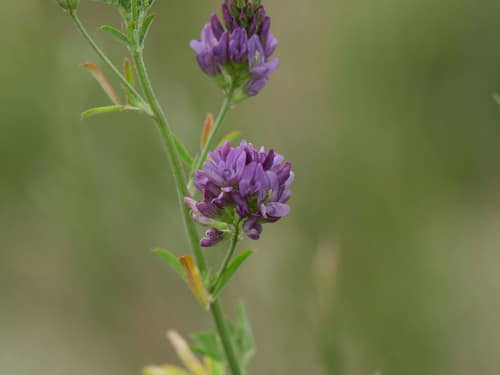
Close Relative (c) Andreas Stiller, some rights reserved (CC BY), uploaded by Andreas Stiller · cc-by
Help improve the field guideSomething wrong?
Checking your Fauna account…Report a name, category, or profile issue for review.