
Plant · GBIF taxon 2964478
Broadleaf Lupine
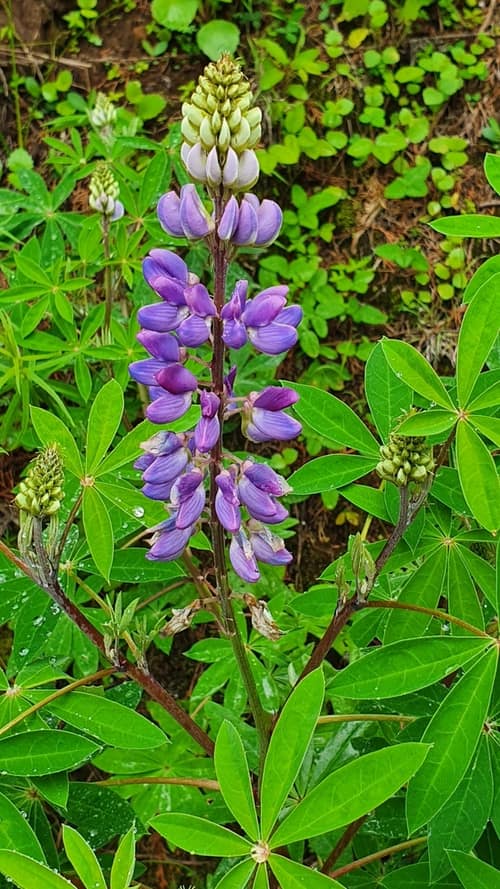
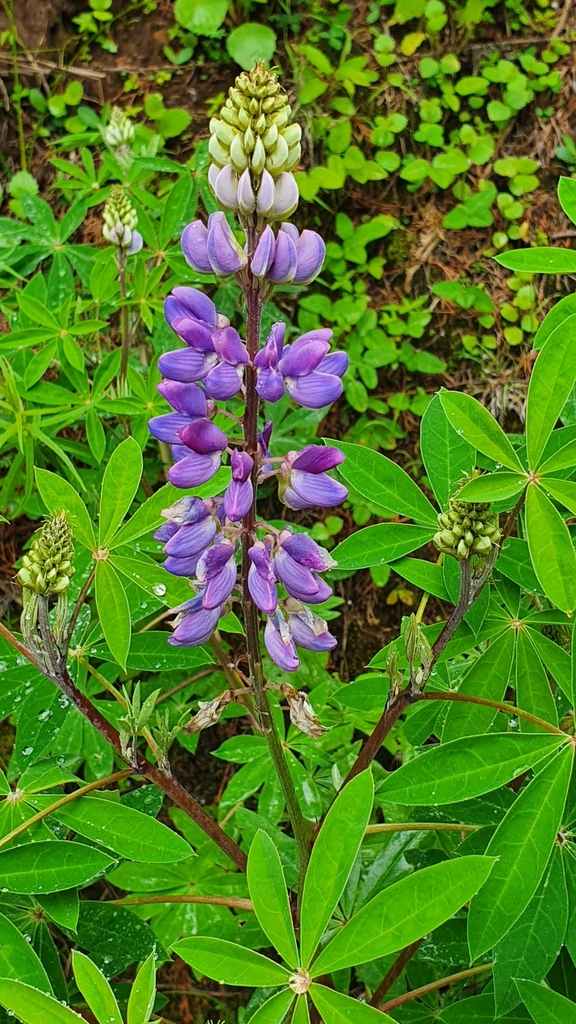
Lupinus latifoliusBroadleaf Lupine is an upright western perennial with palmately divided leaves and tall whorled clusters of blue, purple, or occasionally pale pea-shaped flowers. Root nodules house nitrogen-fixing bacteria, allowing it to grow in open mountain soils.
Montane WildflowerPalmate LeavesNitrogen Fixer
 1 / 7
1 / 7—observations
—countries
—peak records
Not EvaluatedConservation statusIUCN Red List categoriesLCNTVUENCREWEXNot Evaluated — not placed on the risk ladderRed List categories, explained →
Diet & prey
- Produces energy through photosynthesis and gains usable nitrogen through symbiotic bacteria in root nodules
Predators
- Mule deer
- Voles
- Lupine aphids
ThreatsDevelopment, trampling, poorly timed grazing, invasive plants, altered fire, and climate-driven drying of mountain meadows
HabitatsMoist mountain meadows, forest openings, streambanks, subalpine slopes, roadsides, and disturbed soil
Life spanA perennial herb that can resprout from its root crown for many growing seasons
Size / weightNot available
Classification
- FamilyFabaceae
- SpeciesLupinus latifolius
Range data is not available yet.
Interaction riskHigh
- Low
- Moderate
- High
- Very high
- Why interaction risk is high
- Lupine tissues and seeds may contain toxic alkaloids; do not ingest wild material or allow livestock to graze it.
- Why it is dangerous
- Quinolizidine alkaloids in lupine foliage, pods, and seeds can cause neurologic illness and reproductive harm when enough is swallowed.
- How to recognize a risky encounter
- Confirm broad palmately arranged leaflets and blue-purple pea flowers in a tall terminal cluster.
- What to do
- Do not taste any part, keep children and livestock away from collected material, and seek veterinary advice after suspected ingestion.
Responsible observation
- Leaves: Count several broad leaflets radiating from one central point.
- Flowers: Look for pea-shaped blossoms arranged in tiers around an upright stem.
- Livestock: Keep grazing animals from dense stands and never collect plants for food.
Help improve the field guideSomething wrong?
Checking your Fauna account…Report a name, category, or profile issue for review.