
Plant · GBIF taxon 2964333
Silky Lupine
Lupinus sericeusAlso known as Pursh's Silky Lupine, Silky Perennial Lupine
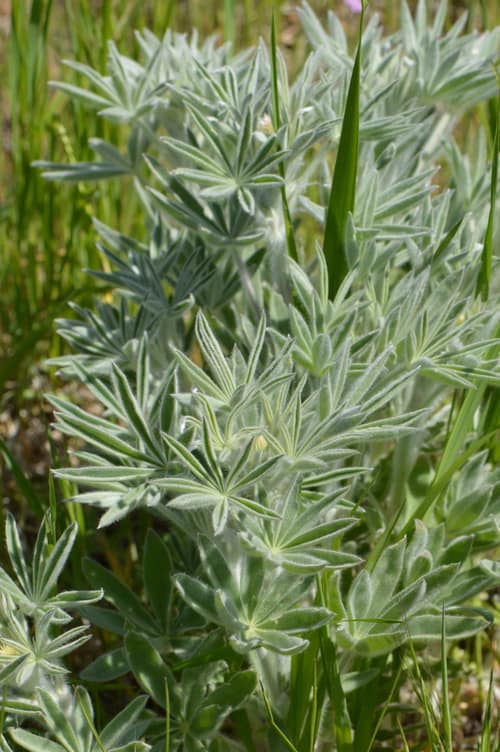
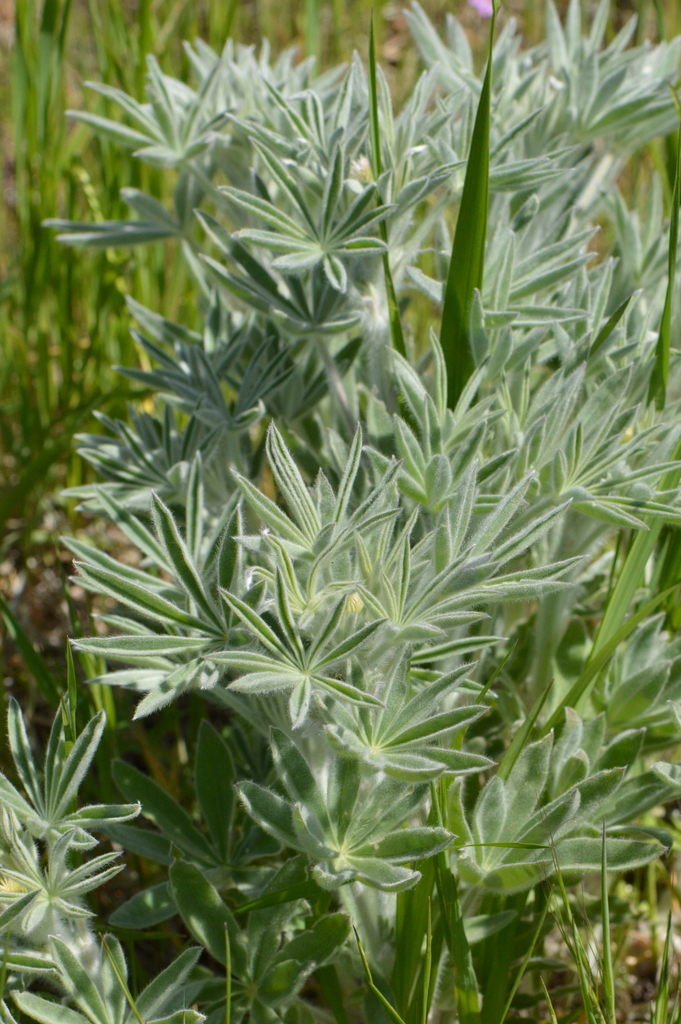
Silky lupine carpets dry western slopes, sagebrush steppe, and open pine woodlands with dense clusters of silvery foliage and upright flower spikes. The soft, appressed hairs covering its stems and palmate leaflets trap air and moisture, reflecting intense sunlight and minimizing water loss in arid environments. Like other legumes, it hosts nitrogen-fixing bacteria within root nodules, enriching poor gravelly soils and facilitating the growth of neighboring native grasses.
WildflowerNitrogen FixerDrought-Tolerant
 1 / 7
1 / 7—observations
—countries
—peak records
Not EvaluatedConservation statusIUCN Red List categoriesLCNTVUENCREWEXNot Evaluated — not placed on the risk ladderRed List categories, explained →
Diet & prey
- Autotroph (Photosynthetic)
Predators
- Silvery Blue Caterpillar
- Blister Beetle
- Mule Deer
ThreatsInvasive cheatgrass competition, rangeland herbicide application, and habitat fragmentation
HabitatsSagebrush steppe, dry grasslands, open ponderosa pine forests, and rocky mountain slopes
Life span5–15 years
Size / weightNot available
Classification
- OrderFabales
- FamilyFabaceae
- GenusLupinus
- SpeciesLupinus sericeus
Range data is not available yet.
Interaction riskHigh
- Low
- Moderate
- High
- Very high
- Why interaction risk is high
- Contains toxic alkaloids hazardous to livestock and pets; never ingest any part of the plant.
- Why it is dangerous
- Contains toxic quinolizidine and piperidine alkaloids like anagyrine, which cause respiratory distress and induce severe birth defects in livestock.
- How to recognize a risky encounter
- Identified by densely silvery-hairy stems, palmately divided leaves with 7 to 9 leaflets, and purple-blue pea-like flowers.
- What to do
- Do not harvest or ingest any part, and prevent domestic animals from grazing near dense stands.
Responsible observation
- Seasonal timing: Look for peak floral displays from late spring to mid-summer across mountain slopes.
- Photography advice: Backlight the stems during early morning to highlight the luminous silky hairs.
- Pet safety: Keep dogs on trails, as seeds and foliage cause alkaloid poisoning if chewed.
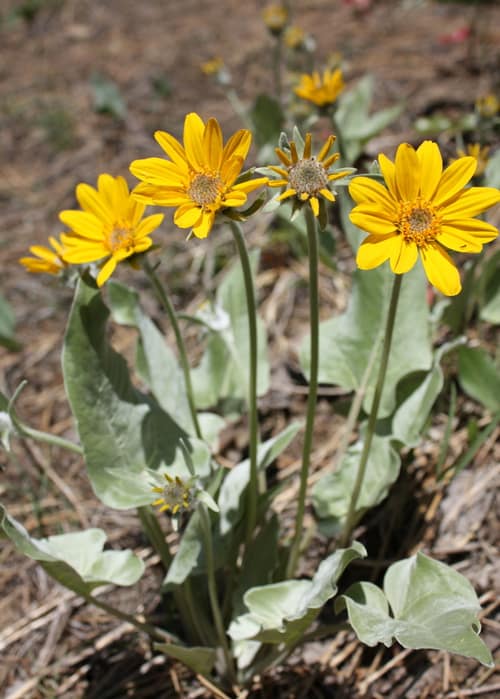
Frequent Companion (c) Leslie Seaton, some rights reserved (CC BY) · cc-by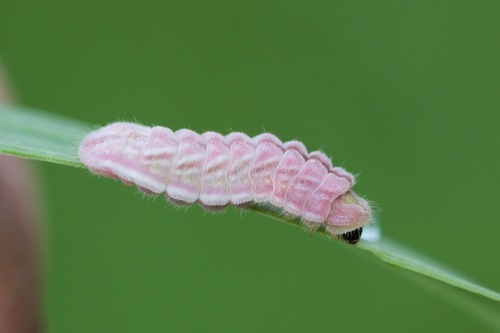
Host Plant (c) Owen Strickland, some rights reserved (CC BY), uploaded by Owen Strickland · cc-by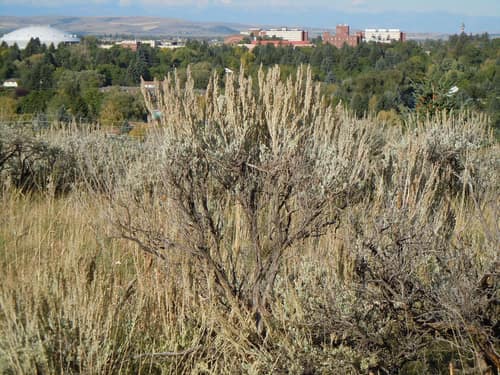
Frequent Companion (c) Matt Lavin, some rights reserved (CC BY) · cc-by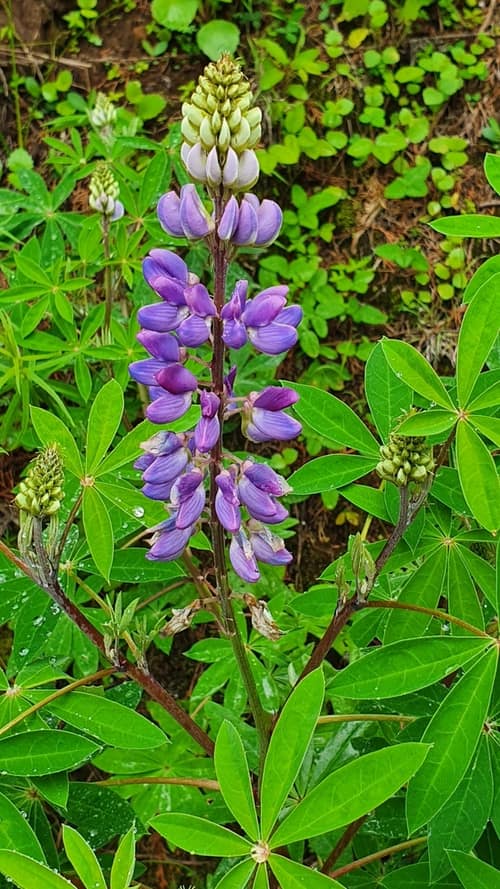
Close Relative (c) Alberto Alcalá, some rights reserved (CC BY), uploaded by Alberto Alcalá · cc-by
Help improve the field guideSomething wrong?
Checking your Fauna account…Report a name, category, or profile issue for review.