
Plant · GBIF taxon 2959443
Honey Locust
Gleditsia triacanthosAlso known as Thorny Locust, Thorny Honeylocust, Sweet Locust
Honey locusts produce long, dark brown seed pods filled with a sweet pulp once eaten by ancient North American megafauna like mastodons. Wild trees often sprout dense armor of branched, needle-sharp thorns up to twenty centimeters long directly from their trunks. Urban planners frequently select thornless cultivars to line city streets because of their exceptional tolerance for air pollution, road salt, and soil compaction.
DeciduousTreeAdaptable
—observations
—countries
—peak records
Least ConcernConservation statusIUCN Red List categoriesLCNTVUENCREWEXLeast ConcernRed List categories, explained →
Diet & prey
- Autotrophic
Predators
Not available
ThreatsInvasive management outside native range, mimosa webworm
HabitatsRiver valleys, floodplains, moist woods, urban streets
Life span120–150 years
Size / weightNot available
Classification
- OrderFabales
- FamilyFabaceae
- GenusGleditsia
- SpeciesGleditsia triacanthos
Range data is not available yet.
Interaction riskLow
- Low
- Moderate
- High
- Very high
- Why interaction risk is low
- Wild seed pods and fruits have toxic look-alikes; never consume based on app identification alone.
Responsible observation
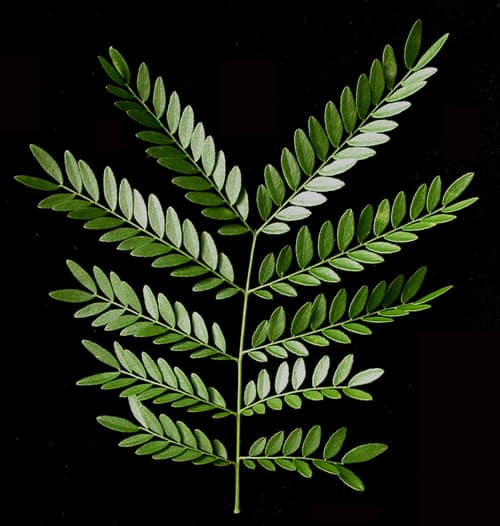
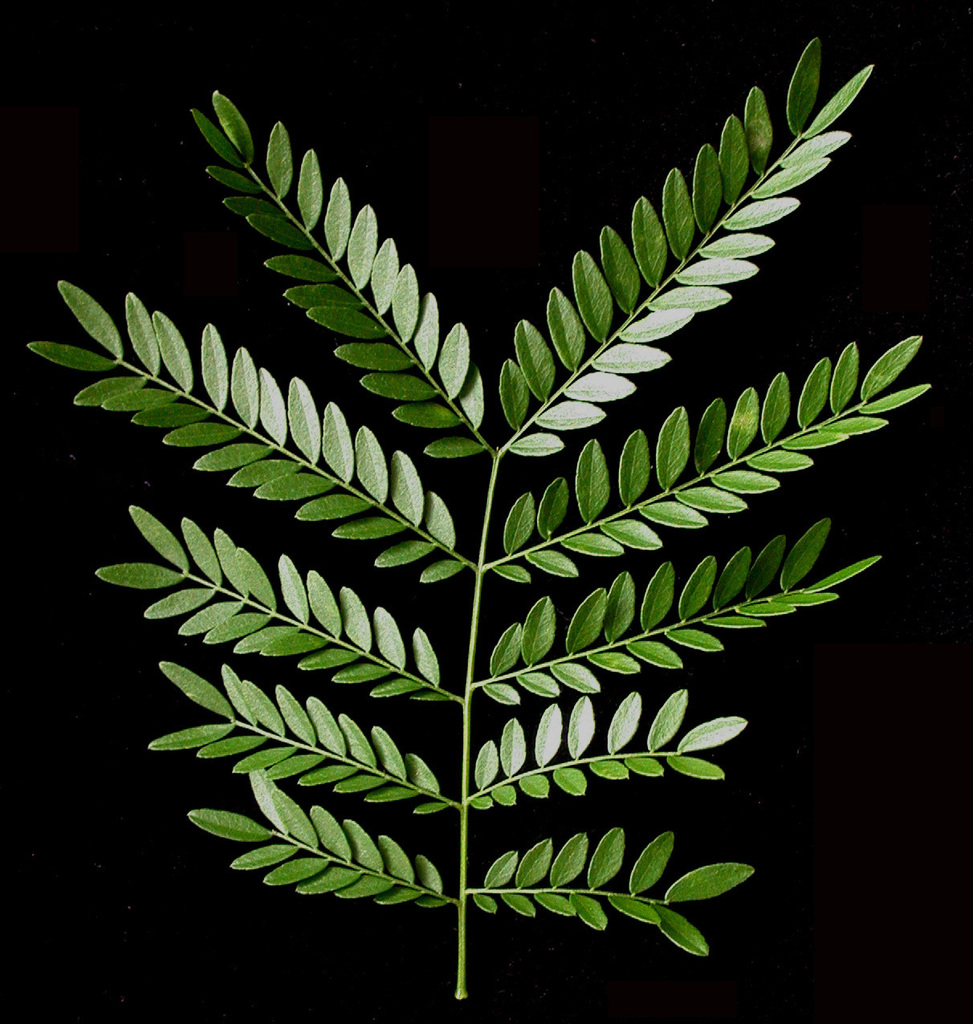
- Observe foliage: Look for fine, pinnate or bipinnate leaves that cast dappled, light shade.
- Inspect thorns: Examine wild specimens for formidable, branched thorns growing on the main trunk.
- Examine seed pods: Watch for long, dark brown twisted pods hanging in late autumn.
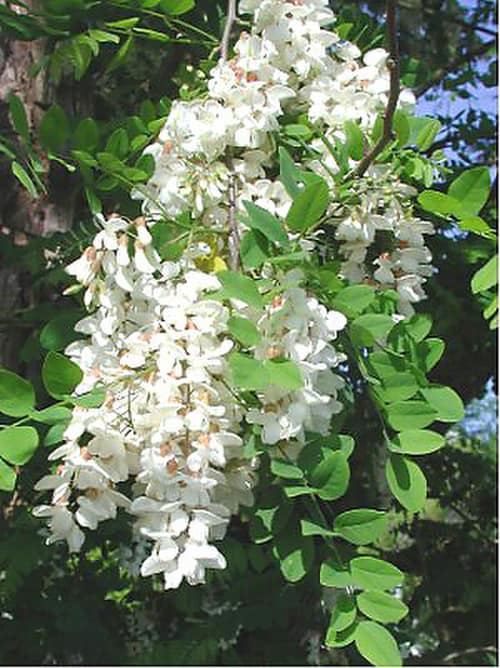
Look-Alike Pollinator at English Wikipedia / CC BY-SA 3.0 · cc-by-sa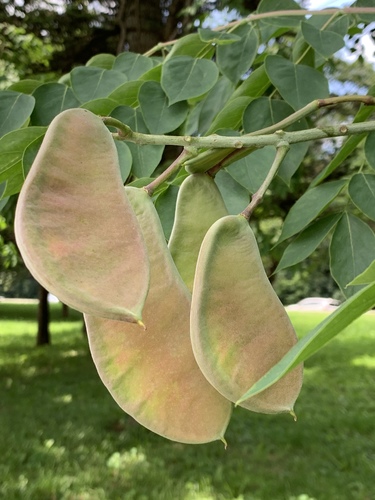
Frequent Companion (c) Sandy Wolkenberg, some rights reserved (CC BY), uploaded by Sandy Wolkenberg · cc-by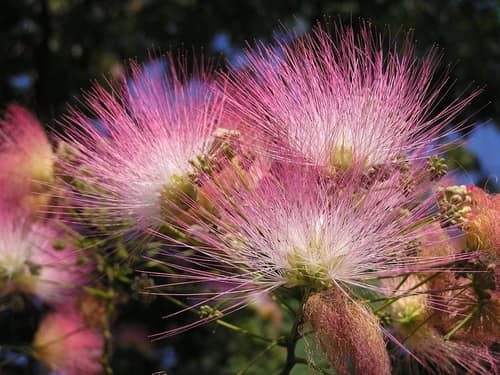
Look-Alike (c) Andrew Butko, some rights reserved (CC BY-SA) · cc-by-sa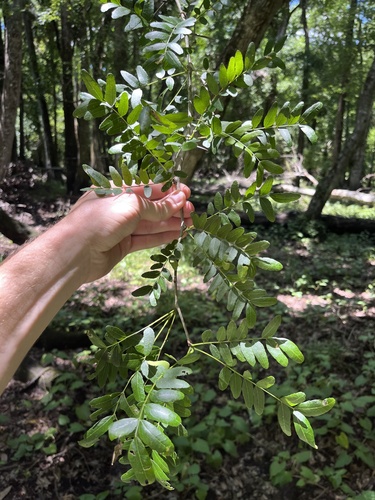
Close Relative no rights reserved · cc0
Help improve the field guideSomething wrong?
Checking your Fauna account…Report a name, category, or profile issue for review.