
Plant
Karoo Boerbean
Schotia afraAlso known as Karoo Boer-bean, Hottentot's Bean, Karoo Schotia
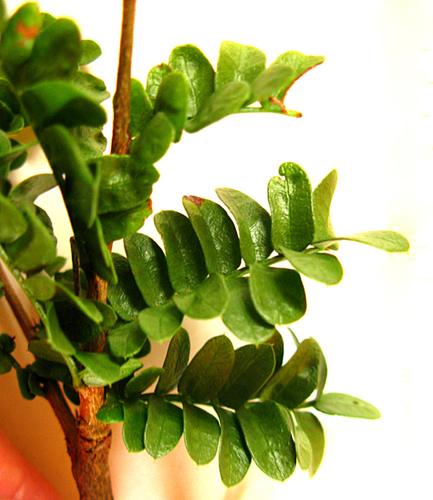
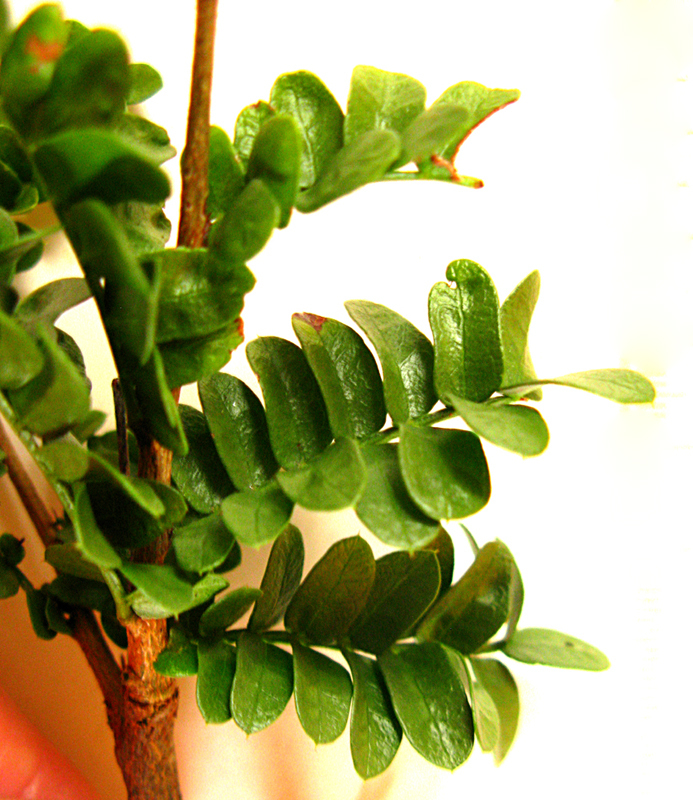
Karoo boerbeans are rugged, slow-growing trees renowned for explosive spring displays of scarlet blossoms bursting directly from mature branches. These nectar-rich blooms create bustling hubs for sunbirds, bees, and monkeys across arid scrublands. Sturdy woody pods follow flowering, each carrying smooth seeds marked by distinctive yellow arils.
Drought-TolerantBird-FriendlyFlowering Tree
—observations
—countries
—peak records
Least ConcernConservation statusIUCN Red List categoriesLCNTVUENCREWEXLeast ConcernRed List categories, explained →
Diet & preySunlight, water, and soil minerals via photosynthesis
Predators
- Greater kudu
- Domestic goat
- Seed-eating weevil
ThreatsOvergrazing by domestic livestock, drought, and agricultural clearing
HabitatsSucculent Karoo, semi-arid scrub, valley bushveld, and dry rocky slopes
Life span50–100+ years
Classification
- OrderFabales
- FamilyFabaceae
- GenusSchotia
- SpeciesSchotia afra
Range data is not available yet.
Interaction riskLow
- Low
- Moderate
- High
- Very high
- Why interaction risk is low
- Safe to observe at a normal distance.
Responsible observation
- Bird Watching: Visit flowering trees in spring to watch visiting sunbirds sip nectar.
- Seed Pods: Look on older branches for tough, woody pods bearing yellow-tipped seeds.
- Cultivation: Plant in full sun and well-draining soil for drought-hardy landscaping.
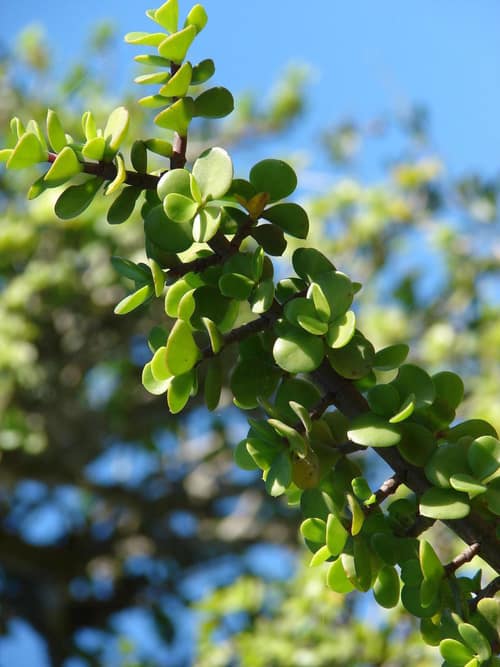
Frequent Companion (c) Shaun Swanepoel, some rights reserved (CC BY), uploaded by Shaun Swanepoel · cc-by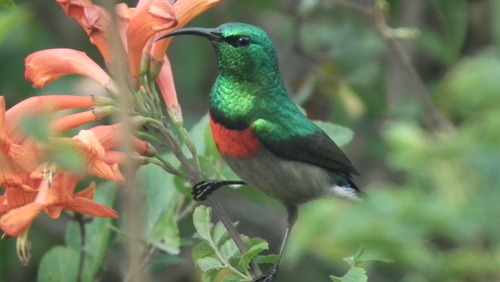
Pollinator (c) Shaun Swanepoel, some rights reserved (CC BY) · cc-by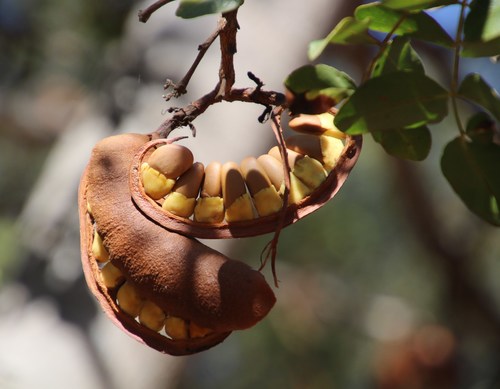
Close Relative (c) Tony Rebelo, some rights reserved (CC BY-SA), uploaded by Tony Rebelo · cc-by-sa Image unavailable
Close Relative
Help improve the field guideSomething wrong?
Checking your Fauna account…Report a name, category, or profile issue for review.