
Plant
Munzungu
Senna singueanaAlso known as Winter Cassia, Sticky Pod
Munzungu is a deciduous shrub or small tree native to dry woodlands and savannas across tropical Africa. Bursting into brilliant yellow blooms during the dry winter season, it provides vital nectar when few other plants are flowering. Its feathery compound leaves and long, slender pods make it a distinctive component of African bushveld landscapes.
Yellow BloomAfrican SavannaMedicinal Plant
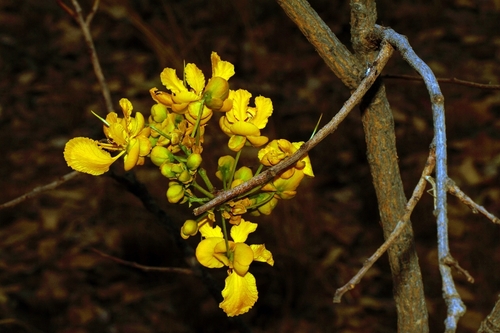
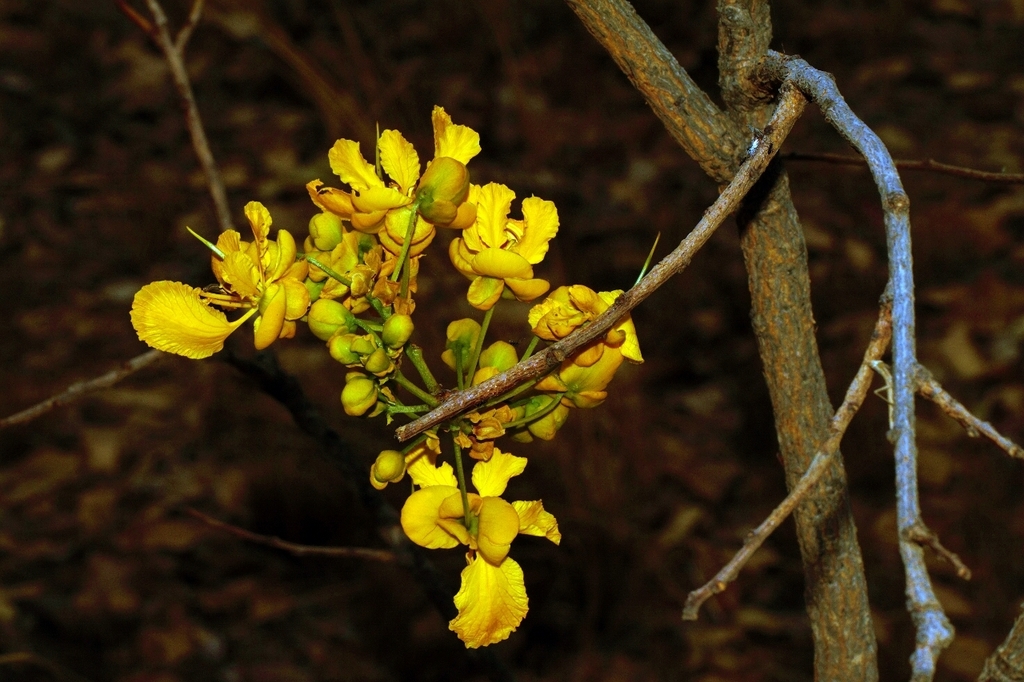
—observations
—countries
—peak records
Least ConcernConservation statusIUCN Red List categoriesLCNTVUENCREWEXLeast ConcernRed List categories, explained →
Diet & preyPhotosynthetic
Predators
- African elephant
- Livestock
- Seed beetle
ThreatsHabitat conversion, overharvesting of bark
HabitatsSavanna, woodland, rocky slopes, bushveld
Life span20–50 years
Classification
- FamilyFabaceae
- SpeciesSenna singueana
Range data is not available yet.
Interaction riskHigh
- Low
- Moderate
- High
- Very high
- Why interaction risk is high
- Plant parts contain strong purgatives; wild seeds and foliage have toxic look-alikes, so never ingest.
- Why it is dangerous
- Contains anthraquinone glycosides that cause severe gastrointestinal purging, abdominal pain, and dehydration if ingested.
- How to recognize a risky encounter
- Recognized by vibrant yellow five-petaled flowers blooming in dry seasons on pinnate-leaved small trees.
- What to do
- Enjoy observing the bright blooms, but avoid chewing or ingesting any plant parts.
Responsible observation
- Seasonal Timing: Look for striking bright yellow flower clusters during the dry winter season when branches are mostly bare.
- Macro Photography: Capture the contrast between vibrant yellow petals and dark wooden branches against the clear sky.
- Habitat Scouting: Scan rocky hillsides, well-drained bushveld margins, and open savanna woodlands.
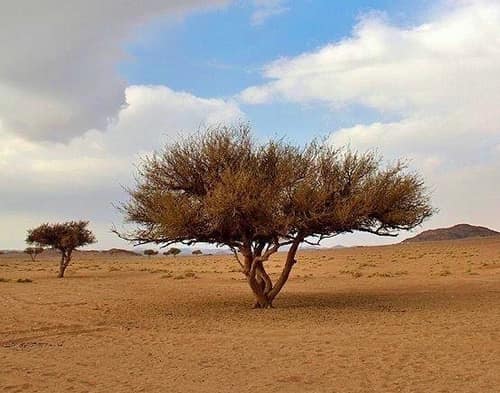
Savanna Companion (c) Rabah Al-Shammary, some rights reserved (CC BY), uploaded by Rabah Al-Shammary · cc-by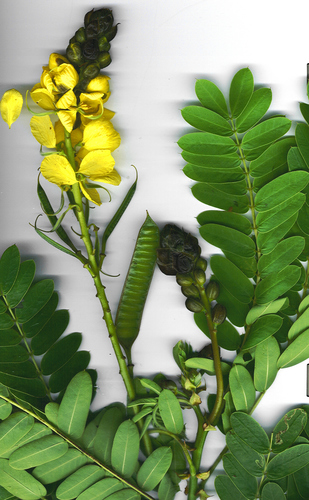
Close Relative (c) Forest and Kim Starr, some rights reserved (CC BY) · cc-by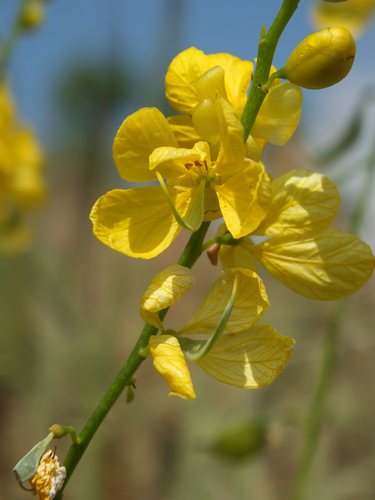
Close Relative (c) Siddarth Machado, some rights reserved (CC BY), uploaded by Siddarth Machado · cc-by
Help improve the field guideSomething wrong?
Checking your Fauna account…Report a name, category, or profile issue for review.