Also known as Emperor's Candlesticks, Candle Bush, Ringworm Shrub, Christmas Candles
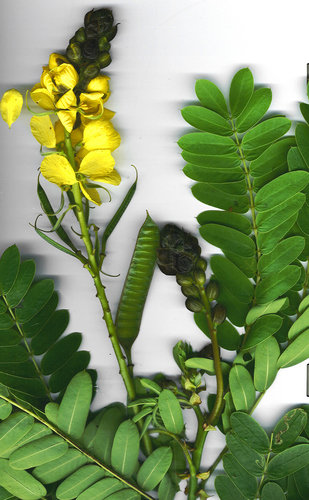
Candelabra bush commands attention in tropical landscapes with thick, upright spikes of bright golden buds that open gradually from base to tip like glowing wax tapers. Large compound leaves with rounded oblong leaflets fold inward together as darkness falls, an adaptation that conserves moisture throughout humid nights. Long prized in traditional herbal medicine for its antifungal properties against ringworm, it readily colonizes wet clearings and roadsides across the tropics.
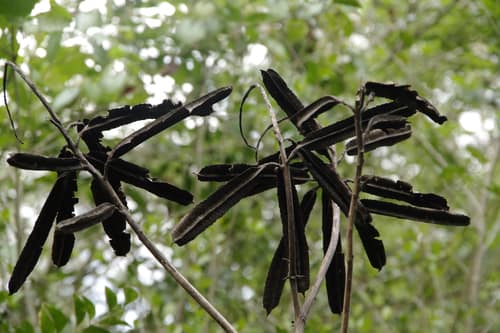
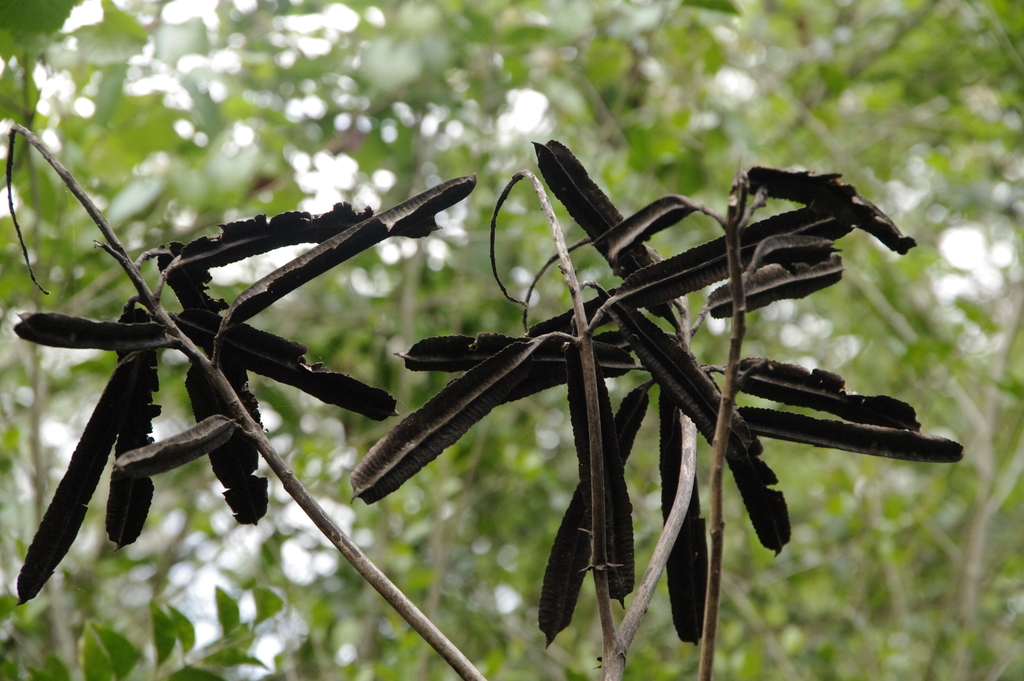
Leaves and seeds contain purgative anthraquinones; toxic to humans and domestic pets if ingested.
Why it is dangerous
Tissues contain anthraquinone derivatives such as rhein and chrysophanol, which induce severe gastrointestinal distress, severe cramping, and purgative diarrhea if swallowed.
How to recognize a risky encounter
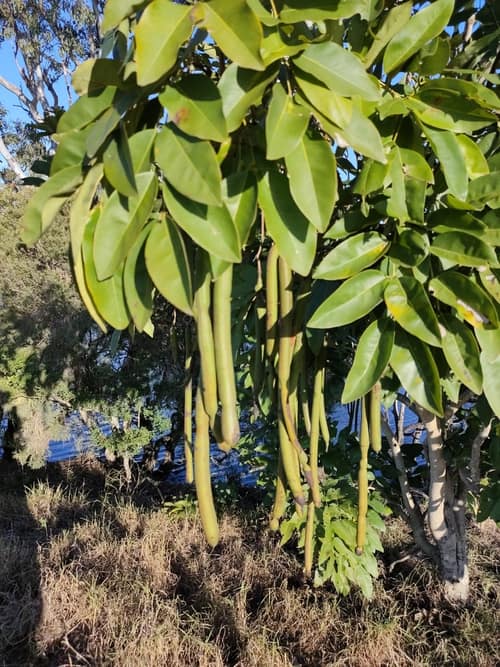
Recognized by tall, erect yellow candle-shaped flower racemes and huge pinnate leaves composed of 8 to 14 pairs of rounded leaflets.
What to do
Do not ingest any plant parts or allow grazing pets access, and wash hands thoroughly after handling crushed foliage.
Responsible observation
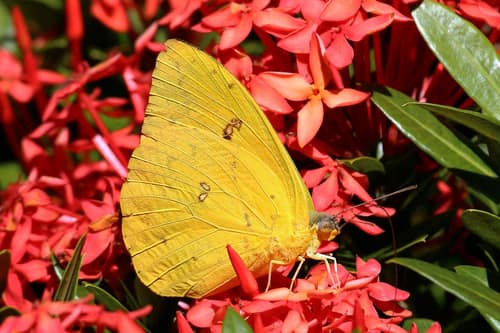
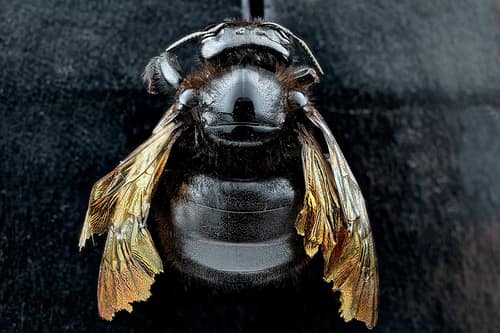
Observation Timing: Visit at midday when bright yellow blooms are fully revealed and pollinating bees are active.
Foliage Behavior: Check branches at dusk to watch the broad leaflets fold closed for the night.
Pruning Care: Wear gardening gloves when trimming back vigorous growth to avoid plant sap on sensitive skin.