
Plant · GBIF taxon 295470600
Chili Pepper
Capsicum annuumAlso known as Bell Pepper, Cayenne Pepper, Jalapeño, Chiltepin
Chili peppers produce flowers and glossy berries ranging widely in heat, shape, and color as a defense mechanism against mammalian herbivores. Birds lack the capsaicin receptor sensitive to their pungency, allowing them to consume the fruits unharmed and disperse the seeds over long distances. While ancestral wild forms persist in arid scrublands as woody perennials, thousands of cultivars now thrive across global agricultural systems.
FloweringCultivatedWarm-Season
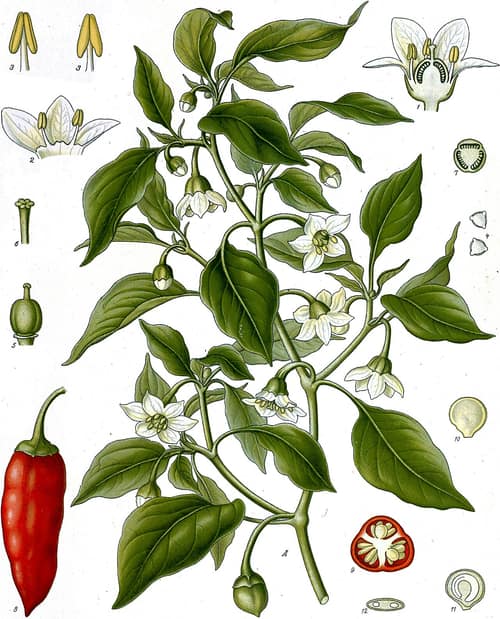
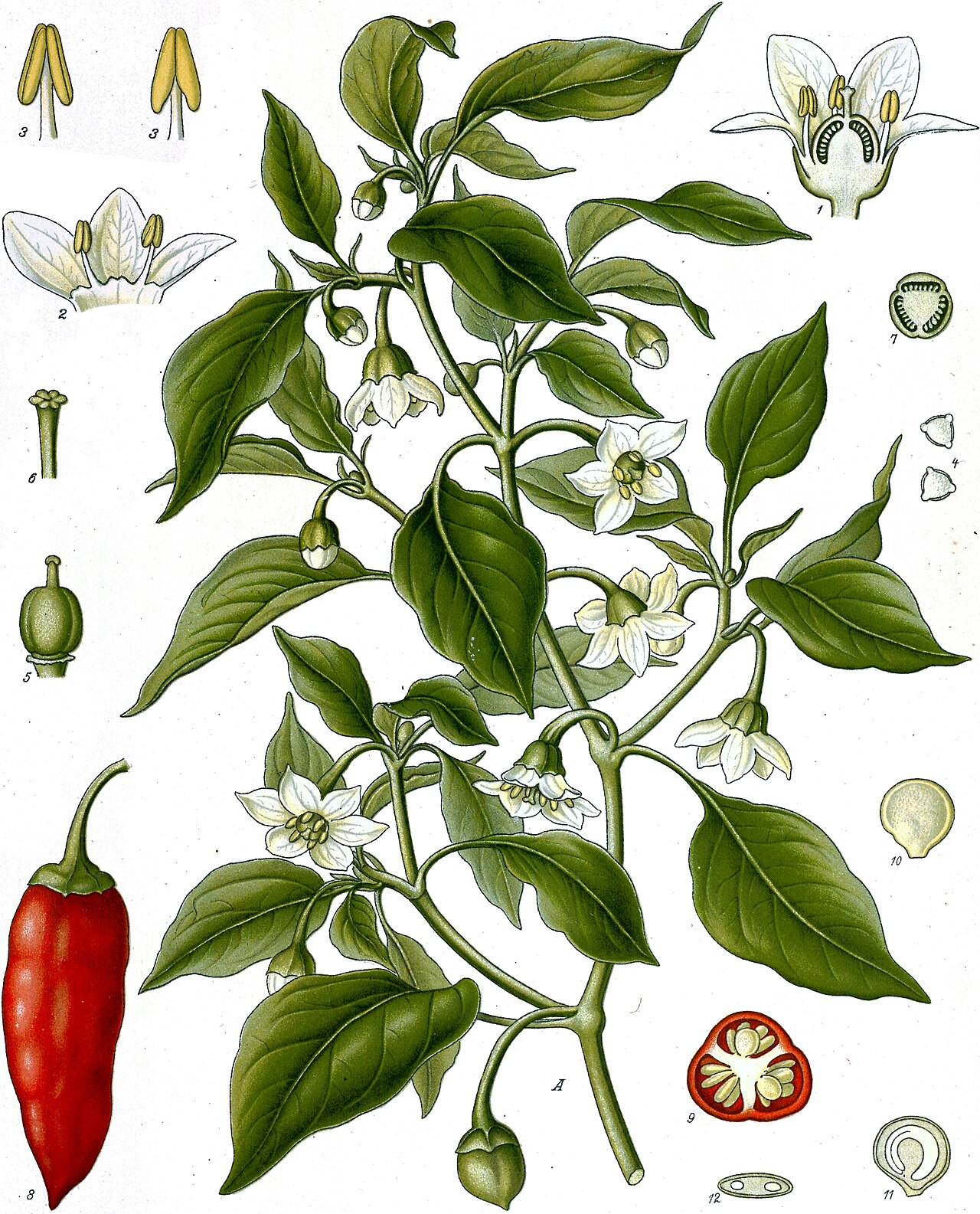
—observations
—countries
—peak records
Least ConcernConservation statusIUCN Red List categoriesLCNTVUENCREWEXLeast ConcernRed List categories, explained →
Diet & prey
- Autotroph (photosynthetic)
Predators
- Tomato hornworm
- Pepper weevil
- Spider mites
ThreatsFungal blights, viral mosaics, and habitat loss in wild populations
HabitatsArid scrub, tropical deciduous forests, disturbed habitats, and cultivated fields
Life span1–5 years (annual in freezing climates, perennial in tropics)
Size / weightNot available
Classification
- OrderSolanales
- FamilySolanaceae
- GenusCapsicum
- SpeciesCapsicum annuum
Range data is not available yet.
Interaction riskHigh
- Low
- Moderate
- High
- Very high
- Why interaction risk is high
- Capsaicin irritates skin and eyes, and wild berries have toxic look-alikes; foliage is toxic to pets.
- Why it is dangerous
- Capsaicin in the fruit causes intense burning of mucous membranes, and leaves contain toxic solanine alkaloids that cause vomiting in pets.
- How to recognize a risky encounter
- Look for glossy white star-shaped flowers and erect or nodding pods on smooth, branching green stems.
- What to do
- Do not touch eyes or face after contact with crushed fruit, and wash hands thoroughly with soap and water.
Responsible observation
- Hand Protection: Wear gloves when handling broken fruits to avoid burning skin or eyes.
- Pet Safety: Keep foliage and fruits away from dogs and cats due to toxic solanine and severe irritation.
- Pollinator Watching: Look for bumblebees buzz-pollinating the downward-facing white blossoms.
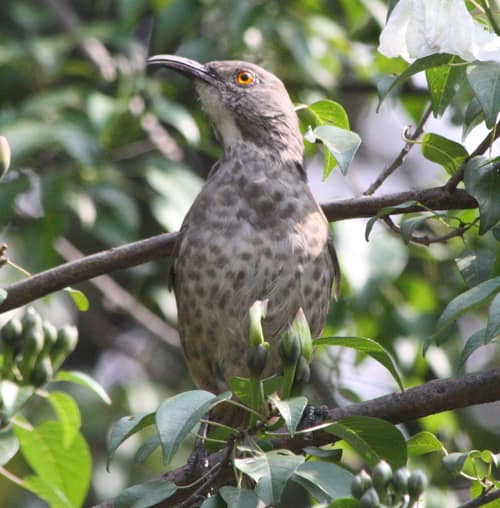
Seed Disperser no rights reserved · cc0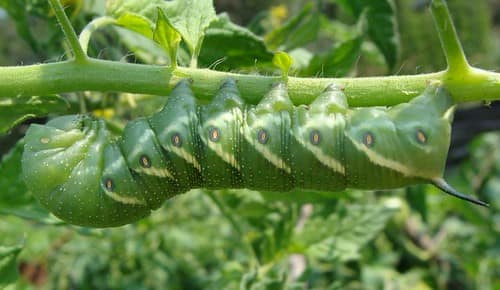
Herbivore "Tomato Hornworm" by Hillbraith is marked with Public Domain Mark 1.0. To view the terms, visit https://creativecommons.org/publicdomain/mark/1.0/. · cc0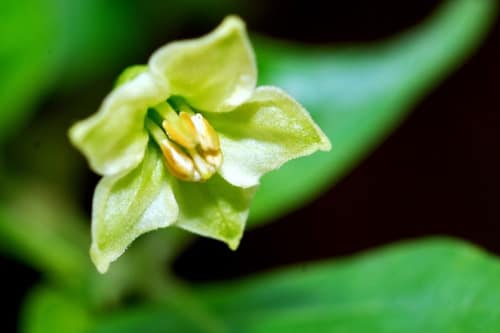
Close Relative (c) Dhruvaraj S, some rights reserved (CC BY) · cc-by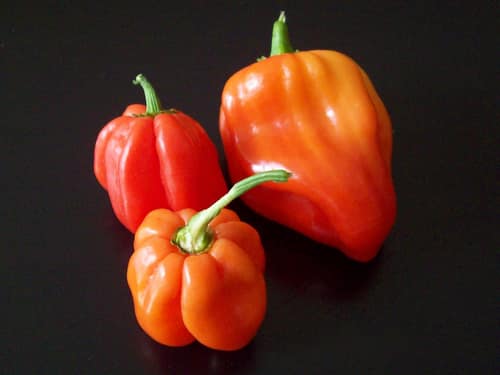
Close Relative (c) Eric Bronson, some rights reserved (CC BY) · cc-by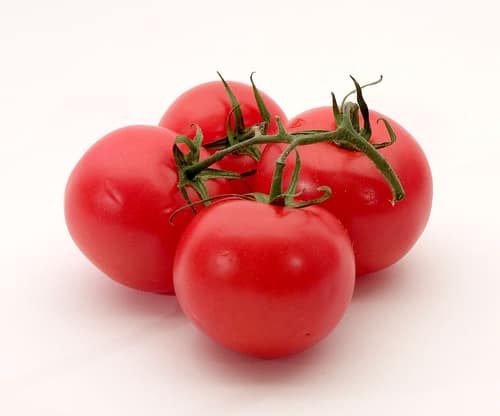
Family Member Softeis / CC BY-SA 3.0 · cc-by-sa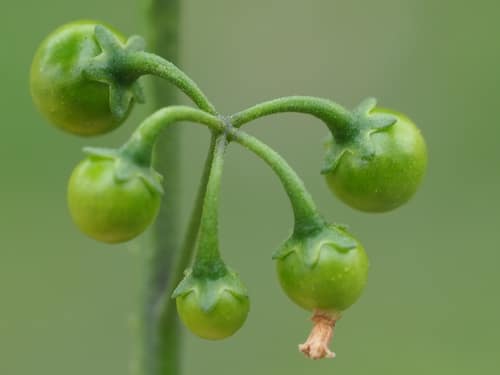
Toxic Relative no rights reserved, uploaded by 葉子 · cc0
Help improve the field guideSomething wrong?
Checking your Fauna account…Report a name, category, or profile issue for review.