
Plant
Hyacinth Bean
Lablab purpureusAlso known as Lablab Bean, Bonavist Bean, Egyptian Kidney Bean, Indian Bean
Hyacinth bean is a vigorous, climbing legume renowned for its dramatic purple-tinted foliage, fragrant pinkish-purple blossoms, and vivid magenta seed pods. Deep taproots allow it to thrive in drought-prone tropical soils while fixing atmospheric nitrogen that enriches depleted ground. Widely cultivated across Africa and Asia for thousands of years as forage and traditional food, it often escapes gardens to scramble over fences and forest margins.
ClimbingNitrogen-fixingFlowering
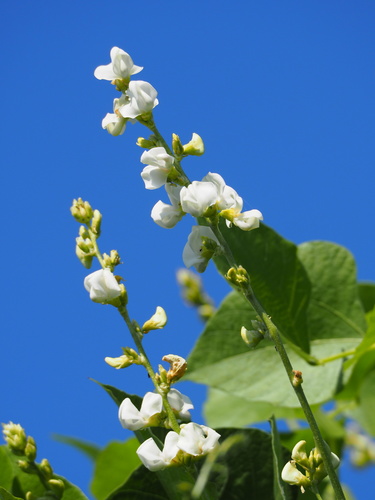
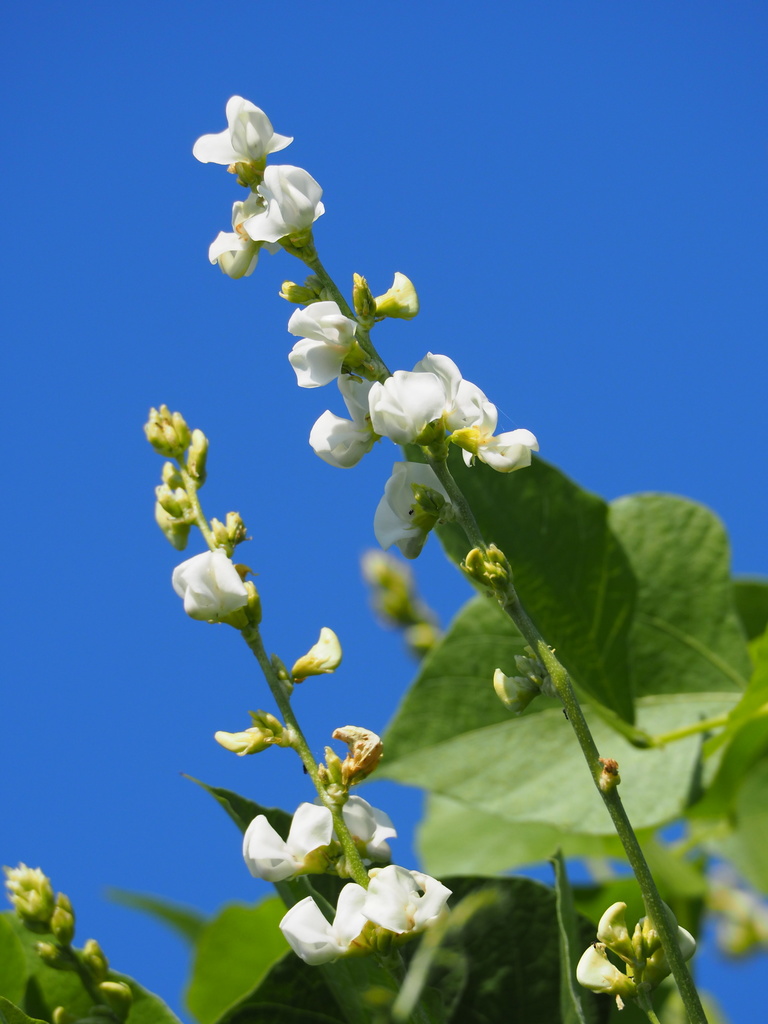
—observations
—countries
—peak records
Least ConcernConservation statusIUCN Red List categoriesLCNTVUENCREWEXLeast ConcernRed List categories, explained →
Diet & preyAutotrophic (photosynthetic)
Predators
- Bean pod borer
- Aphids
- Root-knot nematode
ThreatsHabitat loss in native range; frost intolerance in temperate zones
HabitatsTropical grasslands, open woodlands, disturbed soils, and agricultural margins
Life span1–3 years (annual in temperate zones, short-lived perennial in tropics)
Classification
- OrderFabales
- FamilyFabaceae
- GenusLablab
- SpeciesLablab purpureus
Range data is not available yet.
Interaction riskHigh
- Low
- Moderate
- High
- Very high
- Why interaction risk is high
- Raw seeds contain toxic cyanogenic glycosides; do not ingest without thorough boiling.
- Why it is dangerous
- Mature raw seeds contain cyanogenic glycosides that release toxic hydrogen cyanide when chewed, causing vomiting, dizziness, and respiratory distress.
- How to recognize a risky encounter
- Recognize by twining purplish stems, trifoliate leaves, and flat, glossy, reddish-purple seed pods with white-rimmed seeds.
- What to do
- Never consume raw pods or dry beans; observe flowers and foliage safely without ingesting any plant parts.
Responsible observation
- Garden Trellising: Provide a sturdy arbor or fence early, as mature vines carry substantial weight.
- Pollinator Watching: Look for large carpenter bees and butterflies visiting the nectar-rich flowers in sunny weather.
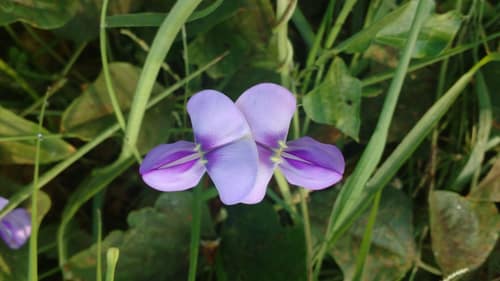
Same Family no rights reserved, uploaded by S.MORE · cc0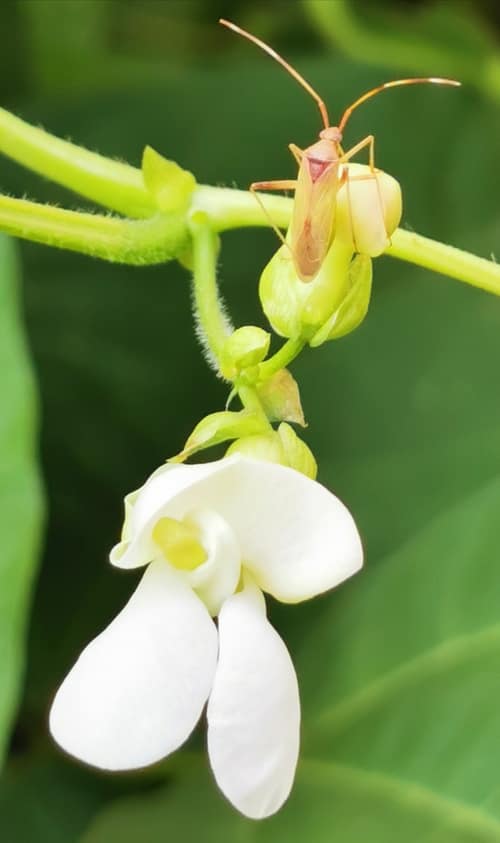
Same Family (c) M. Socorro González Elizondo, some rights reserved (CC BY-SA), uploaded by M. Socorro González Elizondo · cc-by-sa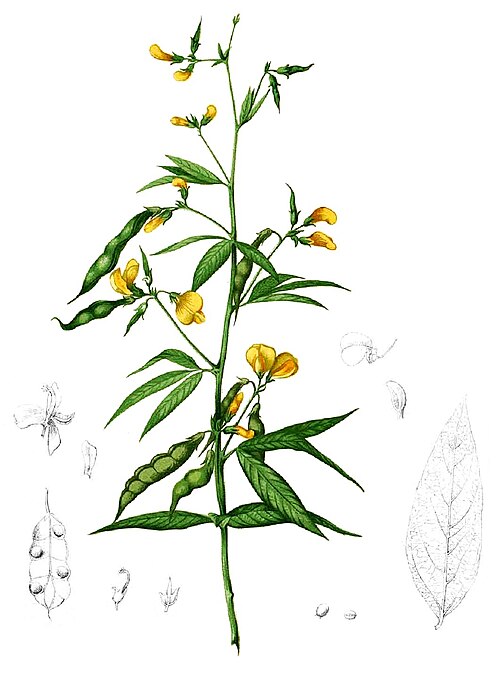
Same Family Francisco Manuel Blanco (O.S.A.) / Public domain · cc0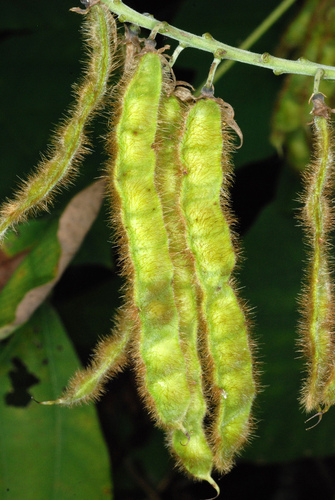
Same Family (c) Douglas Goldman, some rights reserved (CC BY-SA), uploaded by Douglas Goldman · cc-by-sa
Help improve the field guideSomething wrong?
Checking your Fauna account…Report a name, category, or profile issue for review.