
Plant · GBIF taxon 2951984
Gorse
Ulex europaeusAlso known as Common Gorse, Furze, Whin
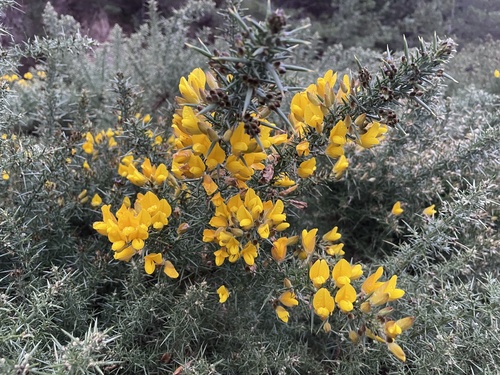
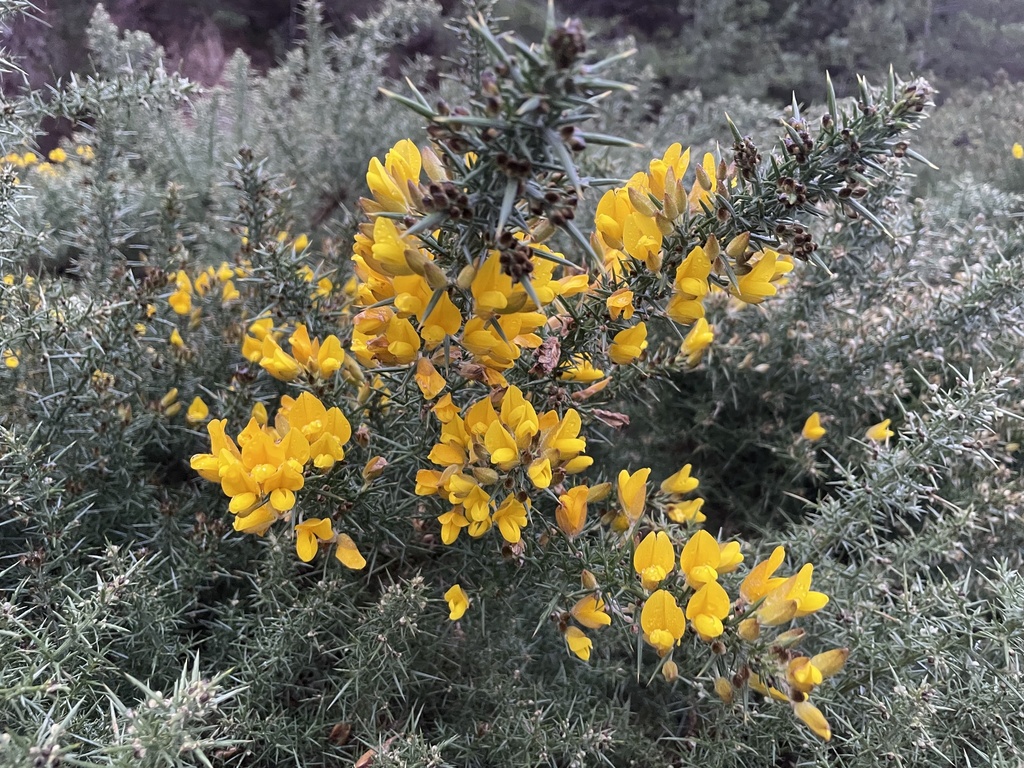
Common gorse forms dense, impenetrable evergreen thickets cloaked in fragrant yellow blooms that exude a distinct scent of coconut and vanilla. Its mature leaves are reduced to sharp, grooved green spines, an adaptation that minimizes water loss while repelling heavy grazing by herbivores. The plant fixes atmospheric nitrogen into poor soils, and its dry, oil-rich branches ignite easily, fueling cycles of fire that crack open seed pods to regenerate the stand.
ThornyFloweringNitrogen-fixing
—observations
—countries
—peak records
Least ConcernConservation statusIUCN Red List categoriesLCNTVUENCREWEXLeast ConcernRed List categories, explained →
Diet & prey
- Photosynthesis (Autotroph)
Predators
- Gorse Seed Weevil
- Gorse Spider Mite
- European Rabbit
ThreatsHerbicide clearing, biocontrol weevils, and habitat development
HabitatsHeathlands, coastal bluffs, open pastures, and disturbed roadsides
Life span15–30 years
Classification
- FamilyFabaceae
- SpeciesUlex europaeus
Range data is not available yet.
Interaction riskLow
- Low
- Moderate
- High
- Very high
- Why interaction risk is low
- Safe to observe at a normal distance, though stiff spines can scratch bare skin.
Responsible observation
- Scent: Lean close to open blossoms on sunny afternoons to catch their distinct coconut scent.
- Footwear: Wear sturdy boots and thick trousers when walking near stands to avoid spine punctures.
- Sound: Listen on hot summer days for the faint snapping of seed pods bursting open.
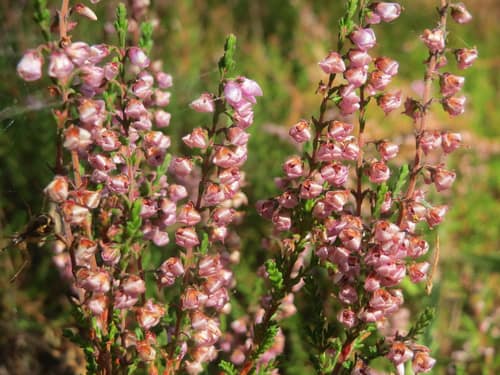
Frequent Companion (c) Andreas Rockstein, some rights reserved (CC BY-SA) · cc-by-sa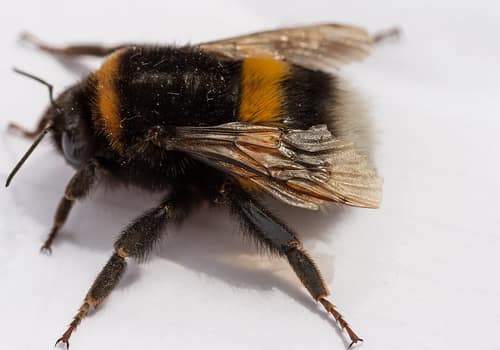
Pollinator Marco Almbauer / CC0 · cc0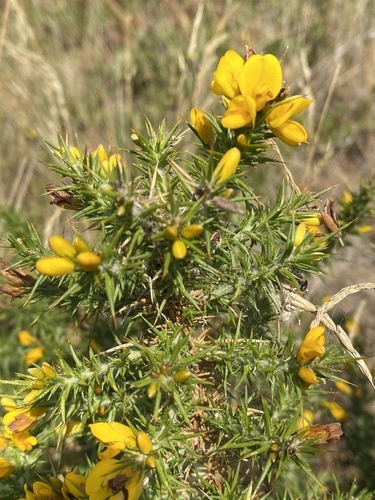
Close Relative (c) Terry Instone, some rights reserved (CC BY) · cc-by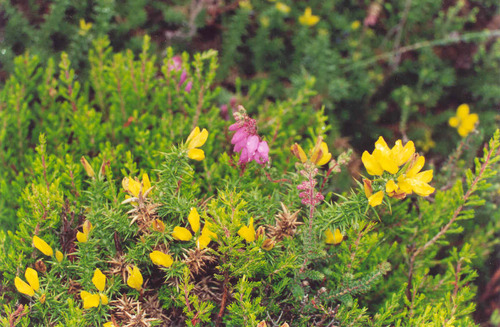
Close Relative (c) zebedeugalinha, some rights reserved (CC BY) · cc-by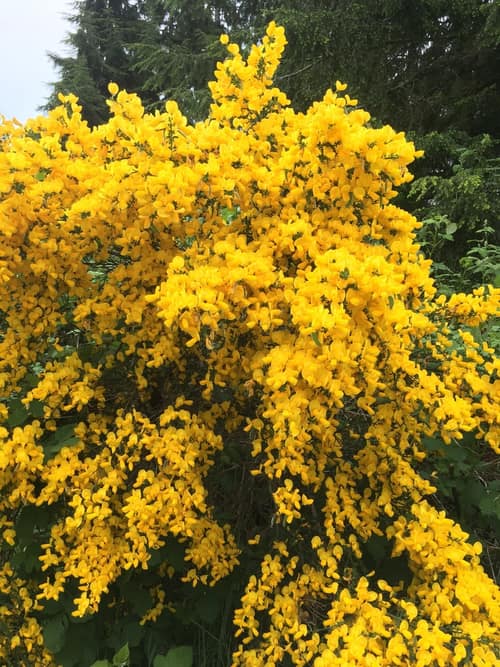
Same Family (c) Jonathan Eyestone, some rights reserved (CC BY), uploaded by Jonathan Eyestone · cc-by
Help improve the field guideSomething wrong?
Checking your Fauna account…Report a name, category, or profile issue for review.