
Plant · GBIF taxon 2943190
Siberian Peashrub
Caragana arborescensAlso known as Siberian Pea-Tree, Caragana, Pea Tree, Siberian Pea Bush
Siberian peashrub is a rugged, multi-stemmed deciduous shrub widely planted across northern plains for shelterbelts and soil conservation. Bright yellow, pea-like blossoms open in late spring, giving way to narrow pods that burst open with a distinct popping sound to fling seeds several meters. Root nodules containing symbiotic bacteria allow it to fix atmospheric nitrogen and flourish in barren soils, though it frequently escapes cultivation to crowd out native plant species.
Cold HardyFloweringNitrogen Fixer
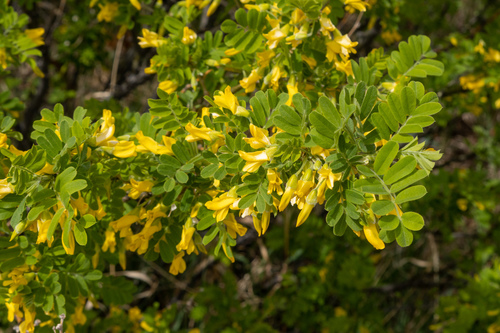
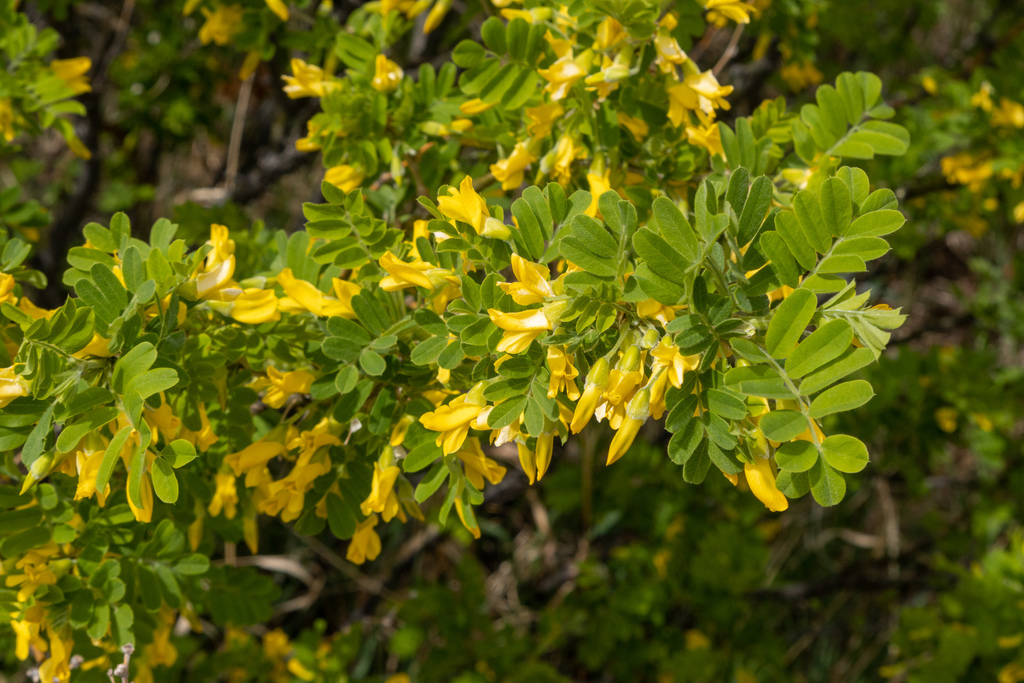 1 / 7
1 / 7—observations
—countries
—peak records
Least ConcernConservation statusIUCN Red List categoriesLCNTVUENCREWEXLeast ConcernRed List categories, explained →
Diet & prey
- Sunlight
- Water
- Carbon Dioxide
Predators
- Grasshoppers
- Browsing Deer
- Blister Beetles
ThreatsInvasive species control initiatives in non-native ranges
HabitatsBoreal forest margins, grasslands, shelterbelts, roadsides, disturbed ground
Life span40–100 years
Size / weightNot available
Classification
- OrderFabales
- FamilyFabaceae
- GenusCaragana
- SpeciesCaragana arborescens
Range data is not available yet.
Interaction riskLow
- Low
- Moderate
- High
- Very high
- Why interaction risk is low
- Wild pods and seeds have toxic look-alikes; never eat wild plants based on app identification alone.
Responsible observation
- Identification: Look for yellow pea-like spring flowers and pinnately compound leaves with 8 to 12 small leaflets.
- Pruning: Trim windbreak plantings in early summer right after flowering to prevent seed pod formation.
- Observation: Listen near mature shrubs on warm midsummer days to hear seed pods snapping open.
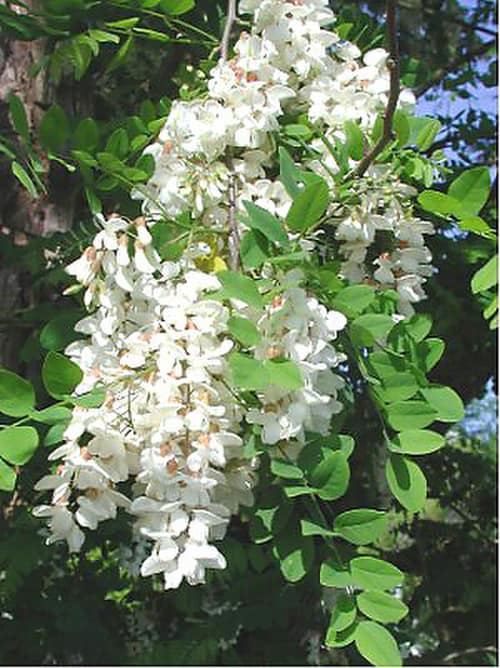
Fabaceae Kin Pollinator at English Wikipedia / CC BY-SA 3.0 · cc-by-sa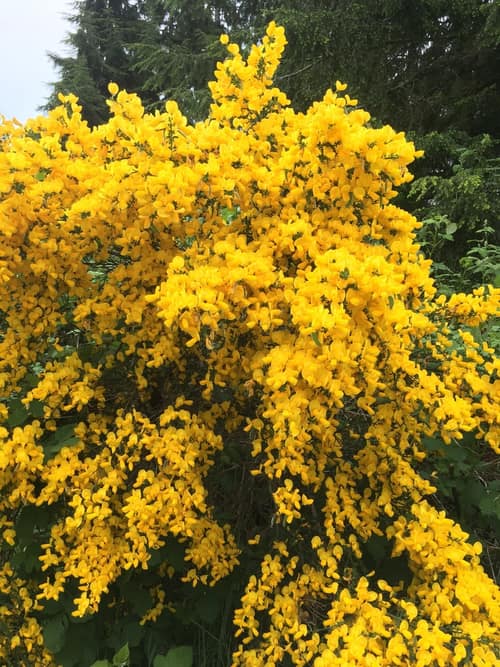
Ecological Competitor (c) Jonathan Eyestone, some rights reserved (CC BY), uploaded by Jonathan Eyestone · cc-by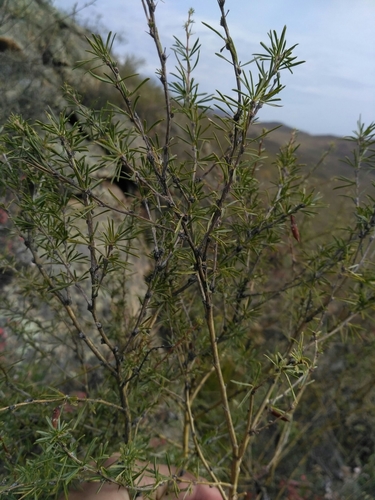
Close Relative (c) Natalya Ivanova, some rights reserved (CC BY), uploaded by Natalya Ivanova · cc-by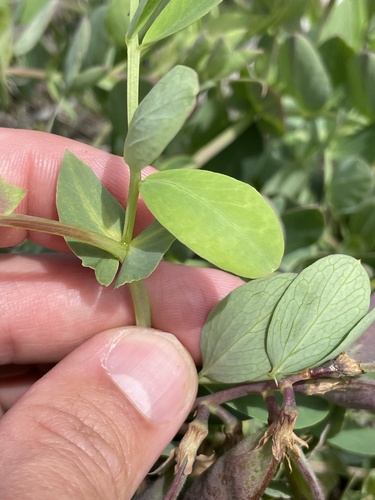
Family Relative no rights reserved, uploaded by Tom Erler · cc0
Help improve the field guideSomething wrong?
Checking your Fauna account…Report a name, category, or profile issue for review.