Also known as Large Kangaroo Apple, Poroporo, Bullibulli
Kangaroo-apple is a fast-growing, soft-wooded shrub distinguished by rich violet flowers with flared corollas and prominent bright yellow stamens. Deeply lobed, dark green leaves strongly resemble the three-toed footprint of a kangaroo, giving rise to its common name. Thriving as a vigorous pioneer after bushfires or soil disturbance, it plays a vital role in rapidly stabilizing open soils and sheltering native understory seedlings.
ThreatsVegetation clearing, competition from invasive environmental weeds
HabitatsCoastal scrub, wet forest margins, creek banks, disturbed gullies
Life span5–10 years
Classification
FamilySolanaceae
SpeciesSolanum laciniatum
Range & activity
Range data is not available yet.
Safe observation
Interaction riskHigh
Low
Moderate
High
Very high
Why interaction risk is high
Contains toxic glycoalkaloids; wild berries have toxic look-alikes and should never be eaten based on app identification.
Why it is dangerous
Tissues and unripe fruits contain toxic steroidal glycoalkaloids such as solasodine, causing severe nausea, vomiting, abdominal pain, and cardiac irregularities if consumed.
How to recognize a risky encounter
Recognized by dark green, deeply lobed kangaroo-track foliage, deep violet-blue flowers with yellow centers, and pendulous oval berries.
What to do
Do not ingest any part of the plant, wash hands after heavy handling, and prevent grazing pets or livestock from browsing the foliage.
Responsible observation
Observation: Appreciate the vibrant purple blossoms and lush foliage along sunny forest margins.
Safety: Keep pruning debris and berries away from pets and livestock due to alkaloid content.
Cultivation: Plant in full sun or light shade to attract native pollinators and shelter birds.

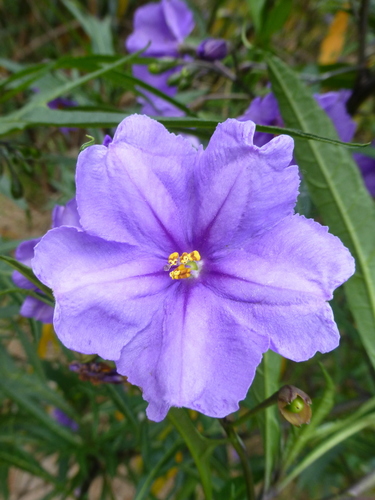
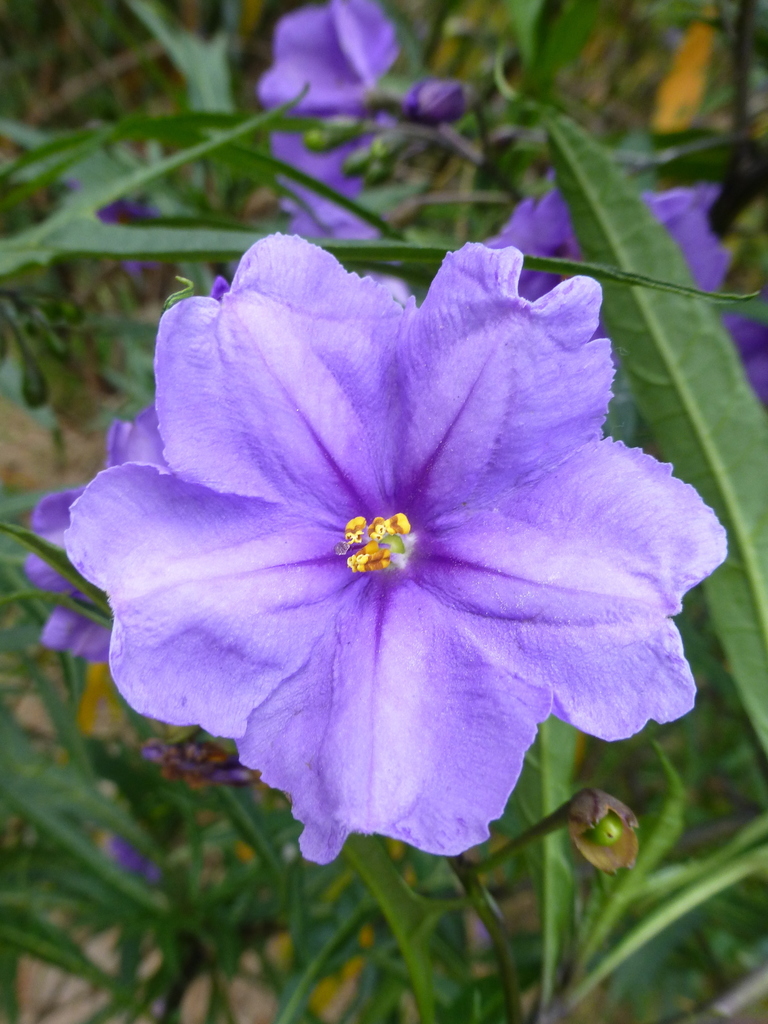
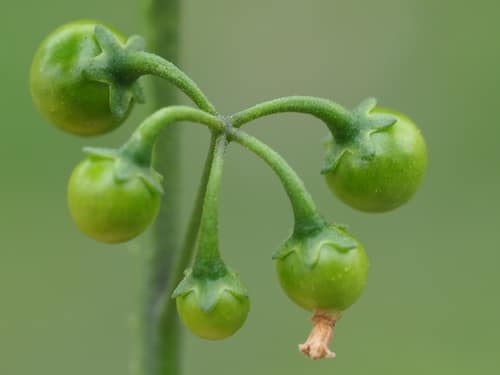
 Image unavailable