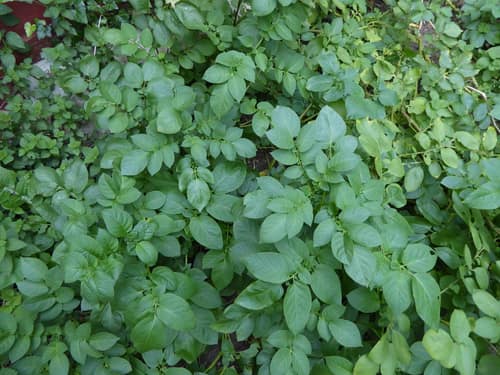
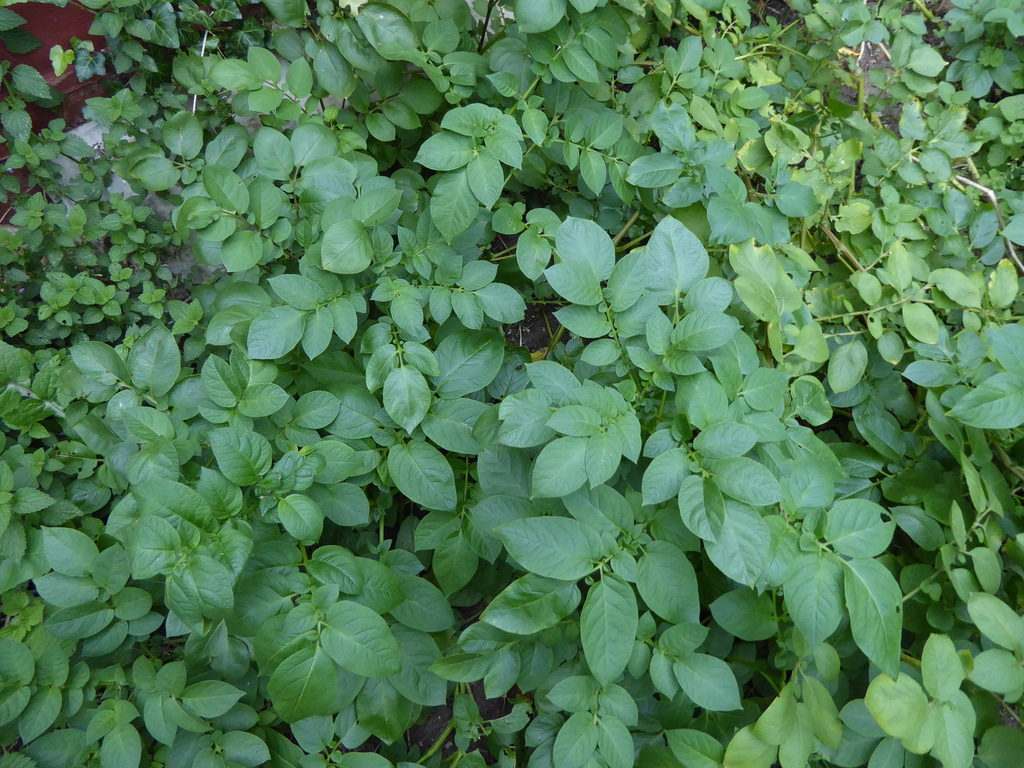
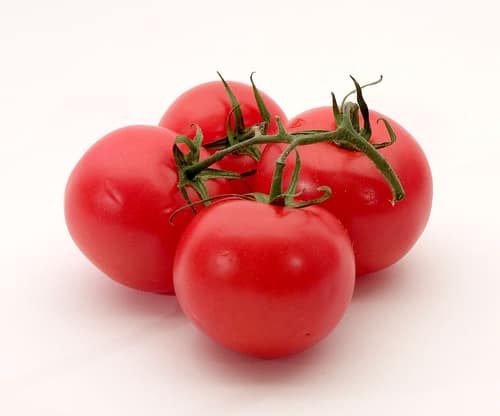
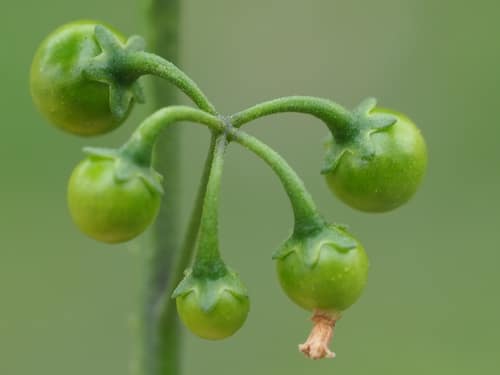
Potatoes grow as bushy herbaceous perennials, producing star-shaped white, pink, or purple flowers followed by small green berries that superficially resemble cherry tomatoes. Beneath the soil, swollen underground stems known as tubers store starch to help the plant survive harsh winters and regenerate in the spring. Originating in the high Andes, this nightshade relative transformed global agriculture following its spread across Europe and remains one of the world's most critical staple crops.
Not EvaluatedConservation statusIUCN Red List categoriesLCNTVUENCREWEXNot Evaluated — not placed on the risk ladderRed List categories, explained →
Key facts
Diet & preyAutotroph (photosynthesis)
Predators
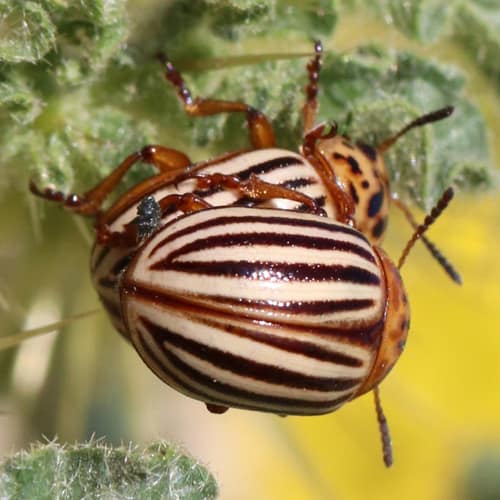
Colorado Potato Beetle
Wireworm
Potato Tuber Moth
ThreatsLate blight pathogen, Colorado potato beetle infestations, and climate extremes
HabitatsCultivated fields, gardens, montane grasslands, and Andean valleys
Life spanPerennial (cultivated as an annual crop)
Classification
OrderSolanales
FamilySolanaceae
GenusSolanum
SpeciesSolanum tuberosum
Range & activity
Range data is not available yet.
Safe observation
Interaction riskModerate
Low
Moderate
High
Very high
Why interaction risk is moderate
Foliage, sprouts, and green-skinned tubers contain toxic solanine; never ingest green tissues.
Why it is dangerous
Leaves, stems, unripe fruit, and sun-exposed green tubers contain toxic steroidal glycoalkaloids like solanine and chaconine, causing vomiting, abdominal cramps, diarrhea, and neurological issues.
How to recognize a risky encounter
Recognize danger signs by looking for green discoloration beneath the tuber peel, sprouting eyes, or small green tomato-like seed pods on mature vines.
What to do
Trim away any localized green patches generously before cooking, discard heavily greened tubers entirely, and keep raw garden trimmings away from dogs and livestock.
Responsible observation
Garden Scouting: Check the undersides of leaves for clusters of bright orange beetle eggs.
Safe Handling: Discard green-tinged tubers and never consume the above-ground berries.
Storage Precaution: Keep harvested tubers in cool, dark spots to prevent toxic greening.