
Plant · GBIF taxon 2929847
Ethiopian Eggplant
Solanum aethiopicumAlso known as Bitter Tomato, Nakati, Garden Eggs, Pumpkin-on-a-stick
Domesticated in tropical Africa from wild relatives, this branching nightshade produces clusters of ribbed fruits that turn from pale green to brilliant scarlet as they mature. Cultivated extensively across sub-Saharan Africa and parts of South Asia, the plant thrives in warm climates as a resilient agricultural crop. The sturdy shrubs tolerate periodic dry spells and attract diverse generalist pollinators to their starry white and pale purple blossoms.
CultivatedFruitingHeat-Tolerant
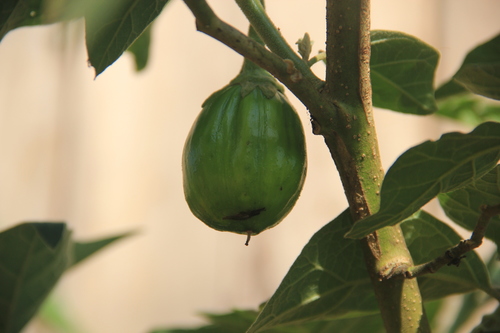
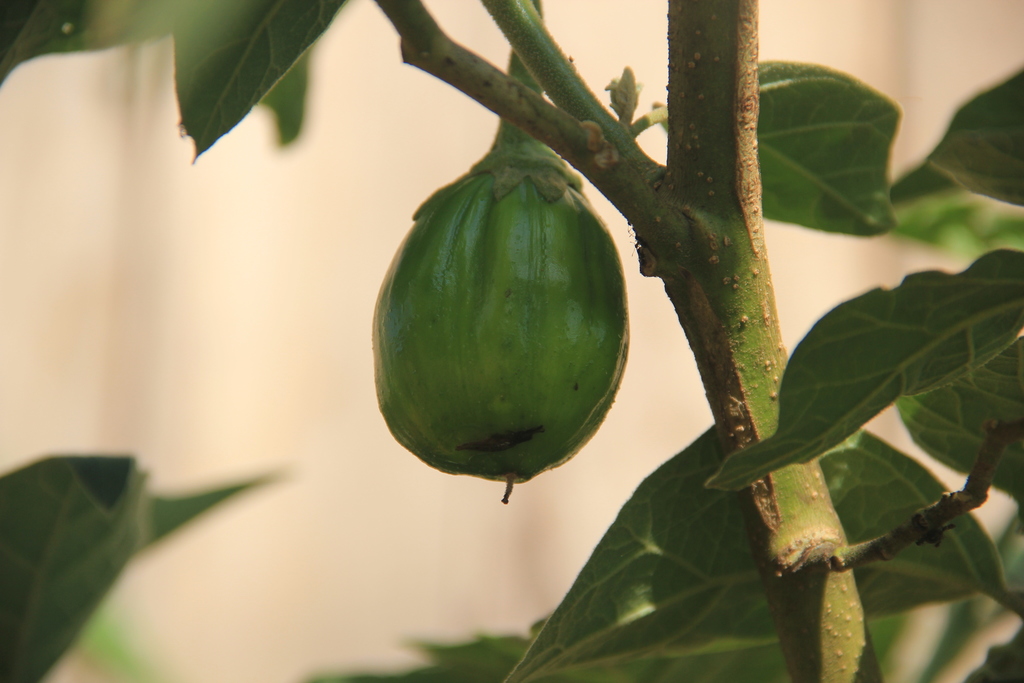
Licensed reference(c) Steven Bodzin, some rights reserved (CC BY) · cc-by
—observations
—countries
—peak records
Not EvaluatedConservation statusIUCN Red List categoriesLCNTVUENCREWEXNot Evaluated — not placed on the risk ladderRed List categories, explained →
Diet & prey
- Autotrophic (photosynthetic)
Predators
- Two-spotted spider mite
- Cotton aphid
- Flea beetle
ThreatsFungal blights, viral infections, and root-knot nematodes
HabitatsCultivated fields, home gardens, disturbed tropical scrub
Life span1–2 years (typically grown as an annual)
Size / weightNot available
Classification
- OrderSolanales
- FamilySolanaceae
- GenusSolanum
- SpeciesSolanum aethiopicum
Range data is not available yet.
Interaction riskHigh
- Low
- Moderate
- High
- Very high
- Why interaction risk is high
- Wild berries have toxic look-alikes; foliage and unripe fruit are toxic to dogs and cats.
- Why it is dangerous
- Unripe fruits and foliage contain solanine, a glycoalkaloid that triggers gastrointestinal upset and lethargy in domestic pets.
- How to recognize a risky encounter
- Look for lobed solanaceous leaves, star-shaped white-to-violet blooms, and glossy, pumpkin-like ribbed fruits.
- What to do
- Keep domestic pets away from the foliage and wash hands after handling bruised or broken stems.
Responsible observation
- Cultivation: Provide well-draining soil and a position that receives full daily sunlight.
- Pest Scouting: Inspect the undersides of broad leaves regularly for signs of sap-feeding insects.
- Observation: Watch the ribbed fruits transition from pale green to bright orange-red over the season.
 Image unavailable
Ancestor 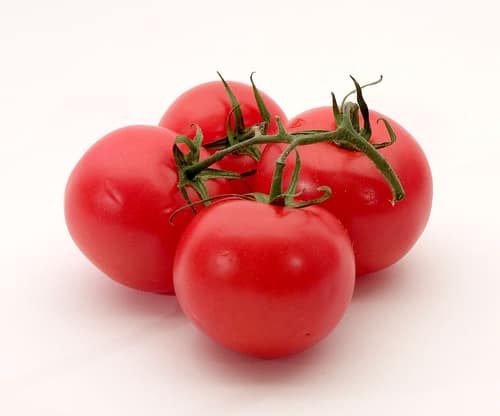
Same Genus Softeis / CC BY-SA 3.0 · cc-by-sa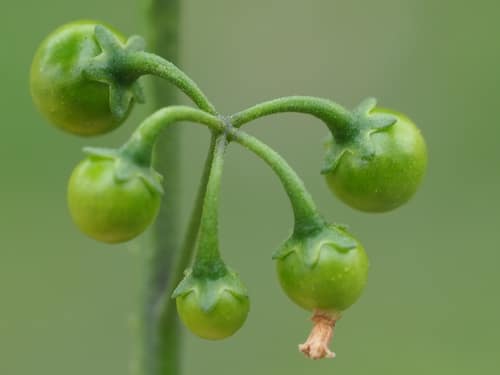
Look-alike no rights reserved, uploaded by 葉子 · cc0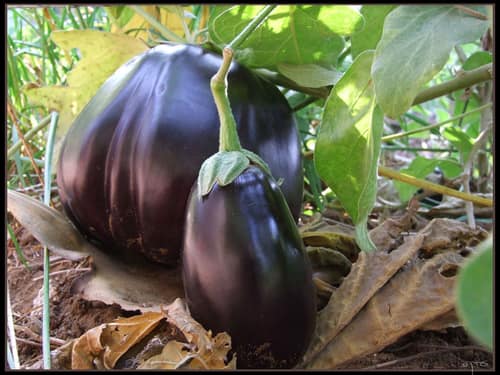
Close Relative (c) Eran Finkle, some rights reserved (CC BY) · cc-by
Help improve the field guideSomething wrong?
Checking your Fauna account…Report a name, category, or profile issue for review.