
Plant · GBIF taxon 2928859
Garden Petunia
Petunia atkinsianaAlso known as Common Petunia, Hybrid Petunia
Garden petunias produce continuous masses of trumpet-shaped blooms in virtually every color from late spring until the first winter frost. Their soft leaves and stems are covered in fine, sticky hairs that secrete a resin to discourage crawling pests. Widely grown in hanging baskets, borders, and flower beds, these popular ornamentals attract bees, butterflies, and hummingbirds with their sweet nectar.
FloweringCultivatedFragrant
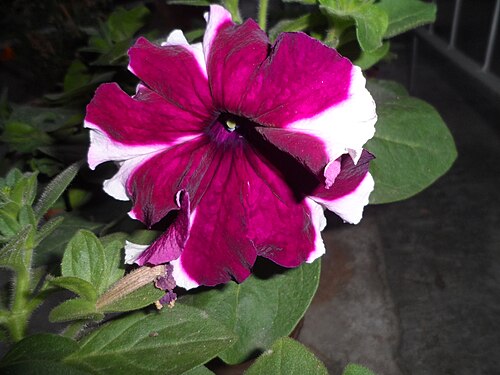
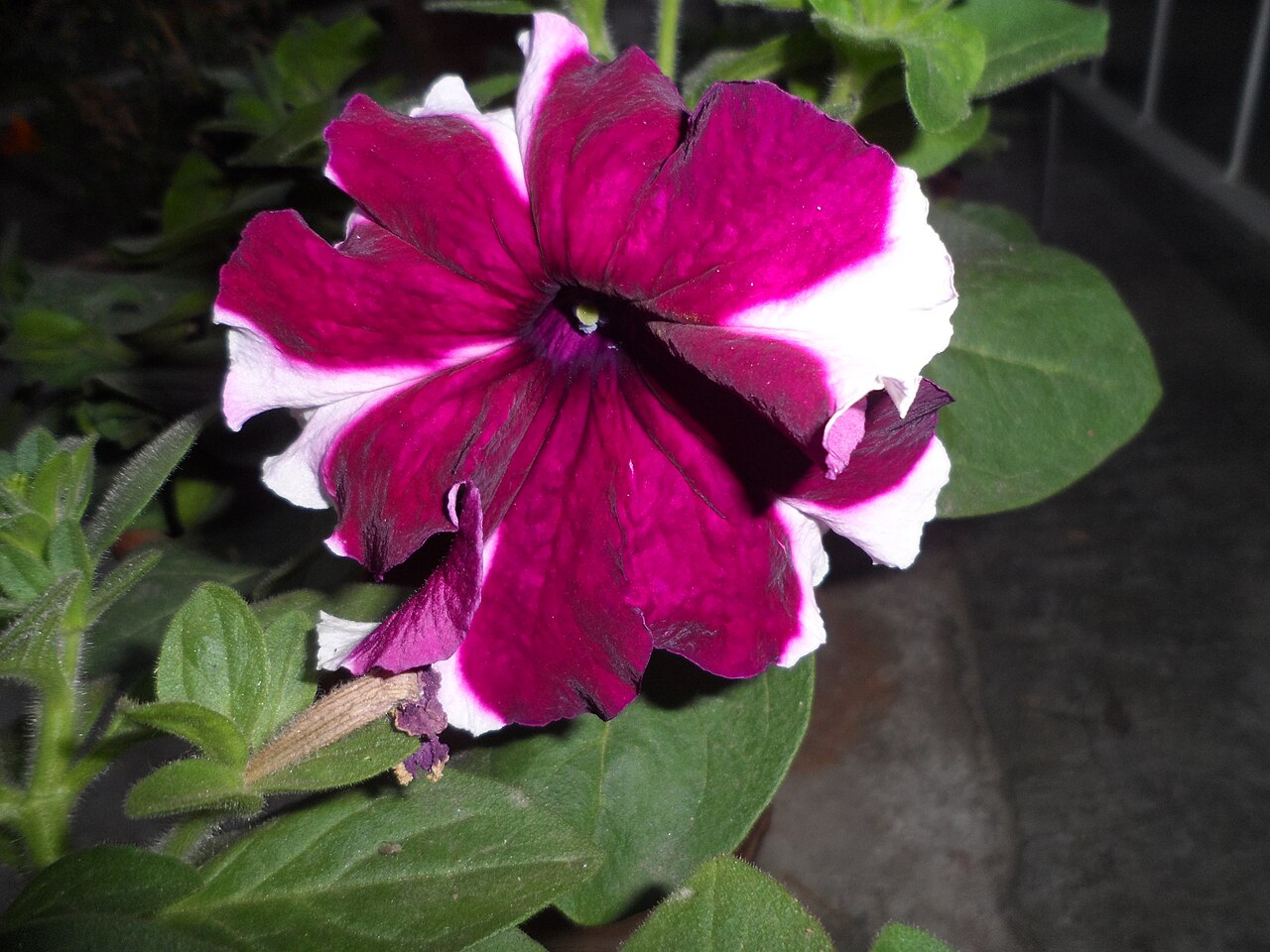
Licensed referenceRocksmoker 007 / CC BY-SA 3.0 · cc-by-sa
—observations
—countries
—peak records
Not EvaluatedConservation statusIUCN Red List categoriesLCNTVUENCREWEXNot Evaluated — not placed on the risk ladderRed List categories, explained →
Diet & prey
- Autotrophic (Photosynthesis)
Predators
- Slugs and Snails
- Aphids
- Caterpillars
ThreatsSlugs, snails, aphids, gray mold, heavy frost
HabitatsGardens, urban landscapes, cultivated beds, planters
Life spanAnnual (perennial in frost-free regions)
Size / weightNot available
Classification
- OrderSolanales
- FamilySolanaceae
- GenusPetunia
- SpeciesPetunia atkinsiana
Range data is not available yet.
Interaction riskLow
- Low
- Moderate
- High
- Very high
- Why interaction risk is low
- Safe to observe at a normal distance.
Responsible observation
- Deadheading: Snip spent flowers regularly to encourage continuous blooms throughout summer.
- Sunlight: Position in full sun for at least six hours daily to maximize flower production.
- Watering: Irrigate at the base to keep foliage dry and prevent fungal mildew.
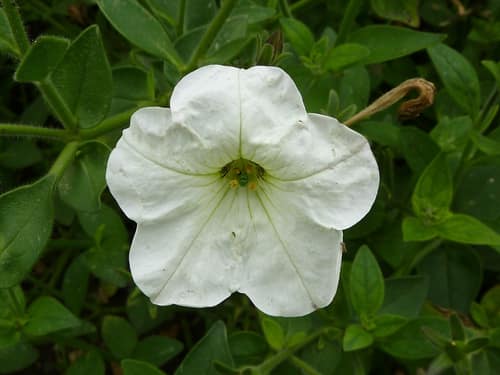
Parent Species Magnus Manske / CC BY-SA 3.0 · cc-by-sa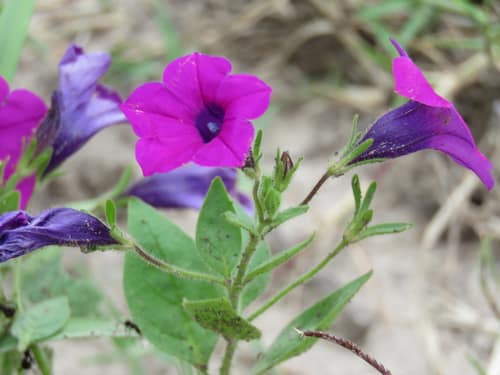
Parent Species (c) Patricio Cowper Coles, some rights reserved (CC BY), uploaded by Patricio Cowper Coles · cc-by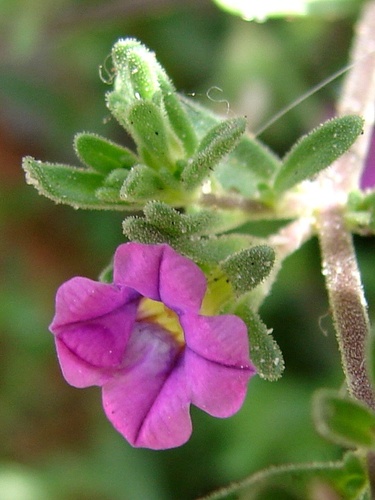
Look-alike (c) L'herbier en photos, some rights reserved (CC BY) · cc-by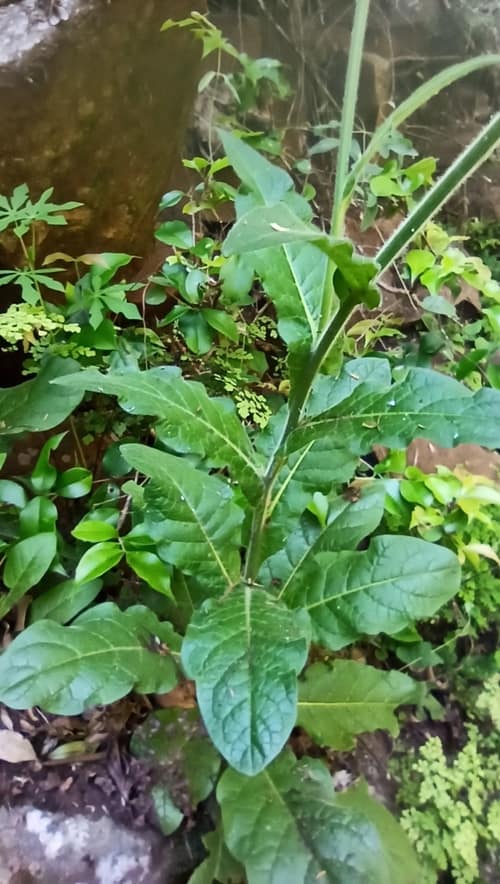
Nightshade Relative (c) Rafael Tosi, some rights reserved (CC BY), uploaded by Rafael Tosi · cc-by
Help improve the field guideSomething wrong?
Checking your Fauna account…Report a name, category, or profile issue for review.