
Plant · GBIF taxon 2928598
Oceanblue Morning Glory
Ipomoea indicaAlso known as Blue Morning Glory, Blue Dawn Flower, Koali Awa, Lear's Morning Glory
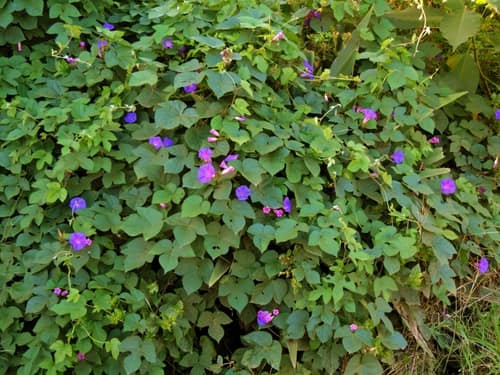
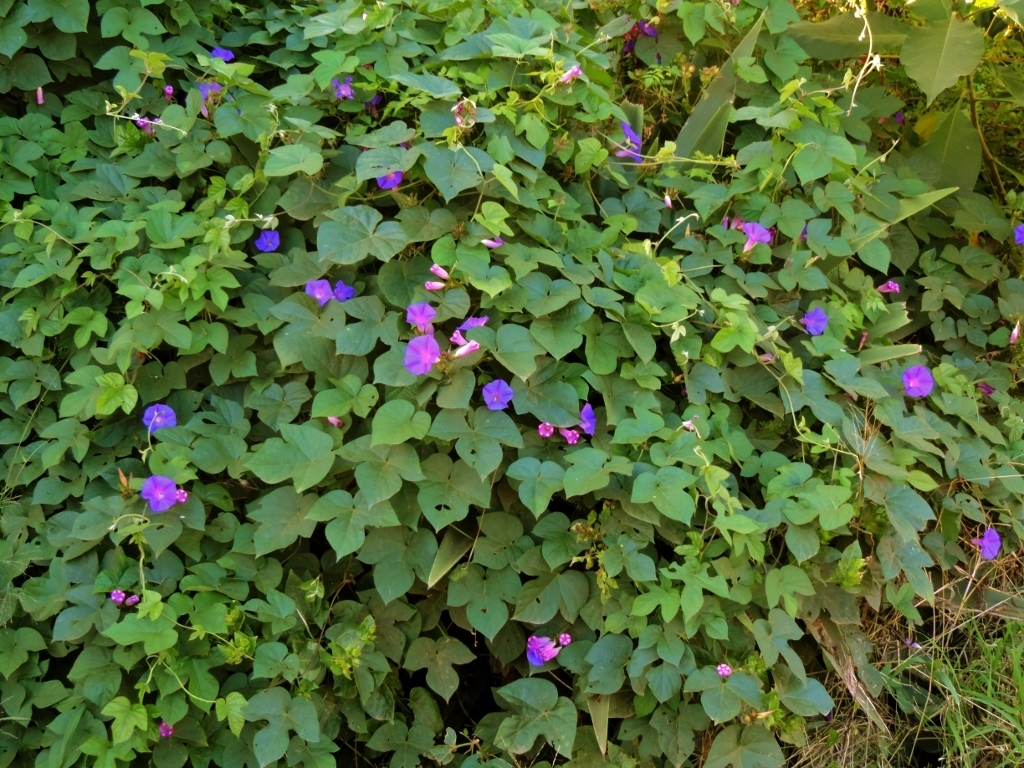
Oceanblue morning glory weaves dense, tangled mats over fences and trees, bursting into vivid blue trumpet blooms that shift to pinkish-purple before closing in the afternoon sun. Native to tropical regions worldwide, this vigorous perennial vine reproduces primarily through creeping stolons and stem fragments, allowing it to smother competing vegetation rapidly. Its stunning blooms attract bees and butterflies throughout its long flowering season from spring through autumn.
Climbing VineVivid BloomsFast Growing
 1 / 7
1 / 7—observations
—countries
—peak records
Not EvaluatedConservation statusIUCN Red List categoriesLCNTVUENCREWEXNot Evaluated — not placed on the risk ladderRed List categories, explained →
Diet & prey
- Photosynthetic (sunlight, soil nutrients, water)
Predators
- Tortoise beetles
- Aphids
- Spider mites
ThreatsHerbicide application, manual clearing, frost
HabitatsCoastal scrub, forest edges, riparian corridors, disturbed soils, urban gardens
Life spanPerennial (5–10+ years in frost-free climates)
Size / weightNot available
Classification
- OrderSolanales
- FamilyConvolvulaceae
- GenusIpomoea
- SpeciesIpomoea indica
Range data is not available yet.
Interaction riskHigh
- Low
- Moderate
- High
- Very high
- Why interaction risk is high
- Seeds and plant tissues contain indole alkaloids; do not ingest and keep away from curious pets.
- Why it is dangerous
- Contains ergoline alkaloids like ergine, which cause intense nausea, vomiting, muscle weakness, and hallucinations if swallowed.
- How to recognize a risky encounter
- Recognized by its intense blue funnel-shaped flowers and heart-shaped or three-lobed leaves along twining stems.
- What to do
- Do not consume any part of the plant or seeds, and clear fallen seed pods from areas accessible to pets.
Responsible observation
- Morning Viewing: Visit early in the day when flowers open wide in their brilliant intense blue phase.
- Color Shift Tracking: Observe the same flower in late afternoon to watch it turn reddish-purple as it closes.
- Vine Management: Wear gloves when pruning thick growth to prevent contact with plant juices.
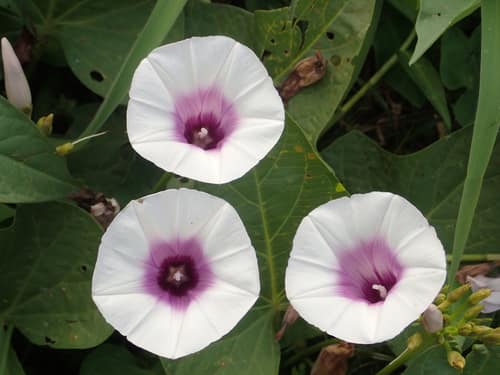
Close Relative no rights reserved, uploaded by 葉子 · cc0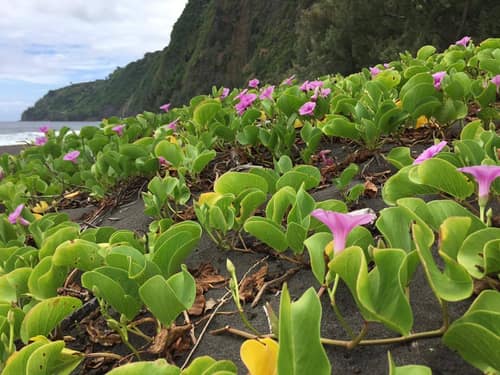
Close Relative (c) David George, some rights reserved (CC BY), uploaded by David George · cc-by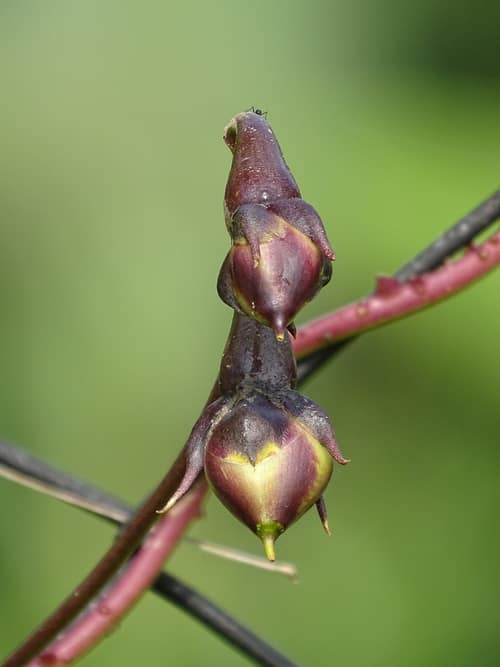
Close Relative no rights reserved, uploaded by 葉子 · cc0
Help improve the field guideSomething wrong?
Checking your Fauna account…Report a name, category, or profile issue for review.