
Flower
White Morning-glory
Ipomoea lacunosaAlso known as Whitestar, Pitted Morning-glory, Small White Morning-glory
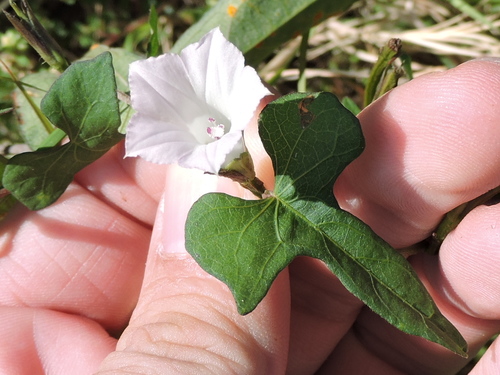
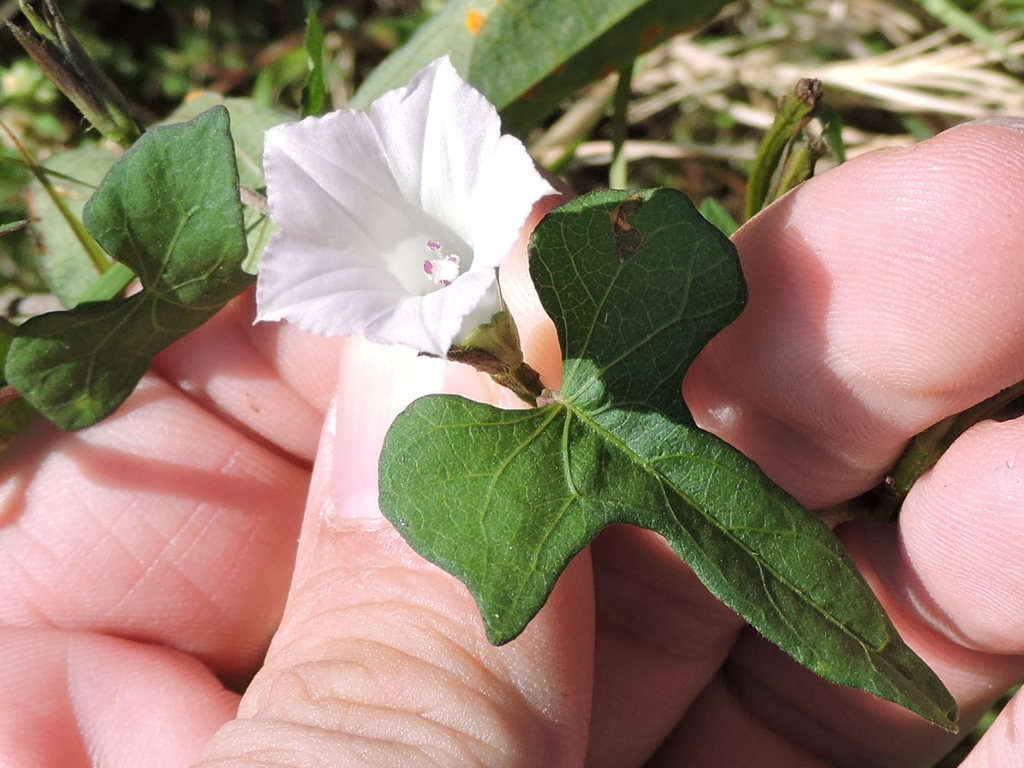
White morning-glory twines rapidly over surrounding vegetation across fields, riverbanks, and disturbed grounds. Small white funnel-shaped blossoms open at dawn and typically collapse by midday, attracting sweat bees and small butterflies for pollination. Smooth heart-shaped or lobed foliage features delicate pitted veins that give this annual vine its distinct botanical name.
VineFloweringAnnual
—observations
—countries
—peak records
Least ConcernConservation statusIUCN Red List categoriesLCNTVUENCREWEXLeast ConcernRed List categories, explained →
Diet & preyAutotrophic
Predators
- Deer
- Tortoise Beetles
- Caterpillars
ThreatsHerbicides, intensive land clearing
HabitatsAgricultural fields, roadsides, riverbanks, disturbed areas
Life span1 year
Classification
- OrderSolanales
- FamilyConvolvulaceae
- GenusIpomoea
- SpeciesIpomoea lacunosa
Range data is not available yet.
Interaction riskHigh
- Low
- Moderate
- High
- Very high
- Why interaction risk is high
- Seeds contain toxic ergoline alkaloids; keep away from pets and never ingest wild plant parts.
- Why it is dangerous
- Seeds contain toxic ergoline alkaloids that cause severe gastrointestinal distress and disorientation if ingested.
- How to recognize a risky encounter
- Identified by smooth twining vines, small heart-shaped leaves, and white flowers under two centimeters wide.
- What to do
- Avoid ingesting any plant parts and wash hands after clearing mature seed pods.
Responsible observation
- Timing visits: Search during early morning hours while the blooms remain open.
- Leaf inspection: Look closely at the leaf undersides to see the fine pitted vein pattern.
- Spotting pollinators: Watch for tiny native sweat bees visiting the petite white funnels.
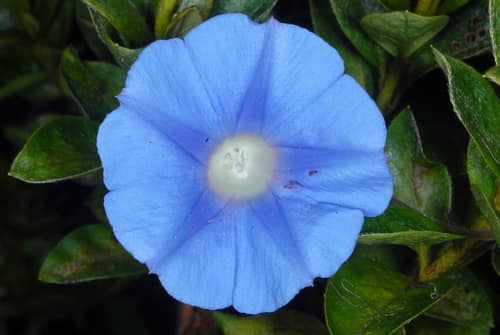
Close Relative (c) Douglas Goldman, some rights reserved (CC BY-SA), uploaded by Douglas Goldman · cc-by-sa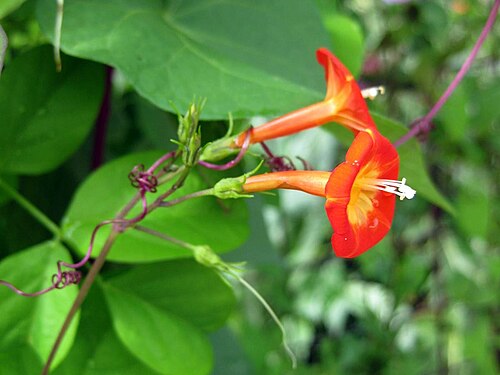
Close Relative Raffi Kojian / CC BY-SA 3.0 · cc-by-sa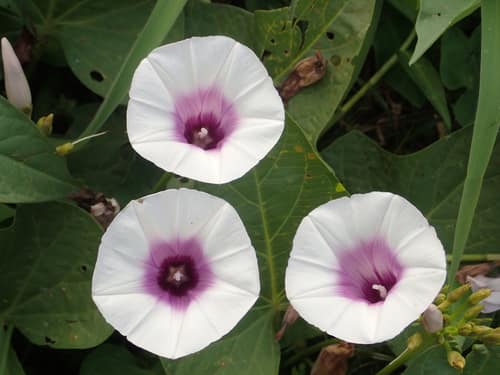
Cultivated Relative no rights reserved, uploaded by 葉子 · cc0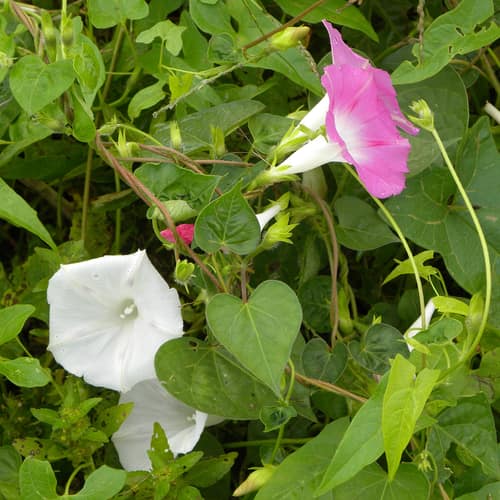
Close Relative (c) M. Whitson, some rights reserved (CC BY), uploaded by M. Whitson · cc-by
Help improve the field guideSomething wrong?
Checking your Fauna account…Report a name, category, or profile issue for review.