
Plant · GBIF taxon 2928576
Common Morning-glory
Ipomoea purpureaAlso known as Tall Morning-Glory, Purple Morning Glory
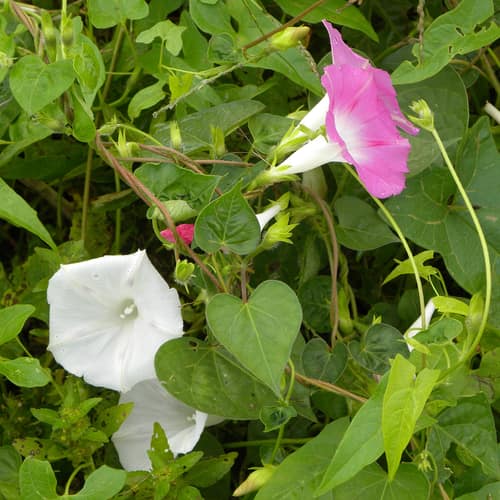
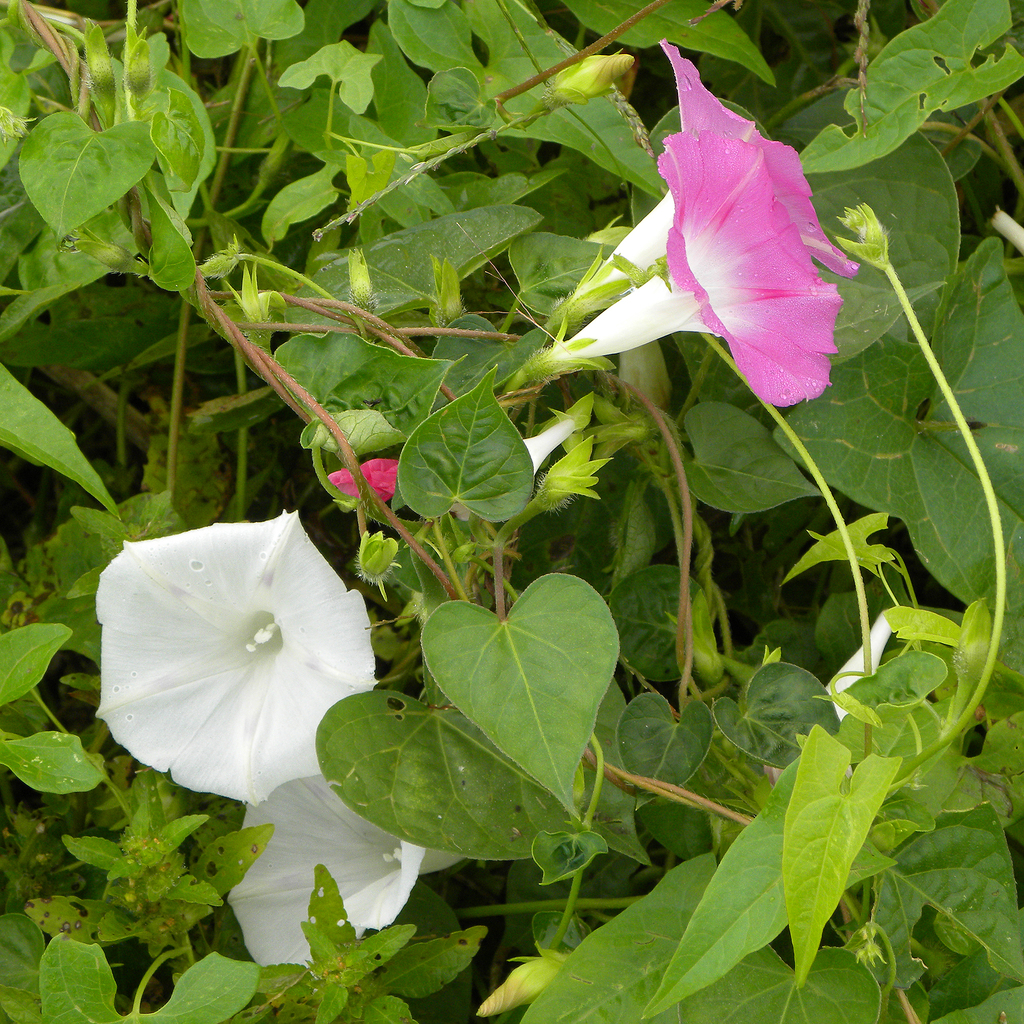
Common morning-glories climb rapidly by twining around nearby vegetation, trellises, or fences using slender, hairy stems. Their prominent funnel-shaped flowers bloom in vibrant shades of purple, magenta, blue, or white, unfurling at dawn and wilting by afternoon. Highly adaptable, this annual vine readily naturalizes in disturbed soils and sunny garden borders worldwide.
VineFloweringAnnual
 1 / 7
1 / 7—observations
—countries
—peak records
Not EvaluatedConservation statusIUCN Red List categoriesLCNTVUENCREWEXNot Evaluated — not placed on the risk ladderRed List categories, explained →
Diet & prey
- Autotrophic (Photosynthetic)
Predators
- Tortoise Beetles
- Caterpillars
- Deer
ThreatsHerbicide applications and land clearing
HabitatsDisturbed soil, roadsides, gardens, agricultural field margins
Life span1 year (annual)
Size / weightNot available
Classification
- OrderSolanales
- FamilyConvolvulaceae
- GenusIpomoea
- SpeciesIpomoea purpurea
Range data is not available yet.
Interaction riskHigh
- Low
- Moderate
- High
- Very high
- Why interaction risk is high
- Seeds contain toxic ergoline alkaloids; keep away from children and pets.
- Why it is dangerous
- Seeds contain ergoline alkaloids such as lysergic acid amide (LSA), causing severe nausea, vomiting, and hallucinations if ingested.
- How to recognize a risky encounter
- Recognized by broad heart-shaped leaves and twining stems bearing funnel-shaped purple or pink blossoms.
- What to do
- Wear garden gloves when clearing dried seed pods and store seeds out of reach of children and pets.
Responsible observation
- Timing visit: Observe blooms in early morning before midday heat causes flowers to close.
- Garden management: Deadhead spent flowers before seed pods mature to prevent aggressive self-seeding.
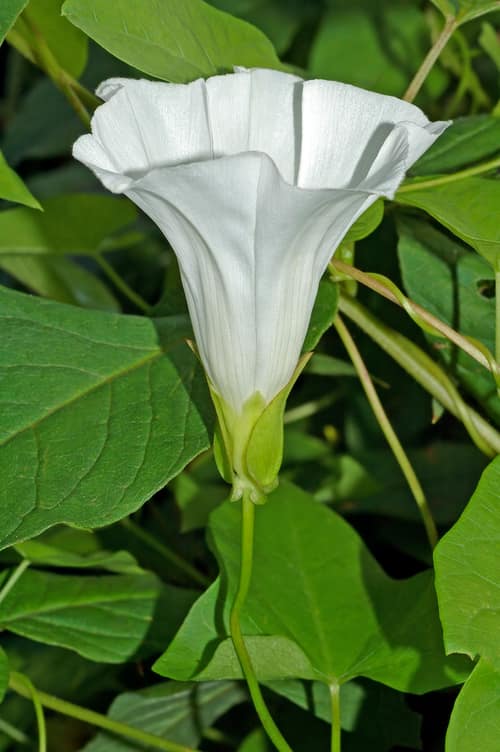
Look-Alike (c) Aka, some rights reserved (CC BY-SA) · cc-by-sa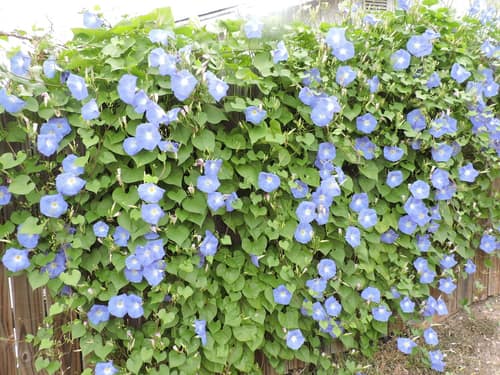
Close Relative (c) Sam Kieschnick, some rights reserved (CC BY), uploaded by Sam Kieschnick · cc-by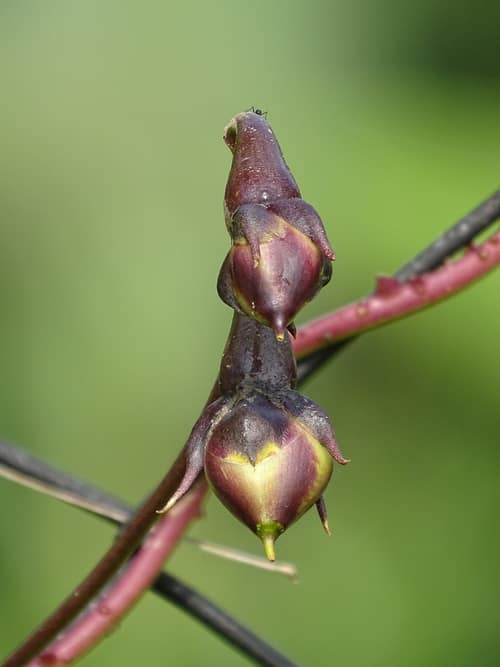
Close Relative no rights reserved, uploaded by 葉子 · cc0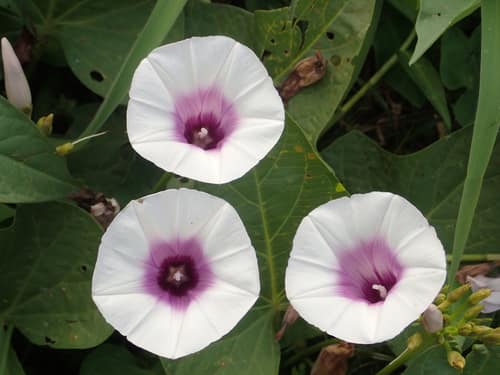
Cultivated Relative no rights reserved, uploaded by 葉子 · cc0
Help improve the field guideSomething wrong?
Checking your Fauna account…Report a name, category, or profile issue for review.